Mentioned:Anduril$5.8B · Government Support
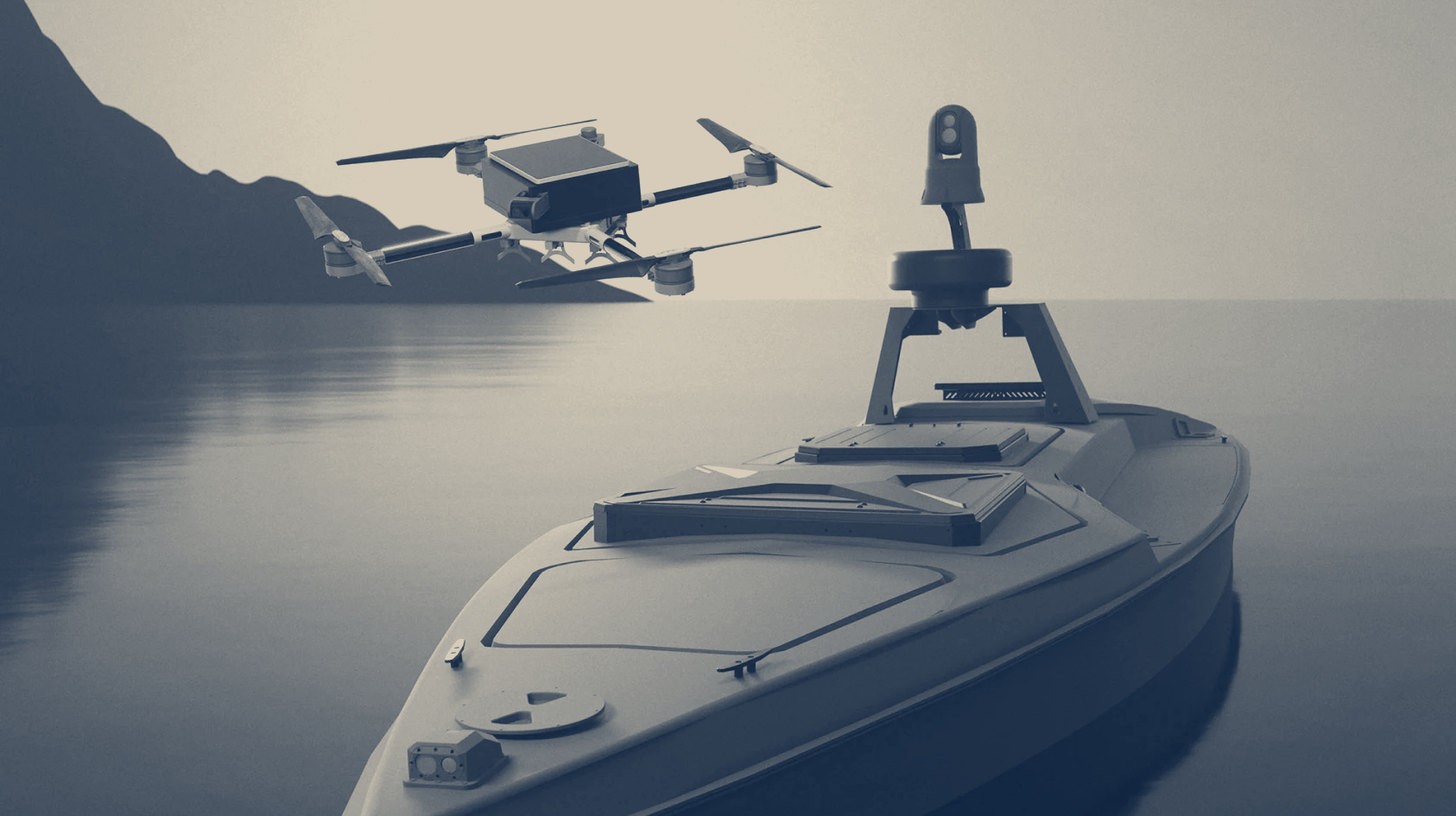
Australia announced a $5.8 billion ten-year investment in autonomous undersea warfare capabilities, including a $1.7 billion acquisition of Ghost Shark platforms. The Australian-designed and built uncrewed underwater vehicles will equip the Royal Australian Navy with integrated payloads for mines, supply delivery and unmanned aerial vehicle deployment.
What's happening
- Australian Government committing $5.8 billion over ten years for autonomous and uncrewed undersea warfare capabilities through the 2026 National Defence Strategy and Integrated Investment Program.
- Australia acquiring $1.7 billion fleet of Ghost Shark platforms, designed and built domestically, with production ramping at a newly opened factory in New South Wales.
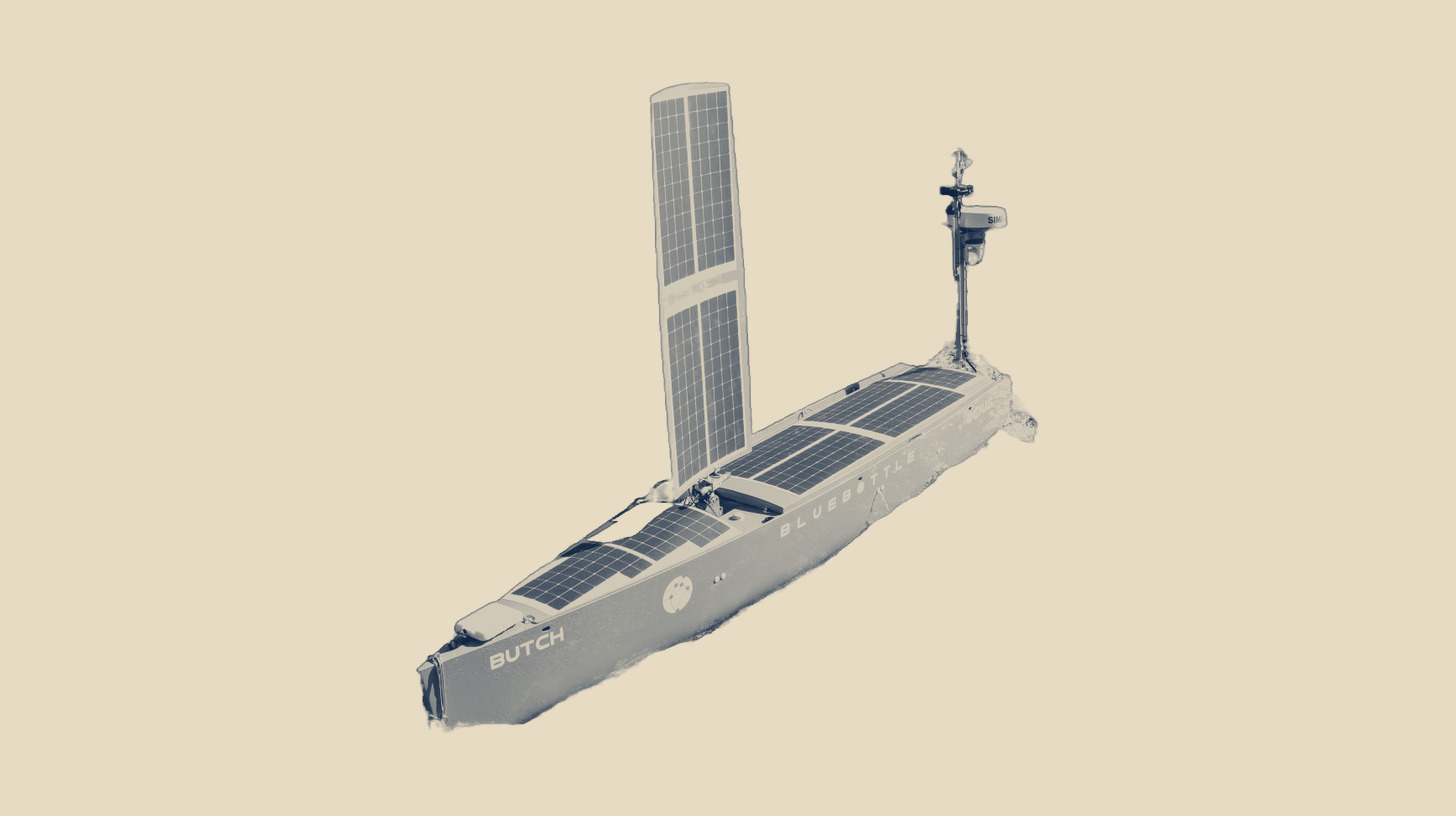
- Ghost Shark, Speartooth and BlueBottle uncrewed underwater vehicles achieved payload integration milestone, demonstrating mines, supply caches and unmanned aerial vehicle deployment at AUKUS Exercise Maritime Big Play Pacific.
- Payload development and integration is collaboration between Royal Australian Navy, Defence Science and Technology Group, Advanced Strategic Capabilities Accelerator and defence industry partners.
Why it matters
- Australia is building sovereign undersea warfare production capacity with domestically designed platforms, reducing reliance on foreign suppliers for critical naval capabilities.
- Ghost Shark's modular design enables mission-customized payloads for intelligence, surveillance, strike and seabed operations, addressing Royal Australian Navy's operational requirements for sea denial and underwater infrastructure protection.
- AUKUS Pillar II collaboration on cutting-edge payloads and enabling systems across three allied nations amplifies undersea warfare capability development and interoperability standards.
- Successful payload integration and operational testing demonstrate transition from development to production deployment, critical for establishing operational undersea autonomous warfare doctrine.
Going deeper
- BlueBottle compact uncrewed surface vehicle designed for compact sensor payloads including thin-line sonar arrays for anti-submarine warfare and seabed surveillance.
- Exercise Maritime Big Play Pacific features live-fire operational vignettes focused on strike operations, contested resupply and undersea warfare, providing AUKUS partners operational testing environment.
- Ghost Shark production is accelerating at factory opened less than one year prior, with platforms described as rolling off production line at increasing rates into Royal Australian Navy inventory.
Financial impact
- Australian Government capital expenditure for $1.7 billion Ghost Shark acquisition will flow to defence contractor over multiple fiscal years as fleet procurement occurs; timing of acquisition expenditure not disclosed.
- $5.8 billion over ten years represents sustained government budget allocation across fiscal years 2026-2036, distributed across platform acquisition, payload development and integration programs.
- Ghost Shark production ramp at domestic factory generates Australian defence industry revenue, capital equipment sales and skilled manufacturing employment tied to government's sovereign industrial base commitment.
The intrigue
- Press release withholds specific payload integration details and mission parameters for Ghost Shark and BlueBottle despite public demonstration at AUKUS exercise, suggesting operational security restrictions on capability disclosure.
- Australian officials have indicated Ghost Shark assumes intelligence, surveillance and strike missions, but public statements remain vague about strike payload types and operational ranges.
The fine print
- Albanese Government commitment is to invest up to $5.8 billion over the decade, with ceiling value not obligated upfront; $1.7 billion acquisition price is stated amount but acquisition timing and payment schedule not disclosed.
- Payload integration milestone achieved at AUKUS exercise but specific capabilities demonstrated remain classified; Naval News reporting relies on defence media attendees for operational detail.
Source: navalnews.com · Oct 19, 2026 · Drafted with Claude, reviewed by Industrial Base Alpha.