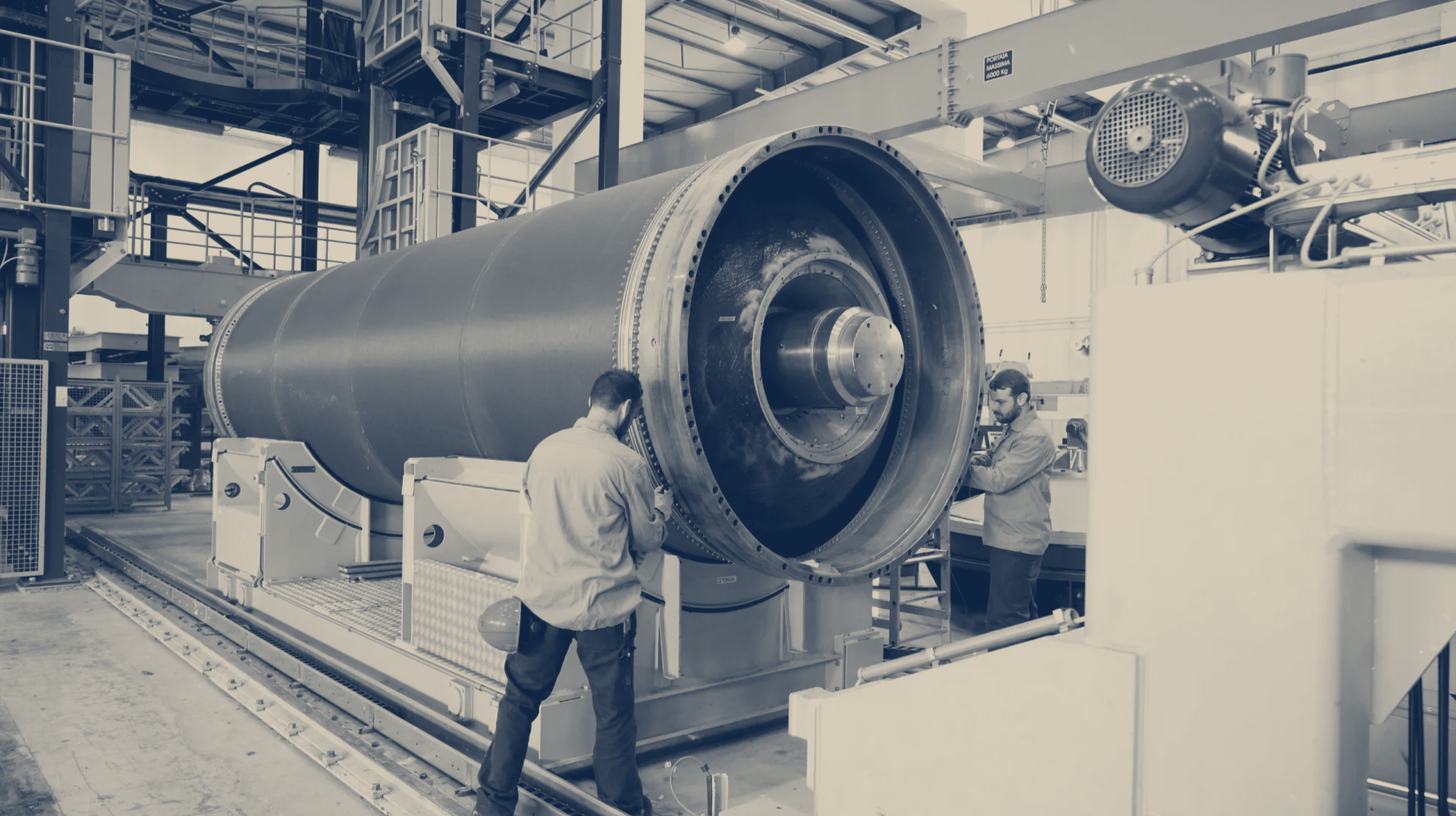
Lockheed Martin and Avio have agreed to expand U.S. solid rocket motor production capacity at Avio USA's facility under construction in Hurt, Virginia. Avio is committing over $500 million to the effort to supply motors for Extended Range GMLRS and Precision Strike Missile programs.
What's happening
- Avio USA is building a new solid rocket motor facility in Hurt, Virginia with over $500 million in capital investment.
- Lockheed Martin will access a share of Avio's merchant supply capacity for ER GMLRS and Precision Strike Missile production once the facility qualifies.
- Avio intends to serve multiple defense customers as a merchant supplier, leveraging parent company Avio S.p.A.'s solid propulsion expertise.
- The facility is under construction with recruitment of U.S. workforce ongoing; no timeline for qualification or manufacturing start was disclosed.
Why it matters
- A second domestic source for solid rocket motors reduces supply chain concentration risk for two critical missile programs supporting Army and allied forces.
- Increased production capacity enables Lockheed Martin to accelerate output of ER GMLRS and PrSM in response to emerging threats and customer demand.
- Avio's $500 million commitment to U.S. manufacturing establishes a new foreign-backed production node within the domestic missile industrial base.
- Merchant supply model allows Avio to serve other prime contractors and programs, strengthening overall defense industrial resilience in propulsion.
The intrigue
- No motor production volume, unit economics or revenue split between Lockheed Martin and Avio was disclosed, leaving program scale and commercial terms opaque.
- Timeline to facility qualification and manufacturing start remains unknown, creating uncertainty about when additional capacity will actually relieve supply constraints.
Financial impact
- Avio's $500 million Virginia facility investment will be capitalized as property, plant and equipment on the balance sheet, depreciating over the asset life as production begins.
- Lockheed Martin will recognize revenue on ER GMLRS and PrSM contract awards as motors are produced and delivered; additional output from Avio supply should support higher revenue recognition rates starting after facility qualification, timing not disclosed.
- For Lockheed Martin, access to diversified supply reduces procurement risk and potential margin pressure from single-source motor constraints on backlog conversion.
The fine print
- Financial terms of the cooperation agreement, including Lockheed Martin's commitment level and motor purchase prices or volumes, were not disclosed.
- Manufacturing start depends on facility qualification completion; no qualification timeline, success criteria or regulatory approvals are specified.
- Avio's merchant supply model means motors will be allocated among multiple defense customers; Lockheed Martin's actual production allocation is undefined.
Source: defence-industry.eu · Oct 14, 2026 · Drafted with Claude, reviewed by Industrial Base Alpha.