Mentioned:No public companies identified
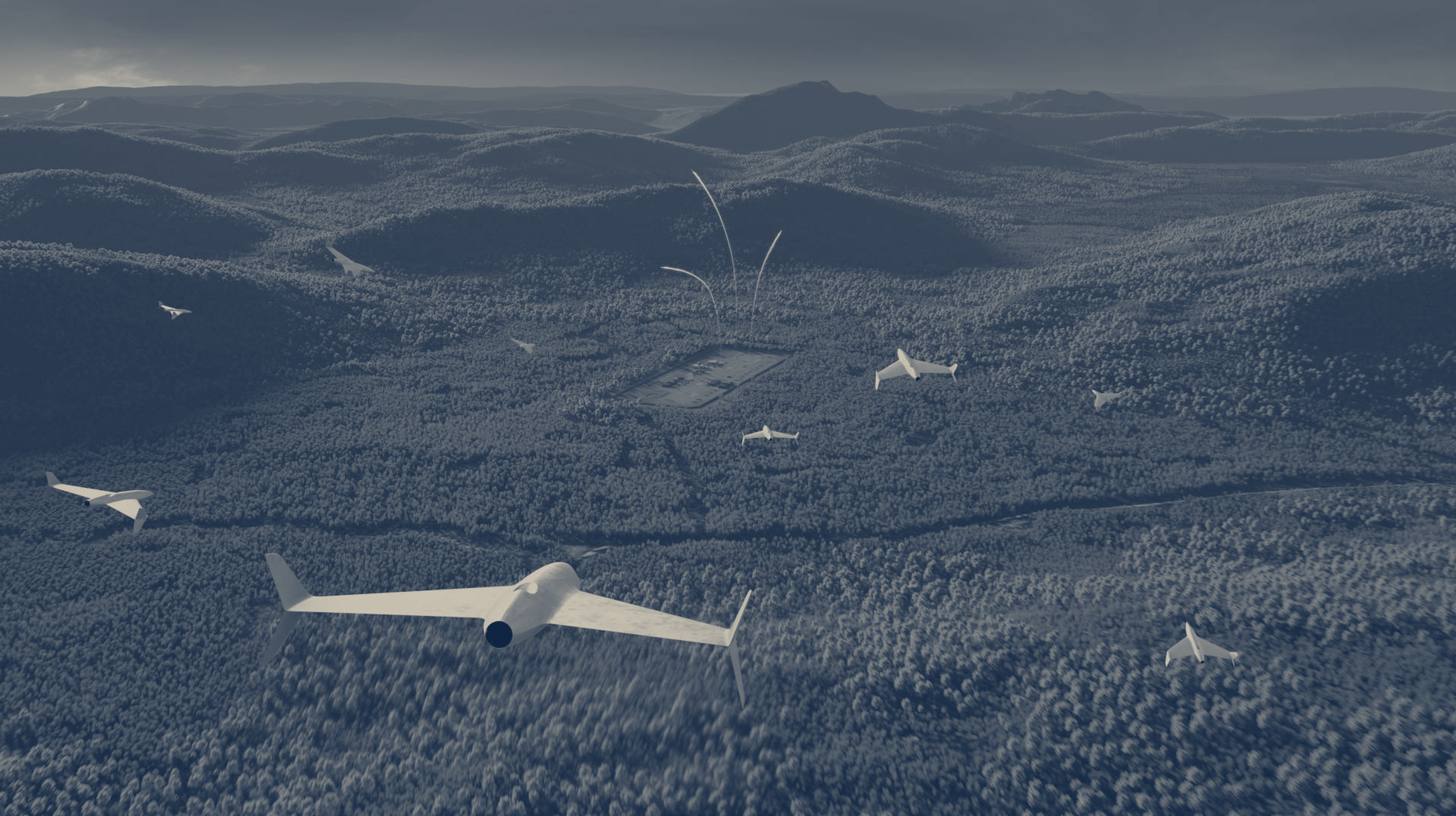
US Army leadership announced expansion of land-based missile and air defense systems across island chains in the Indo-Pacific as a counter to China's geographical advantage. The strategy positions mobile launchers and radar on friendly territory to erode China's home-field advantage and support extended logistical operations.
What's happening
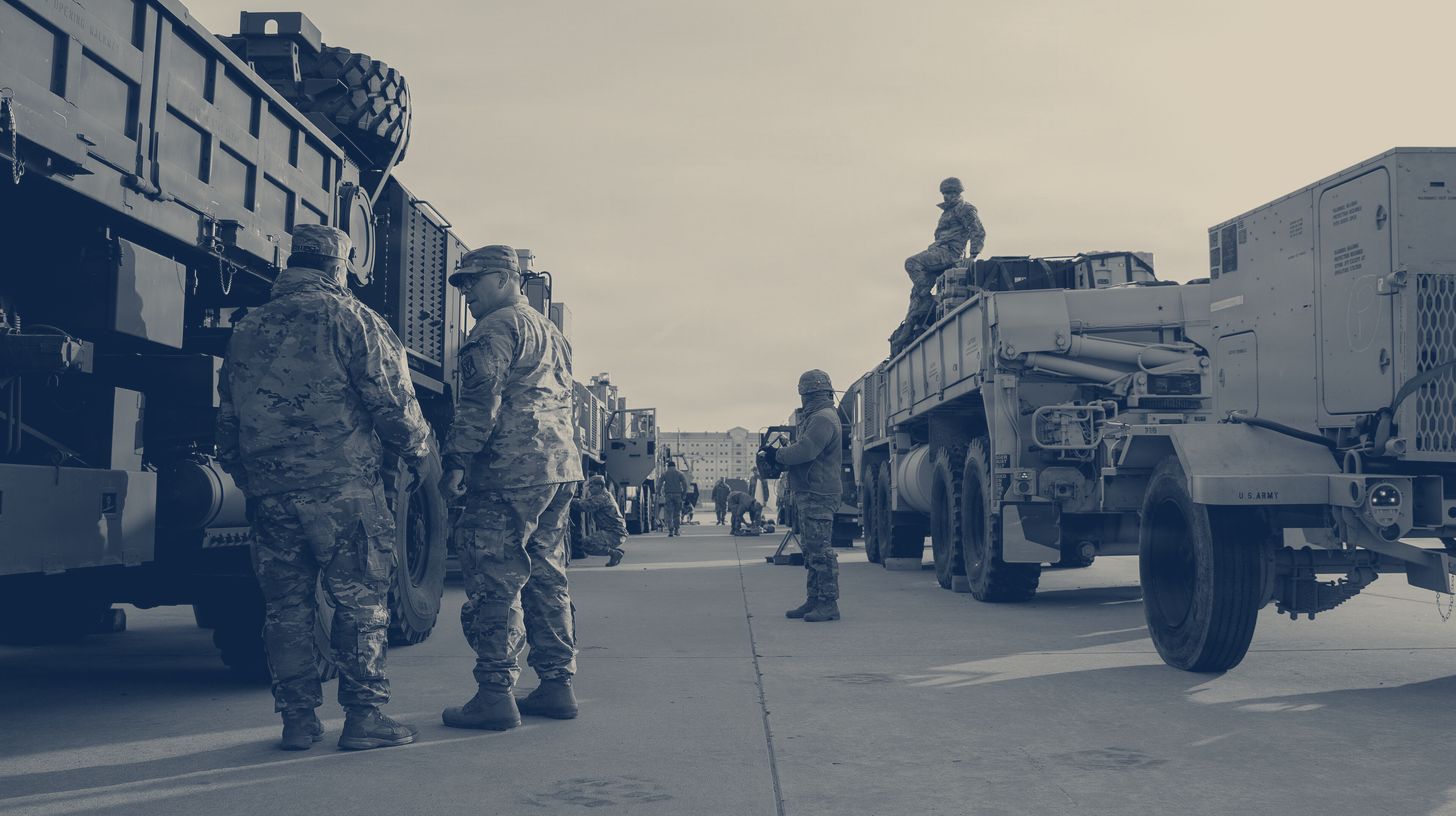
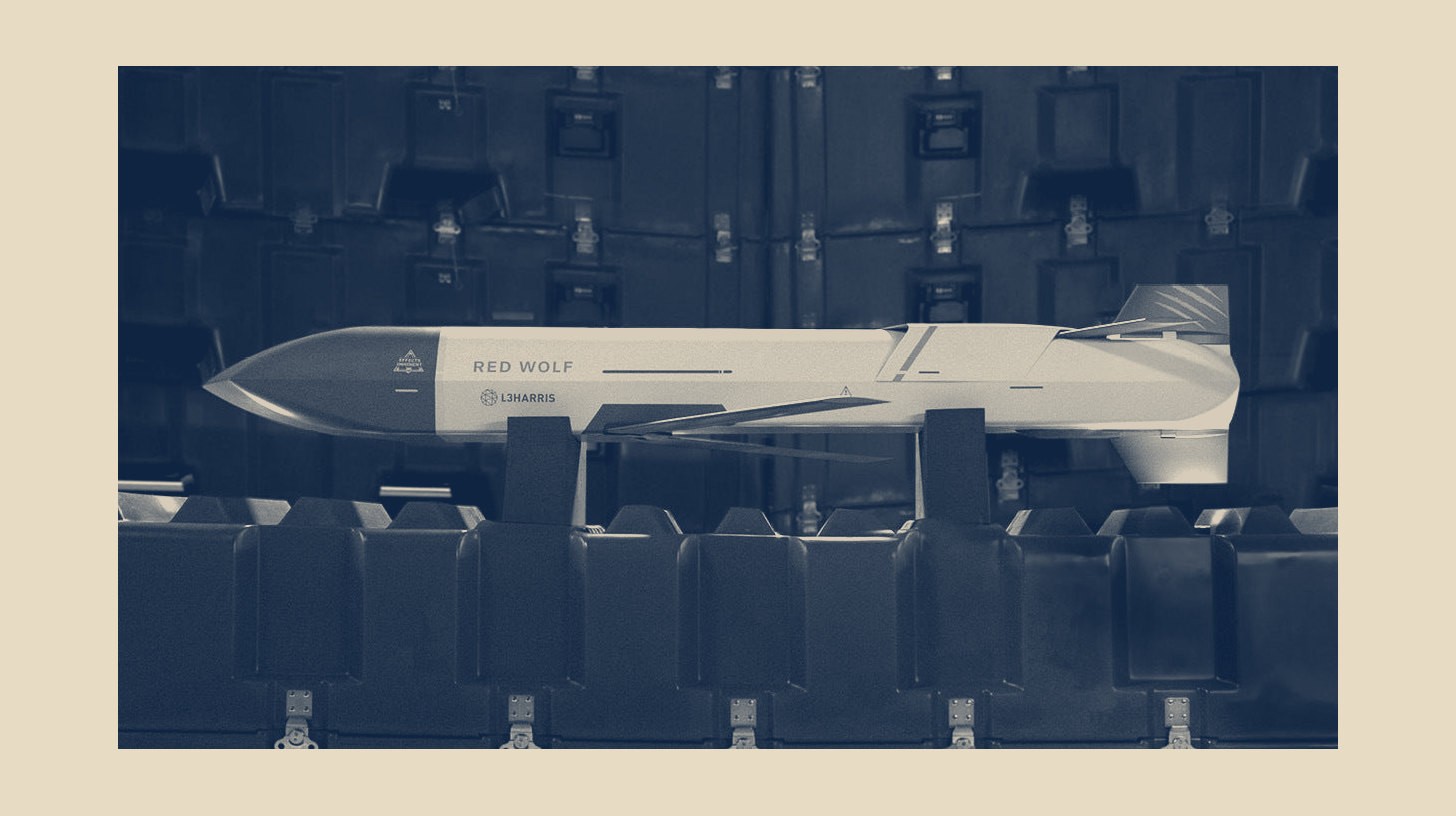
- US Army Pacific is seeding mobile missile launchers, radar systems, and air defenses across island chains and allied nations including Japan and the Philippines.
- The strategy addresses the tyranny of distance, enabling the US to project and supply military power thousands of miles from home bases.
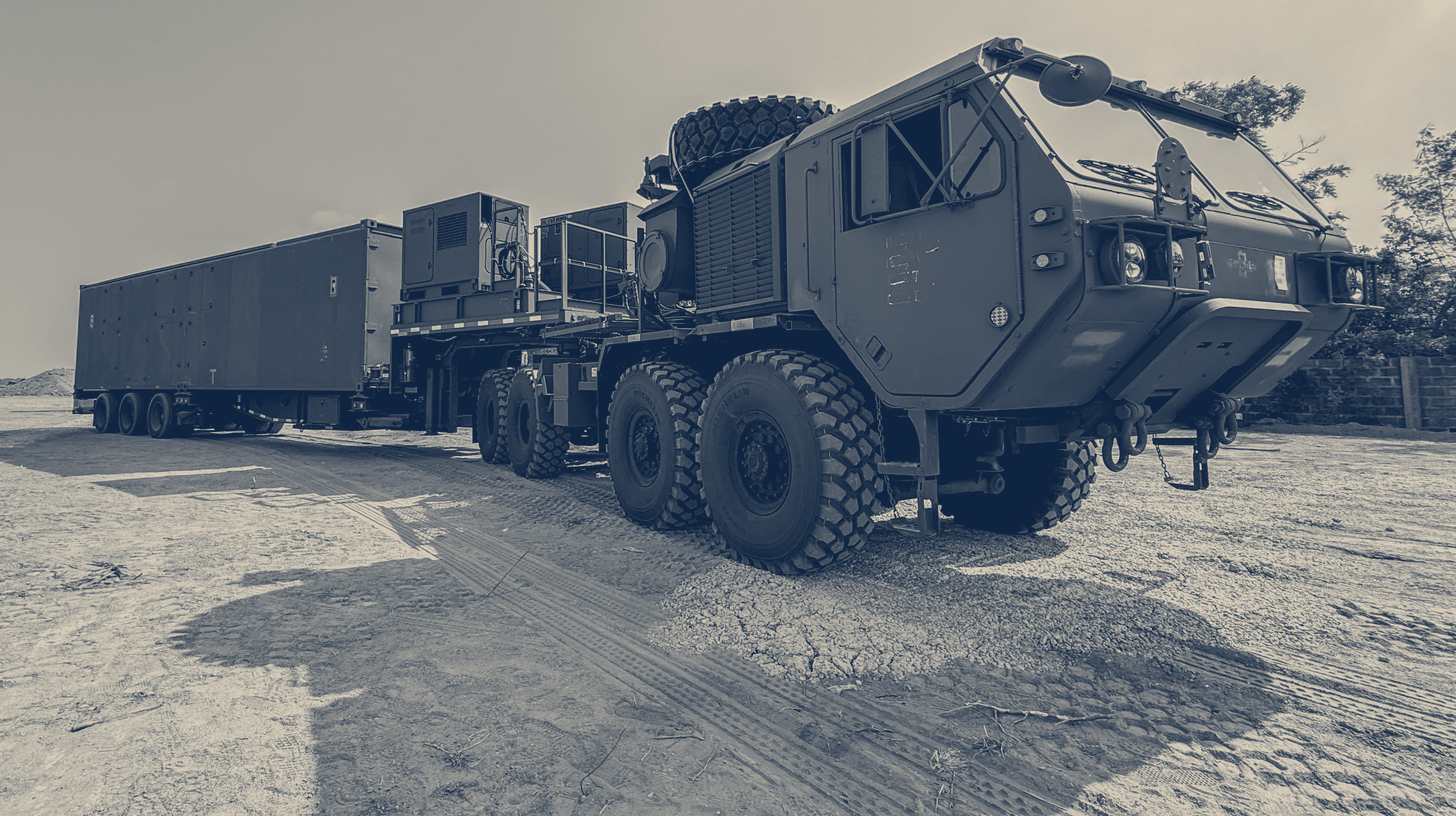
- The US tested this approach in May 2026 by firing a Tomahawk missile from a Typhon system stationed in the Philippines.
- Land-based assets would serve dual roles in anti-ship warfare, air defense, long-range strikes, and as logistics hubs for extended operations.
Why it matters
- China's supply chains and forces would operate from nearby territories, giving the US a material disadvantage in a sustained conflict without forward bases.
- Mobile systems positioned on allied soil increase the cost and complexity of Chinese military action by forcing adversary forces to target dispersed, relocatable assets.
- The strategy redistributes deterrence burden across multiple services and allied nations, reducing reliance on vulnerable fixed installations or distant naval and air assets.
- Forward-based caches and logistics hubs reduce the tonnage of fuel, ammunition, and maintenance support needed for ships and aircraft operating thousands of miles away.
Going deeper
- Mobile missile systems are inherently harder for an adversary to locate and neutralize compared to fixed bases.
- China maintains substantial ballistic and cruise missile stockpiles capable of threatening island-based assets, creating a mutual vulnerability.
- The strategy blurs traditional service boundaries, increasingly linking land, naval, and air forces into an integrated operational network.
The intrigue
- Forward-deployed land assets still require the same logistical supply and support from home, meaning the strategy does not fully solve the tyranny of distance problem it was designed to address.
- Deployment footprint and specific allied basing agreements remain undisclosed, leaving unclear the extent of allied political commitment and the scale of the missile network.
Source: interestingengineering.com · Oct 18, 2026 · Drafted with Claude, reviewed by Industrial Base Alpha.