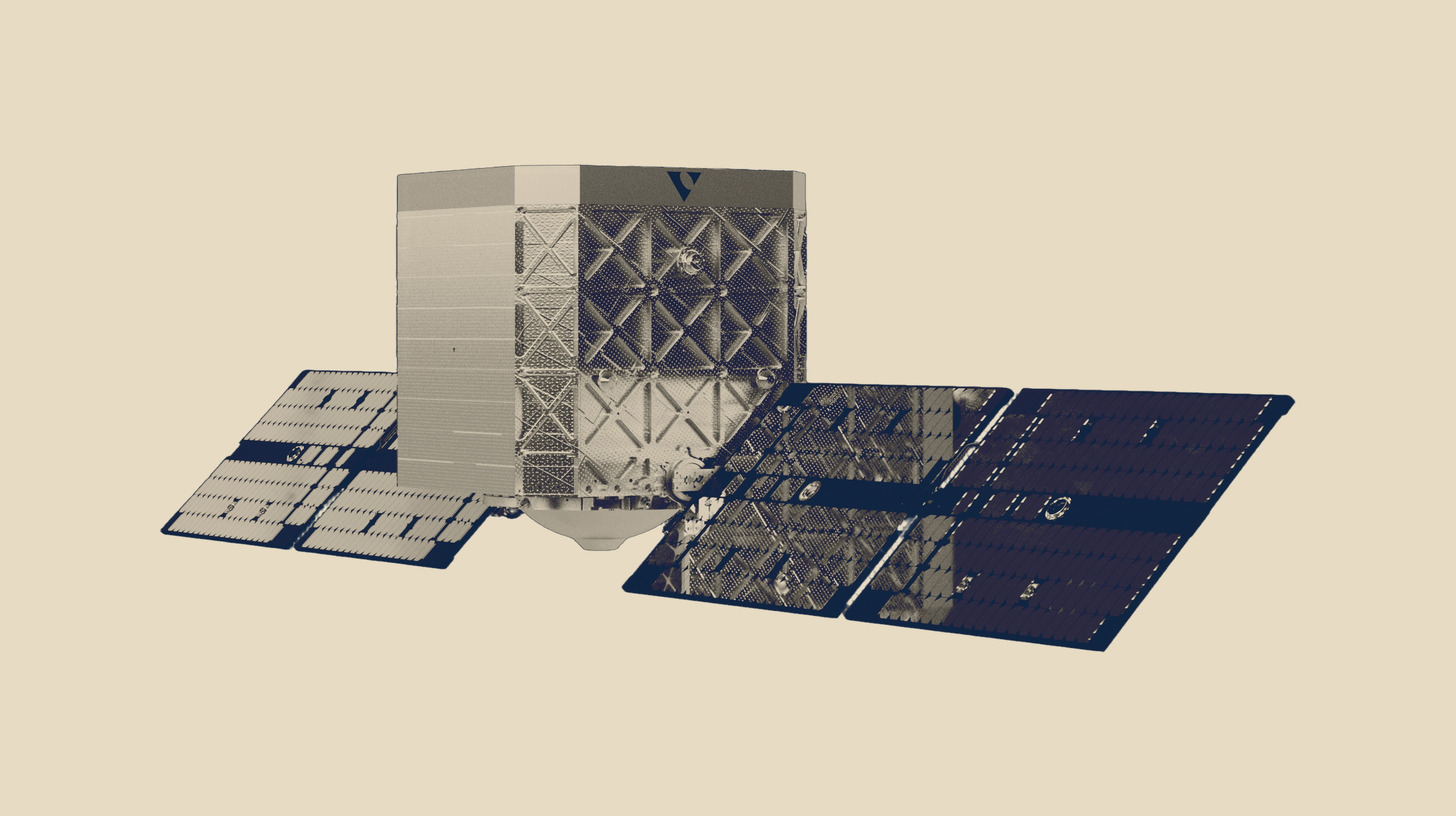
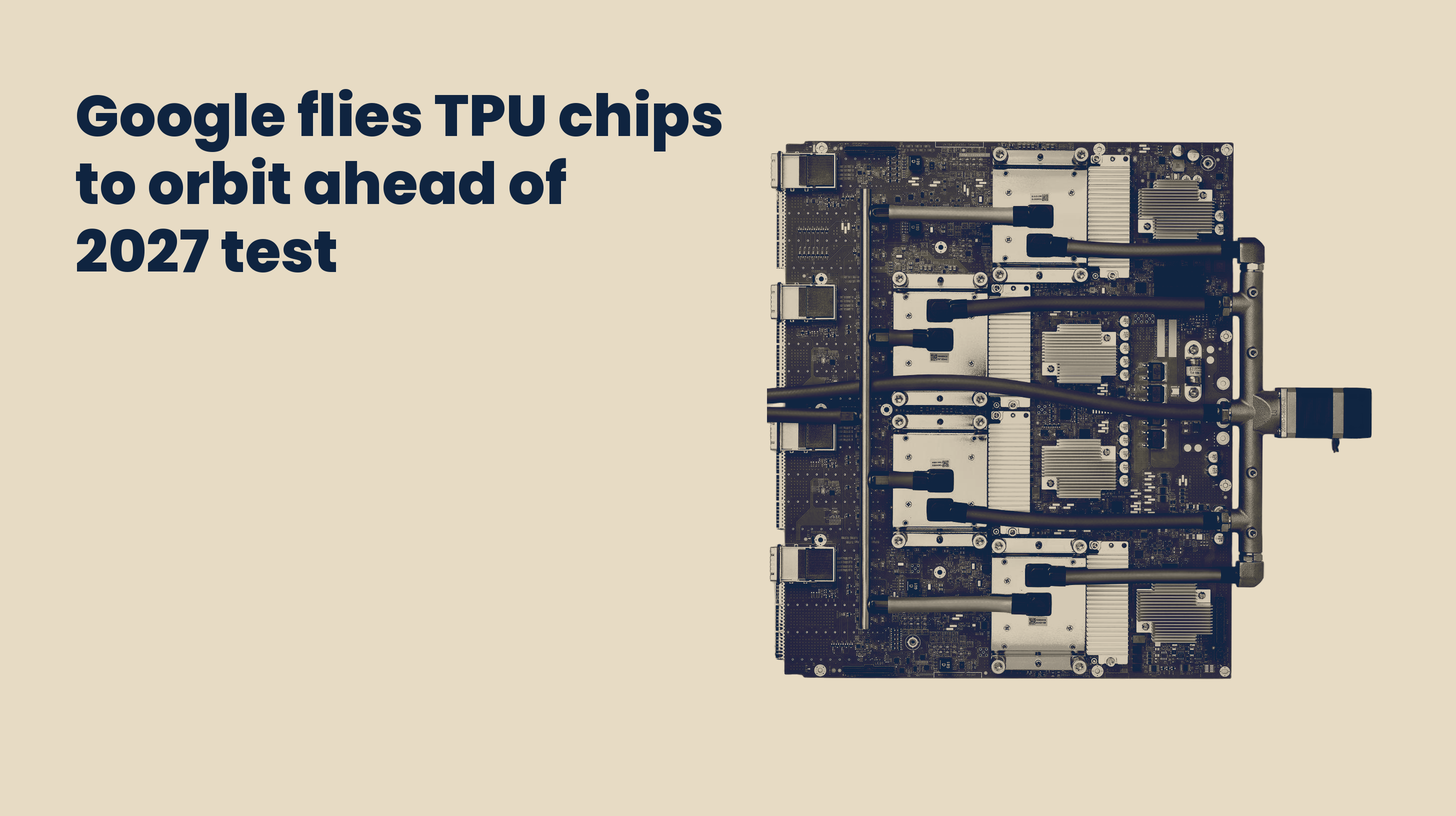
Google is sending Tensor Processing Units into orbit for the first time aboard SpaceX's Transporter-18 rideshare mission. It is the first orbital hardware test under Project Suncatcher, Google's effort to explore space based AI compute.
What's happening
- Google will launch a prototype satellite carrying TPU chips aboard SpaceX's Transporter-18 mission, built with satellite company Planet.
- The flight is the first orbital hardware test under Project Suncatcher, Google's research program on satellite based machine learning infrastructure.
- Ground testing already exposed the hardware to launch vibration forces of 50 to 100 g and radiation doses exceeding five years of expected space exposure.
- Google plans a follow-on orbital test in 2027 using two satellites to validate laser based inter-satellite communication links.
Why it matters
- Success would let Google draw on low Earth orbit solar power that the company says can reach eight times terrestrial output, easing AI data center energy constraints.
- Validating TPUs in orbit tests whether terrestrial chip designs can survive launch loads and radiation without a costly redesign for space use.
- A viable orbital compute cluster would diversify where AI infrastructure sits, away from land based data centers facing power and cooling limits.
Going deeper
- Google tested Trillium TPUs with a proton beam at UC Davis's Crocker Nuclear Laboratory while the chips ran machine learning workloads.
- Cooling hardware combining heat pipes and radiators was validated in a thermal vacuum chamber before the orbital flight.
- The planned laser link system must align satellites flying close together, a task Google compares to hitting a coin sized target from miles away.
Financial impact
- Alphabet (GOOGL) has disclosed no program cost or contract value for Project Suncatcher, so spending likely sits within R&D expense, timing not disclosed.
- No revenue or backlog impact is expected from this flight since it is a research validation test rather than a commercial contract.
The fine print
- The article gives no launch date, contract value, or financial terms for the Transporter-18 mission.
- Google describes the results as preliminary, with further hardware refinement needed before any larger satellite cluster deployment.
Source: interestingengineering.com · Sep 24, 2026 · Drafted with Claude, reviewed by Industrial Base Alpha.