Mentioned:LMT Lockheed Martin Corporation
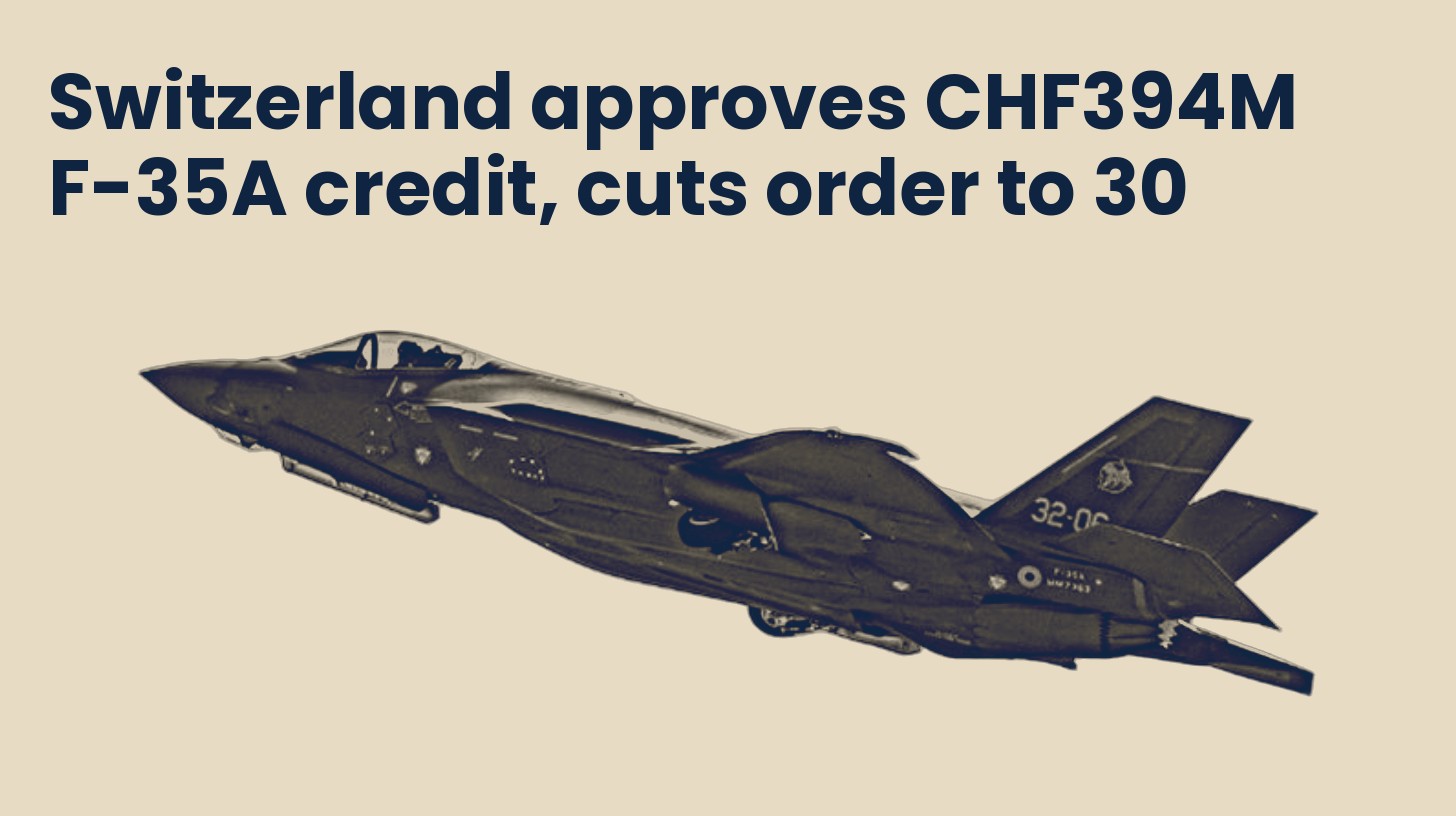
Lockheed Martin CEO Jim Taiclet announced a proposed ten-year F-35 procurement arrangement targeting 850 U.S. aircraft and 156 allied orders annually. The plan includes upgrading F-35s to deliver 80% of sixth-generation fighter capability at 50% of a clean-sheet aircraft cost through Skunk Works development.
What's happening
- Lockheed Martin proposes a ten-year F-35 procurement arrangement supporting 850 U.S. aircraft with 156 allied aircraft ordered annually over the period.
- The company plans to upgrade F-35s to incorporate sixth-generation key technologies at Skunk Works, targeting 80% of sixth-generation capability at 50% of clean-sheet cost.
- The arrangement covers production, maintenance and modernization, with sustainment parts purchasing pooled across production and maintenance requirements to improve pricing.
- A Lot 20 agreement signed before year-end would improve financial results beyond current forecasts, according to CFO Evan Scott.
Why it matters
- A ten-year commitment provides the supply chain, which accounts for 60% or more of the aircraft, greater confidence to hire workers, improve factories and update software.
- Longer planning horizons and efficiency-sharing incentives will reduce costs from late deliveries and defective components while accelerating modernization cycles.
- Extended procurement certainty supports investment in testing equipment and capabilities faster than traditional contract structures, improving fleet readiness across allied air forces.
- The approach sustains F-35 production rates while preserving manufacturing capacity against near-term sixth-generation fighter development and deployment timelines.
Going deeper
- The F-35 would account for the bulk of air combat power under this strategy, particularly for air-to-ground missions, with F-22 upgrades and Vectis autonomous aircraft as complementary programs.
- The contracting model would allow manufacturers to retain financial gains from efficiency improvements, with prices adjusted through an agreed escalation mechanism.
- Lockheed Martin is also funding five Vectis autonomous aircraft as the third element of its air combat strategy alongside F-35 and F-22 modernization.
The fine print
- Taiclet did not specify which sixth-generation technologies would be incorporated, when they would enter service or how the 80% capability and 50% cost targets were calculated.
- The figures were presented as development objectives for Lockheed Martin's work, not as locked contractual commitments.
- The Lot 20 agreement was not assumed in the company's current financial guidance and remains subject to Air Force award before year-end.
Source: defence-industry.eu · Oct 24, 2026 · Drafted with Claude, reviewed by Industrial Base Alpha.