Mentioned:RoketsanKongsbergNaval GroupLumut Naval Shipyard
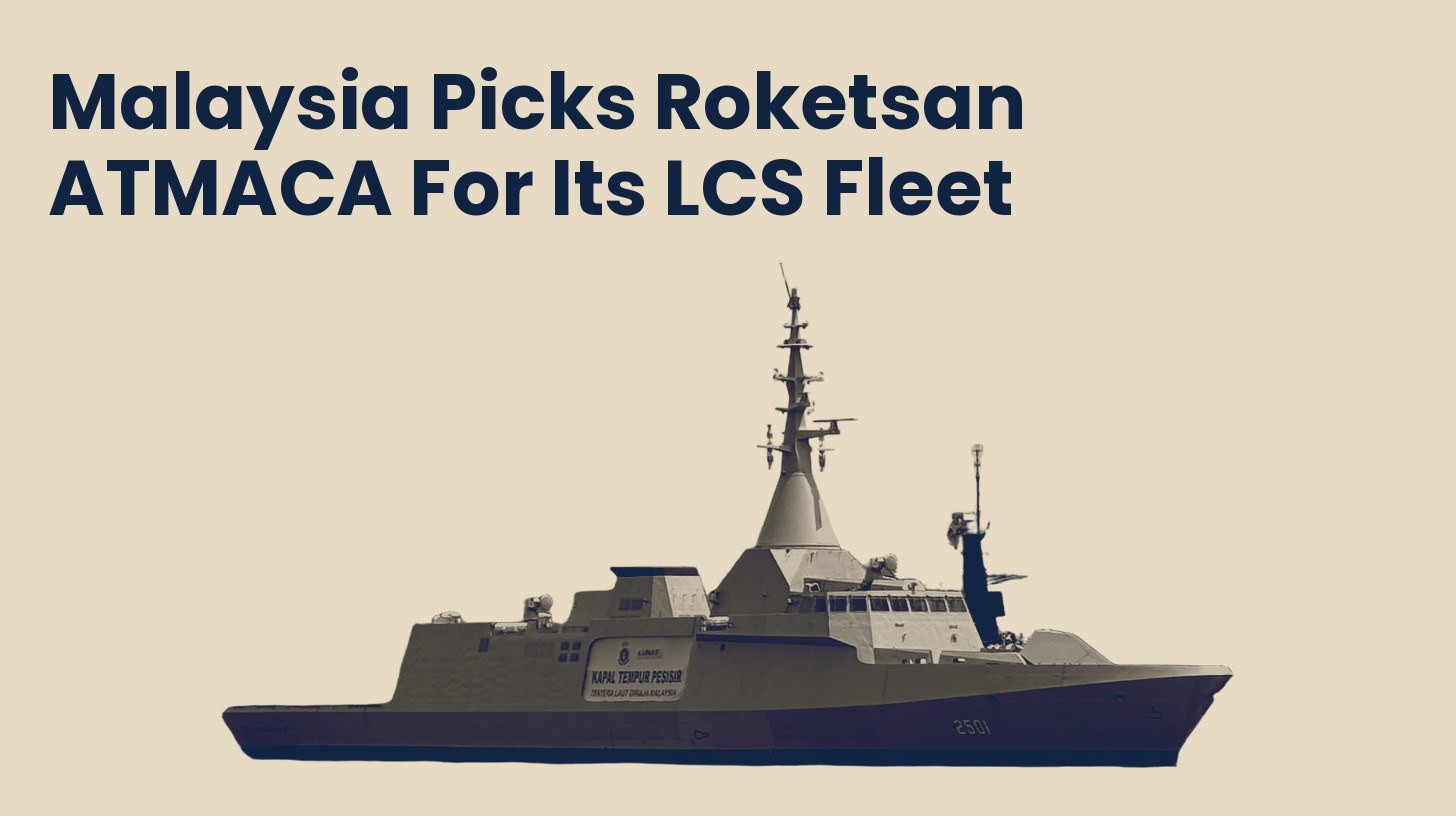
Malaysia announced that Roketsan's ATMACA anti-ship missile will replace Kongsberg's Naval Strike Missile on the Royal Malaysian Navy's five Littoral Combat Ships. The selection avoids introducing an entirely new weapons system because Malaysia already ordered 24 ATMACAs for its Littoral Mission Ship Batch 2 program.
What's happening
- Malaysian Defense Minister Datuk Seri Mohamed Khaled Nordin announced on November 12 that Malaysia will negotiate with Türkiye to finalize the ATMACA purchase for the five LCS vessels.
- Malaysia determined the Turkish missile superior to French and Italian competitors on cost and delivery timelines, with assurances of compatibility with Naval Group's SETIS combat management system.
- Prior Malaysian ATMACA orders for Littoral Mission Ship Batch 2 mean existing inventory reduces the cost of introducing the new missile system to the LCS fleet.
- Two sources told Naval News that key technical integration details between the Turkish missile and French combat management system remain unsettled and require upcoming negotiations.
Why it matters
- The ATMACA selection resolves a critical supply chain disruption: Norway blocked NSM exports to Malaysia in March, delaying LCS 1 Maharaja Lela's delivery from December 2026 to April 2027.
- Removing already-installed NSM launchers from Maharaja Lela contributed to delays; the ATMACA substitution avoids repeating that costly rework across the remaining four ships.
- Malaysia's LCS program faced 9.19% construction delays as of September 25, with the Auditor General flagging the NSM export block as a major program risk requiring resolution.
- Standardizing on ATMACA aligns the five-ship LCS fleet with Malaysia's existing Littoral Mission Ship Batch 2 program, streamlining weapons acquisition and logistics.
Going deeper
- Integration of the Turkish ATMACA into France's SETIS combat management system requires cooperation from Naval Group and France's DGA to establish technical interfaces.
- A standalone console configuration for the ATMACA in the Combat Information Center is a viable alternative if full CMS integration proves complex or infeasible.
- ATMACA is already operationally proven aboard Turkish Navy vessels equipped with Turkish-developed combat management systems such as GENESIS or ADVENT.
- Malaysia remains in dispute resolution discussions with Norway over the March NSM export block, suggesting diplomatic complications may resurface.
Financial impact
- Malaysia avoids full procurement costs of introducing a new missile system by leveraging 24 existing ATMACA units already purchased for Littoral Mission Ship Batch 2; timing of cost recognition not disclosed.
- Delaying LCS 1 Maharaja Lela delivery from December 2026 to April 2027 deferred handover and associated revenue recognition for Lumut Naval Shipyard by at least four months.
- Overall LCS program construction stood at 80.72% complete as of September 25, positioning the remaining 19.28% of shipyard capex and labor costs for the coming quarters.
The intrigue
- Standalone console deployment of the ATMACA could sidestep French-Turkish system integration delays but may reduce combat effectiveness by separating the missile from the ship's unified combat system.
- Malaysia's negotiated resolution with Türkiye may set a precedent for other regional navies seeking alternatives to NSM amid export control constraints.
The fine print
- Integration with France's SETIS combat management system still requires negotiation; technical details of physical integration aboard the ships remain unsettled.
- Standalone console option is under consideration but represents a less capable alternative to full CMS integration.
- Malaysia's Auditor General also flagged lack of finalized contracts for VL-MICA surface-to-air missiles, 57mm ammunition, and integrated decoy launching systems as additional program risks.
- Lumut Naval Shipyard cited international arms export control regulations and chain-of-custody compliance as reasons for delays related to NSM launcher removal.
Source: navalnews.com · Nov 15, 2026 · Drafted with Claude, reviewed by Industrial Base Alpha.