Mentioned:BA Boeing
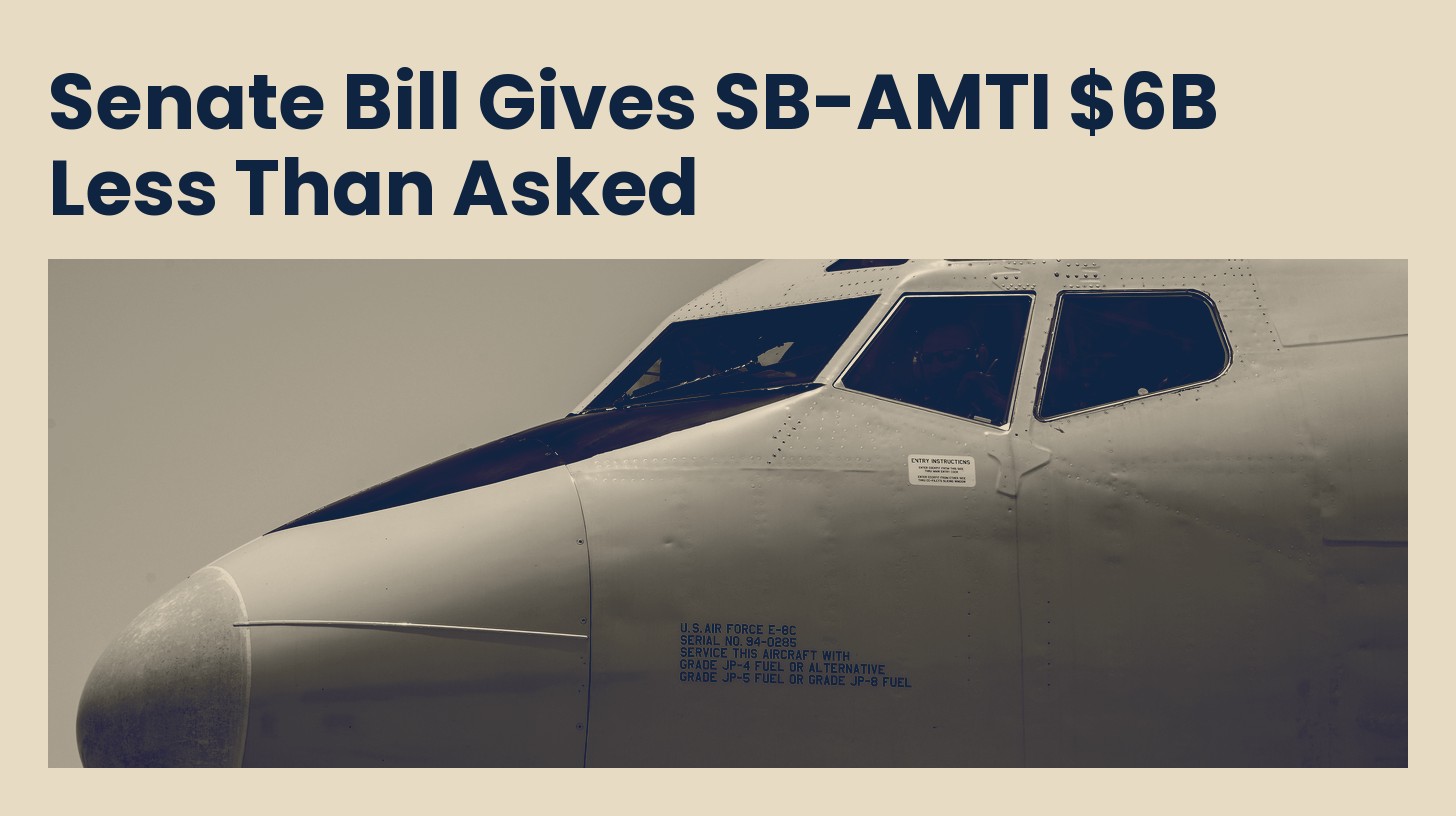
Senate appropriators funded the Space Force's Space Based Air Moving Target Indicator constellation at $6 billion below the Department of the Air Force's request. The shortfall delays a major architectural shift in how the military will conduct airborne surveillance and moving target detection.
What's happening
- The Senate appropriations bill for fiscal 2027 provides SB-AMTI funding, but at a level $6 billion lower than the Department of the Air Force requested.
- SB-AMTI is designed to replace the 1970s-era E-3 Airborne Warning and Control System and the newer E-7 Wedgetail with a satellite-based surveillance constellation.
- Air Force Secretary Troy Meink stated in September 2025 that first launches would occur by the end of that month, but the department did not confirm whether those launches happened.
Why it matters
- The $6 billion shortfall creates a capability gap during transition from airborne platforms to space-based surveillance, potentially extending reliance on aging AWACS aircraft beyond their planned retirement.
- SB-AMTI represents a fundamental shift in surveillance architecture; underfunding risks delays that could leave the Air Force without adequate moving target indicator capability.
- The constellation is intended to provide persistent, space-based surveillance across theaters where E-3 and E-7 platforms have operated, making the funding cut a significant industrial base transition risk.
Financial impact
- The appropriations bill funds SB-AMTI at an undisclosed amount, $6 billion below the DAF request for fiscal 2027.
- The shortfall will likely delay development and procurement schedules, affecting revenue recognition and production rates across the program's prime contractors and subcontractors.
The fine print
- The exact appropriated amount and DAF request figure are not disclosed in available reporting.
- Timing of first launches stated for September 2025 was not confirmed as of the reporting date.
Source: Defense Daily · Nov 18, 2026 · Drafted with Claude, reviewed by Industrial Base Alpha.