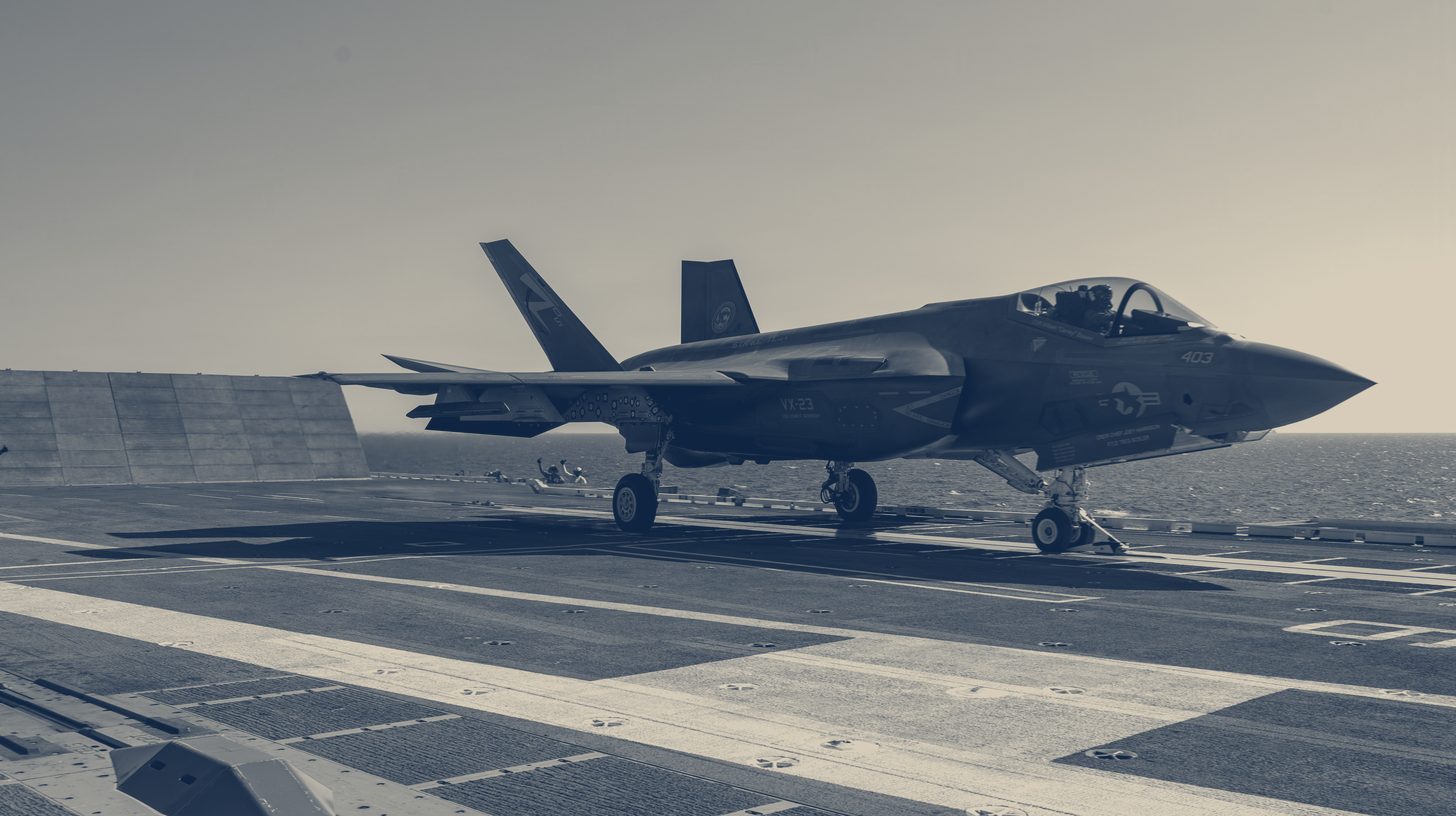
A U.S. Navy F-35C achieved its first arrested landing aboard USS John F. Kennedy (CVN 79) on October 13, 2026, marking a critical integration milestone for the stealth fighter on Ford-class carriers. The test validates the aircraft's compatibility with the carrier's electromagnetic launch and recovery systems after years of development challenges.
What's happening
- Two F-35C test pilots from Air Test and Evaluation Squadron 23 (VX-23) flew the first arrested landing aboard the Ford-class carrier in the Western Atlantic.
- A specially instrumented F-35C with telemetry markings collected data on aircraft compatibility with electromagnetic catapults and advanced arresting gear during the test.
- The Navy took preliminary acceptance of USS John F. Kennedy on September 29, 2026, allowing at-sea testing before formal delivery scheduled for spring 2027.
- The landing occurred during an ongoing Aircraft Compatibility Testing (ACT) campaign led by the F-35 Integrated Test Force at Patuxent River.
Why it matters
- Ford-class carriers use electromagnetic launch and recovery systems that differ significantly from the steam-powered systems on preceding Nimitz-class carriers, requiring full validation with operational aircraft.
- The F-35C is central to the Navy's carrier air wing composition and must operate reliably from Ford-class ships to meet operational requirements.
- USS Gerald R. Ford (CVN 78) did not include F-35C testing during its 2020 Aircraft Compatibility Testing, deferring validation to later ships in the class.
- Integration requires carrier modifications to maintenance infrastructure and support systems for handling the aircraft's sensitive mission systems and classified data.
Going deeper
- The F-35C features larger wings, reinforced landing gear and a beefier tail hook compared with the Air Force's F-35A to handle carrier operations.
- Electromagnetic Aircraft Launch System (EMALS) and Advanced Arresting Gear (AAG) development challenges contributed to delays in Ford-class carrier readiness.
- USS John F. Kennedy incorporated F-35C integration modifications during construction following congressional pressure, unlike USS Gerald R. Ford which deferred upgrades to modernization.
The fine print
- The arrested landing demonstrates compatibility milestone achievement but does not establish completion of all testing, certification or operational qualification requirements.
- USS John F. Kennedy remains under preliminary acceptance with final delivery and formal commissioning scheduled for spring 2027.
Source: twz.com · Oct 14, 2026 · Drafted with Claude, reviewed by Industrial Base Alpha.