Mentioned:No public companies identified$1B · Program/Policy
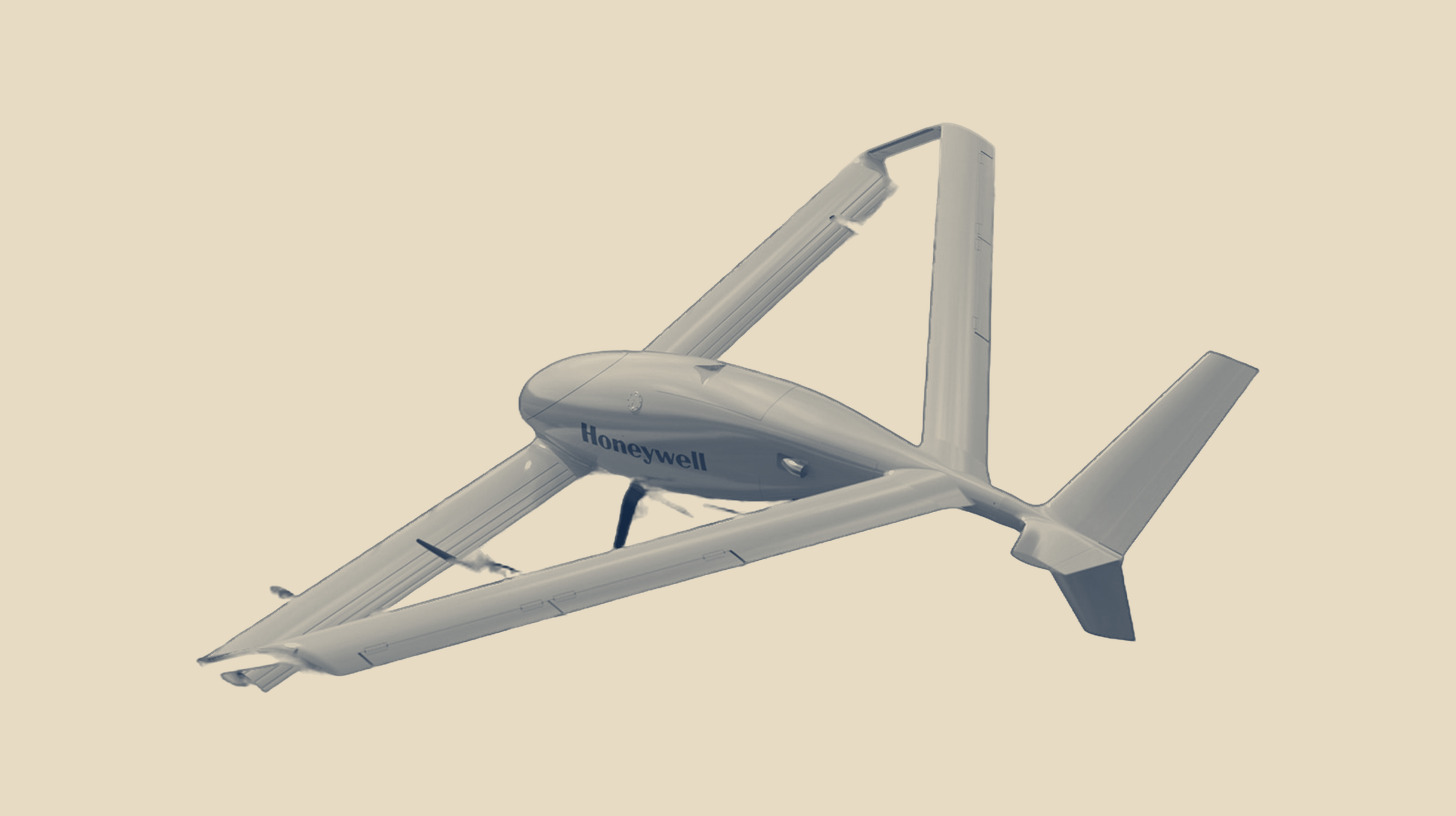
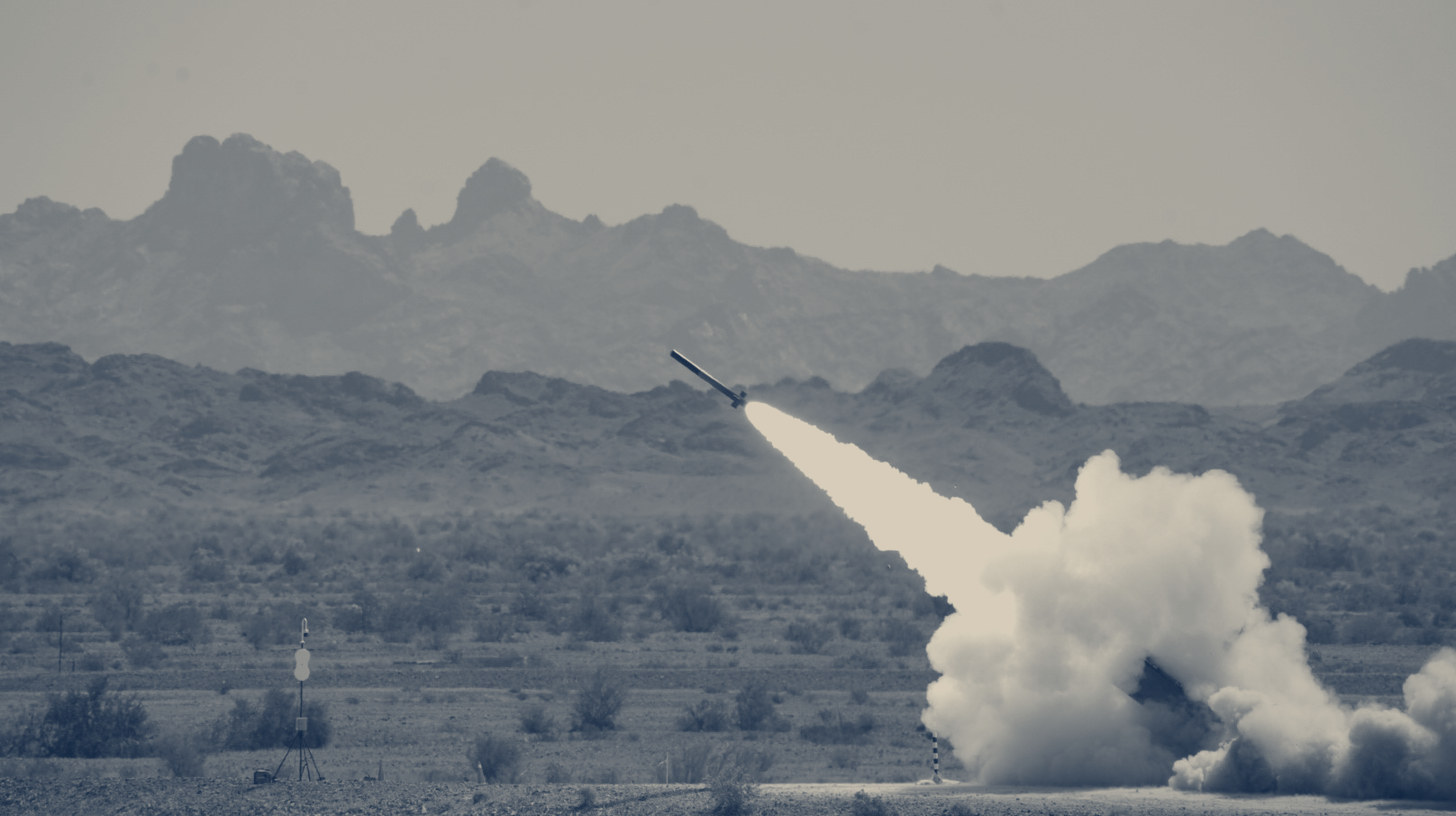
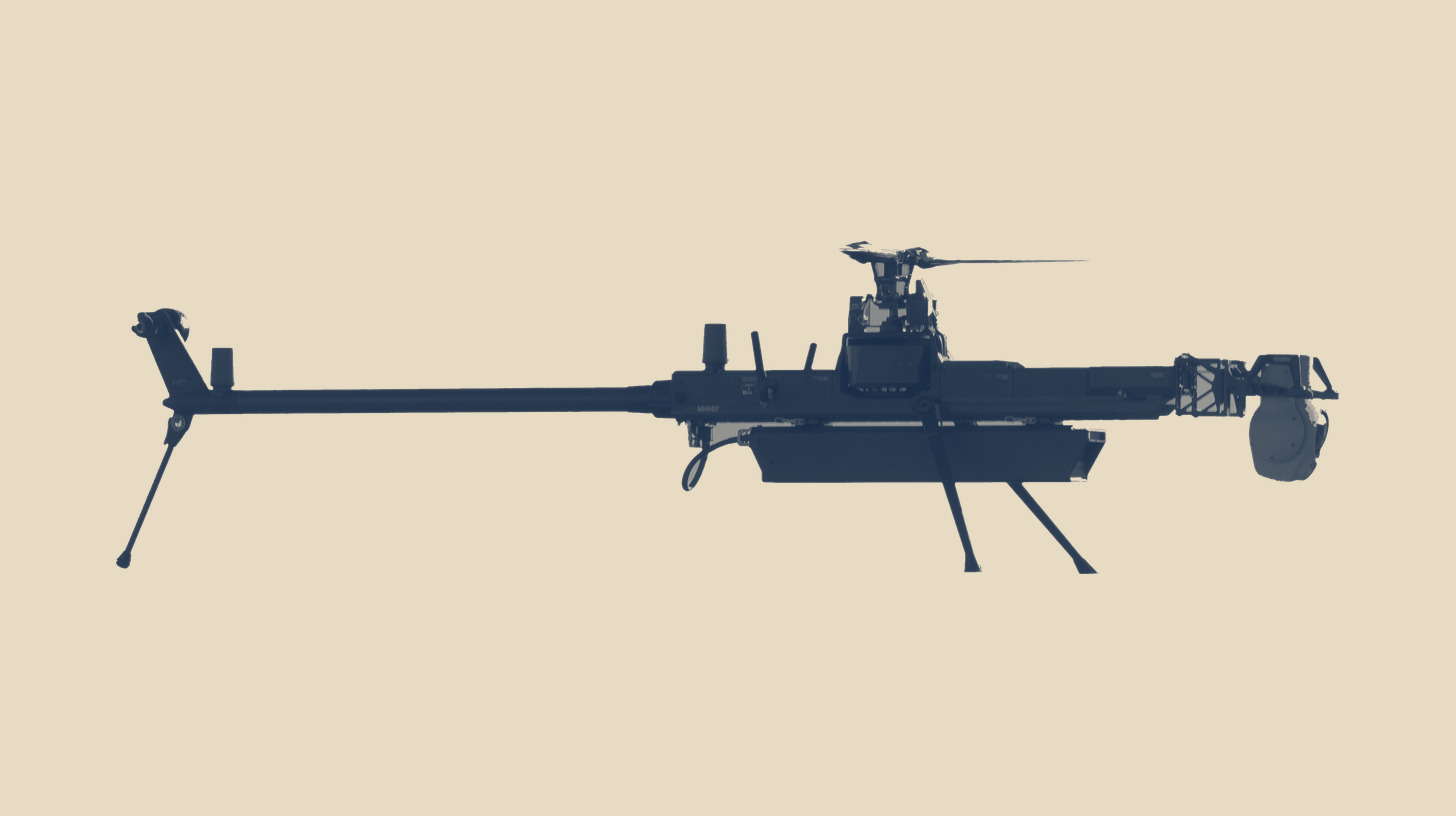
Secretary of War Pete Hegseth announced Project Agincourt at AUSA 2026, establishing a framework for a four-star Autonomous Warfare Command to coordinate unmanned systems across the joint force. The Pentagon plans to field hundreds of thousands of one-way attack systems this year and millions in coming years.
What's happening
- Project Agincourt creates organizational structure for a proposed four-star Autonomous Warfare Command to lead joint force unmanned operations.
- The Pentagon deployed $1B in drone-dominance funding directly to field operators to accelerate one-way attack system deployment.
- The Army, Navy, Air Force, Marine Corps and Space Force are each pursuing autonomous warfare capabilities with the new command providing operational coordination.
- Acting Army Secretary announced creation of Futures and Autonomous Systems Command (Fascom) to centralize Army autonomy efforts while pushing capabilities into operational units.
Why it matters
- Unified command structure reduces fragmentation across services and enables multidomain autonomous operations in contested environments.
- Fielding hundreds of thousands of unmanned systems this year represents massive expansion of production and sustainment capacity requirements across the industrial base.
- Autonomous systems cost one-fifth to one-tenth of crewed alternatives, reshaping force structure and procurement strategies across all services.
- Coordination between services through Fascom feeding into Autowarcom increases purchasing power and consolidates technical lessons to accelerate capability deployment.
Going deeper
- Navy deployed unmanned surface vessel with Theodore Roosevelt Carrier Strike Group on October 8 and used autonomous systems to recover two Apache pilots in June.
- Air Force integrating autonomous fighters into experimental operational units at Creech Air Force Base with crewed aircraft remaining dominant but autonomous systems taking growing role.
- Secretary Hegseth attributed delays in affordable drone availability partly to Pentagon bureaucracy, signaling acquisition reform and industry incentives as accelerators.
Financial impact
- The $1B drone-dominance funding already deployed to field operators represents obligated funds flowing to production and operational sustainment beginning fourth quarter 2026.
- Planned fielding of millions of unmanned systems over coming years will generate sustained revenue across defense contractors in propulsion, sensors, communications and manufacturing.
The intrigue
- Services stated they support the autonomous warfare command concept, but the proposed functional combatant command remains contingent on higher approval and formal establishment timelines remain undisclosed.
The fine print
- Project Agincourt is the short-term project framework; the four-star Autonomous Warfare Command (Autowarcom) is the intended end state with separate establishment authority required.
- Fielding rate of hundreds of thousands of systems this year versus millions in coming years indicates ramp-up schedule subject to production capacity and supply chain constraints.
Source: defence-industry.eu · Oct 15, 2026 · Drafted with Claude, reviewed by Industrial Base Alpha.