Mentioned:No public companies identified$50B · Program/Policy
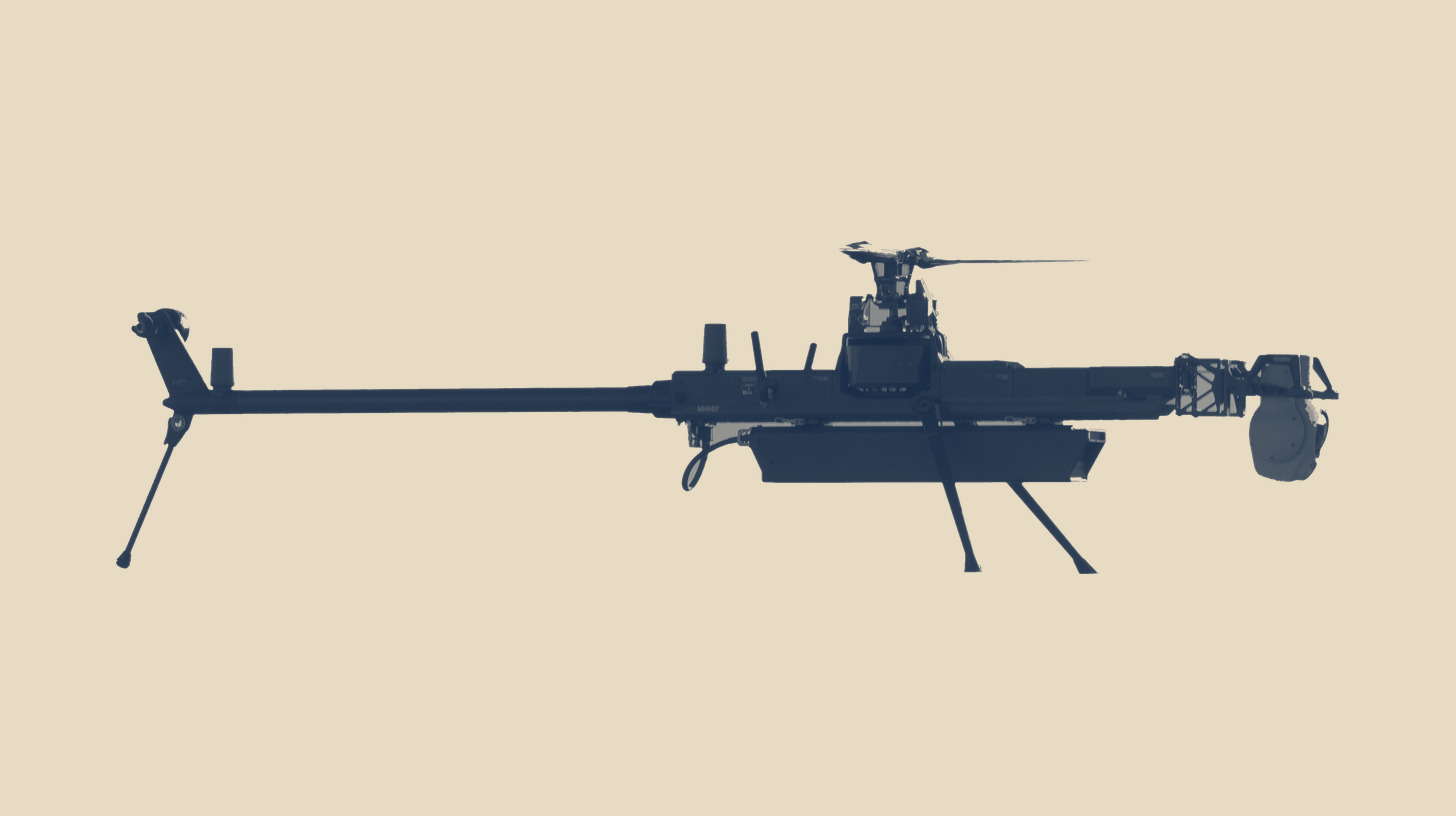
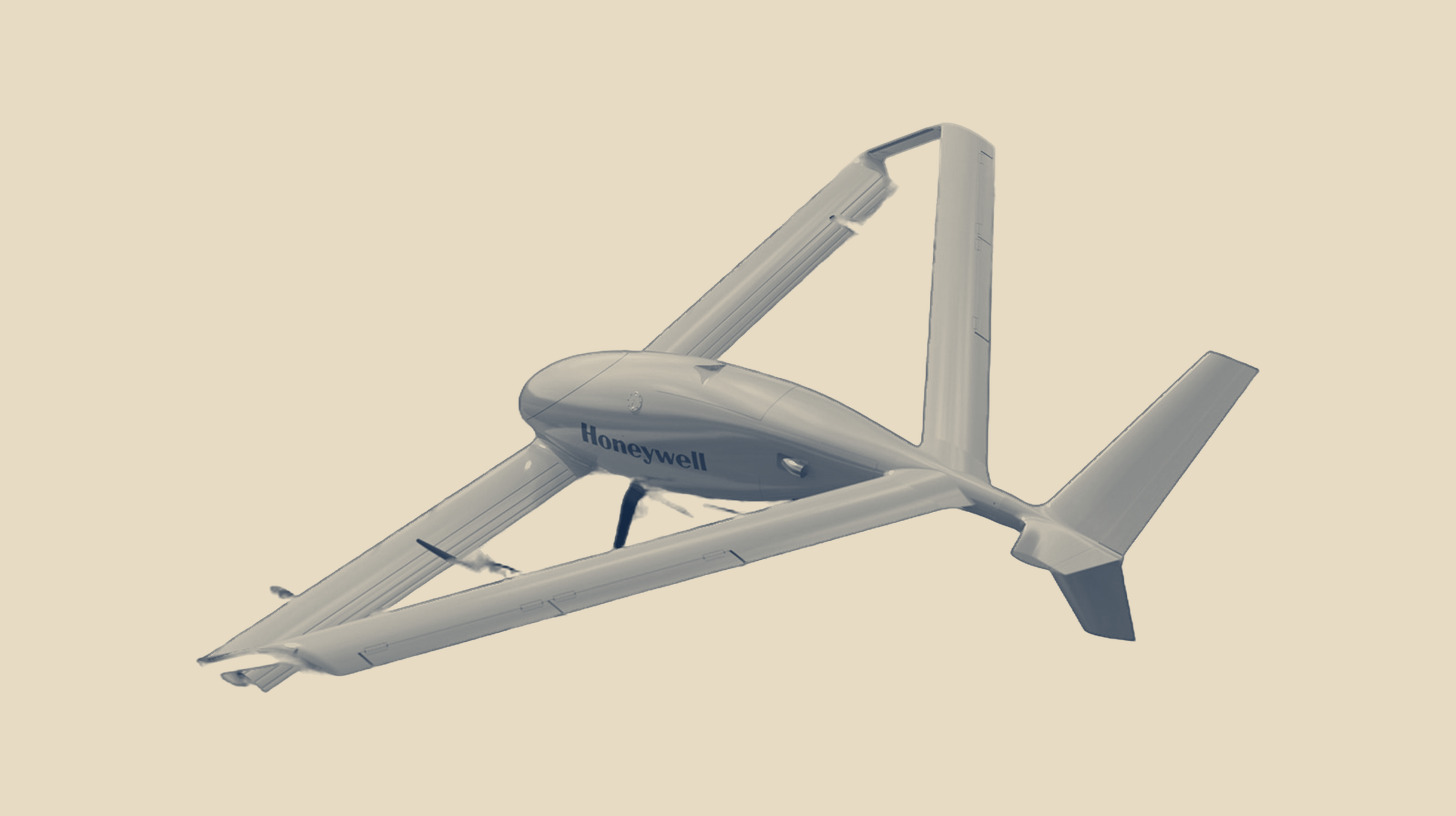
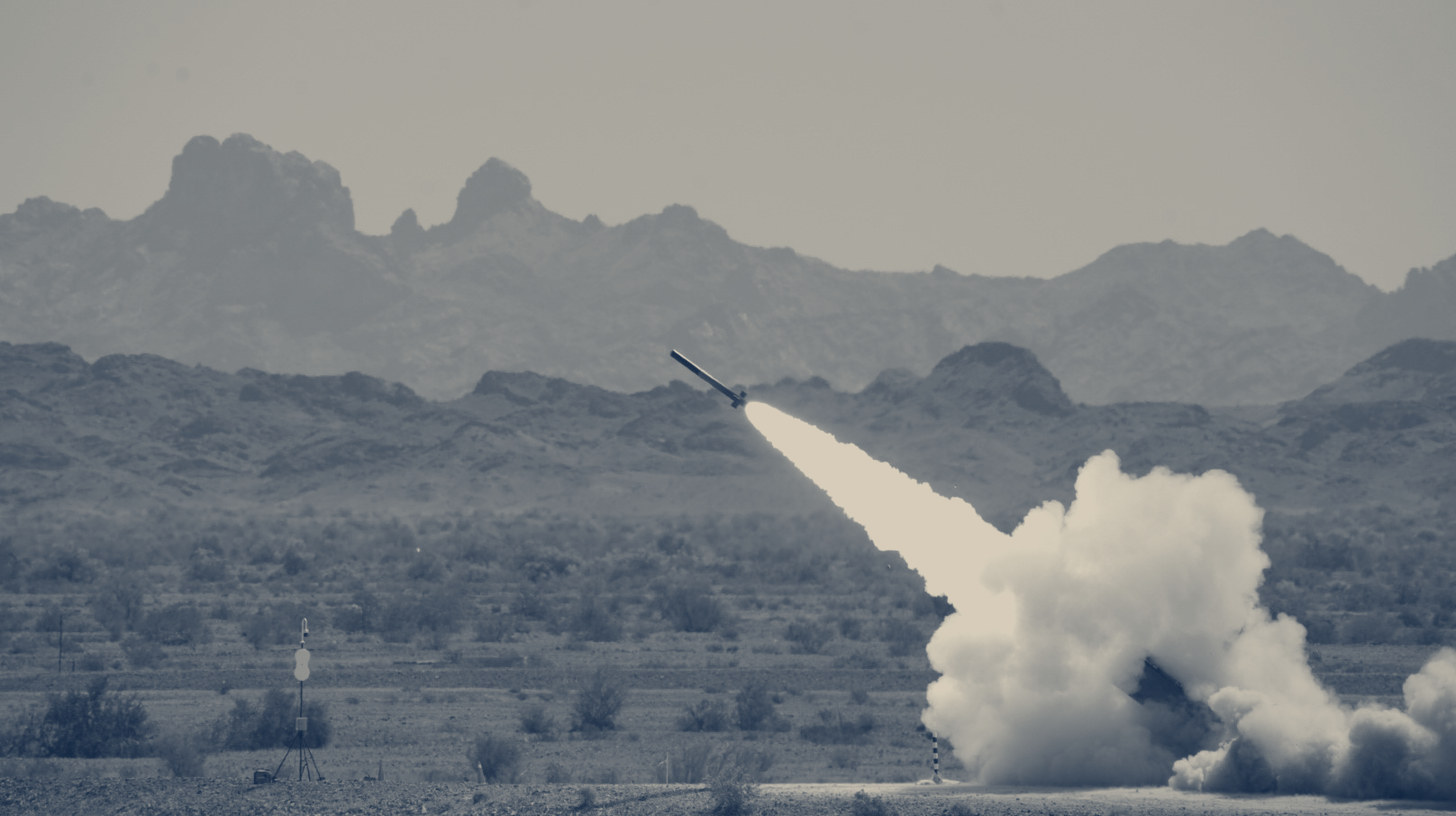
The Pentagon is requesting $50 billion in reconciliation funding to scale autonomous and robotic systems production from thousands to millions of units, Defense Secretary Pete Hegseth announced at the Project Agincourt panel. The request is separate from the fiscal 2027 Drone Dominance budget, which includes $53.6 billion across unmanned systems, counter-unmanned capabilities, and collaborative autonomy.
What's happening
- Pentagon seeks $50 billion in reconciliation funding to accelerate autonomous and robotic systems production to unprecedented scale.
- Request sits outside the FY2027 Drone Dominance budget request of $53.6 billion, which includes $16.9 billion for unmanned-system procurement and $14.4 billion for counter-unmanned systems.
- Army's Drone Dominance program funded 340,000 small unmanned aircraft systems over two years in December 2025 announcement, with tens of thousands expected in 2026 and hundreds of thousands by 2027.
- Pentagon aims to produce hundreds of thousands of one-way attack systems this year and millions in years to come.
Why it matters
- Production scaling to millions of units annually requires capital investment in manufacturing capacity, tooling and supply chain infrastructure beyond current industry capability.
- Lowering barriers for new entrants expands the industrial base beyond traditional contractors, potentially increasing competition and reducing per-unit costs on high-volume systems.
- Operating at unprecedented production rates demands coordination across Army test ranges, autonomous-systems integration and operator training to ensure fielded capabilities match procurement volumes.
Going deeper
- The $53.6 billion Drone Dominance budget allocates $4.5 billion for collaborative autonomy and $4.3 billion for institutional systems and personnel, addressing software, coordination and training infrastructure.
- Acting Army Secretary Adam Telle described plans to broaden access to test ranges and coordinate autonomous-systems efforts across drones, ground systems, fires and lift platforms.
- Pentagon is removing bureaucratic barriers and identifying regulations that can be changed without new legislation to accelerate technology adoption.
Financial impact
- The $50 billion reconciliation request represents one-time investment funding rather than recurring annual allocation, intended to establish production infrastructure and capacity.
- Timing of reconciliation funding and budget impact on defense contractors' revenue recognition and backlog expansion not disclosed.
- Army's $1 billion Drone Dominance initiative from December 2025 represents near-term procurement obligations with 340,000 unit commitments over two years beginning 2026.
The intrigue
- Pentagon has not disclosed whether the $50 billion reconciliation request and the $53.6 billion Drone Dominance budget represent separate funding streams or overlapping accounts.
- Strategy to open defense market to new entrants while maintaining relationships with established contractors creates uncertainty about work allocation and margin pressure across the industrial base.
- Production targets of millions of units annually exceed current domestic autonomous systems manufacturing capacity, raising questions about which companies will actually capture the volume and whether foreign sourcing may occur.
The fine print
- Reconciliation funding request requires congressional approval and may face political headwinds distinct from the standard defense appropriations process.
- Pentagon has not disclosed terms for new entrant access to programs, contracting mechanisms or whether additional domestic manufacturing incentives will be required.
Source: Defense News · Oct 14, 2026 · Drafted with Claude, reviewed by Industrial Base Alpha.