Mentioned:Georgia Tech Research Institute
The U.S. Army is preparing an imminent award for the Common Autonomous Multi-Domain Launcher (CAML) Medium platform within 30 days, following completion of source selection. The service plans to consolidate multiple existing launcher platforms into 3 variants across Medium, Light, and Heavy configurations.
What's happening
- Army to award CAML Medium platform contract within 30 days after finishing source selection, per Lt. Gen. Frank Lozano, program acquisition executive for fires.
- Georgia Tech Research Institute already selected as weapon systems integrator for CAML Medium, receiving $33.4 million deal in September 2024 as first key step in development.
- CAML Light partnership with Australia to initiate in 2027, with potential prototype selections in spring 2027 and live fire demonstration at Talisman Sabre exercise June-July 2027.
- CAML Heavy variant planned for launch around 2028-2029 timeframe to handle larger missile systems including Leviathan and Long-Range Hypersonic Weapon.
Why it matters
- CAML consolidates multiple existing Army launcher platforms, each with its own unique launcher, down to maximum of 3 variants, reducing production and supply chain complexity.
- CAML Medium designed at 36,000-pound gross vehicle weight rating to carry diverse munitions including Tomahawk, PAC-3 MSE, MLRS family, and indirect fire protection interceptors.
- Multi-domain autonomous capability addresses Army modernization priority for fires systems that are air-transportable and optionally crewed to support joint operations.
- International partnership with Australia for CAML Light expands allied interoperability and potential foreign military sales revenue opportunities for eventual production.
Going deeper
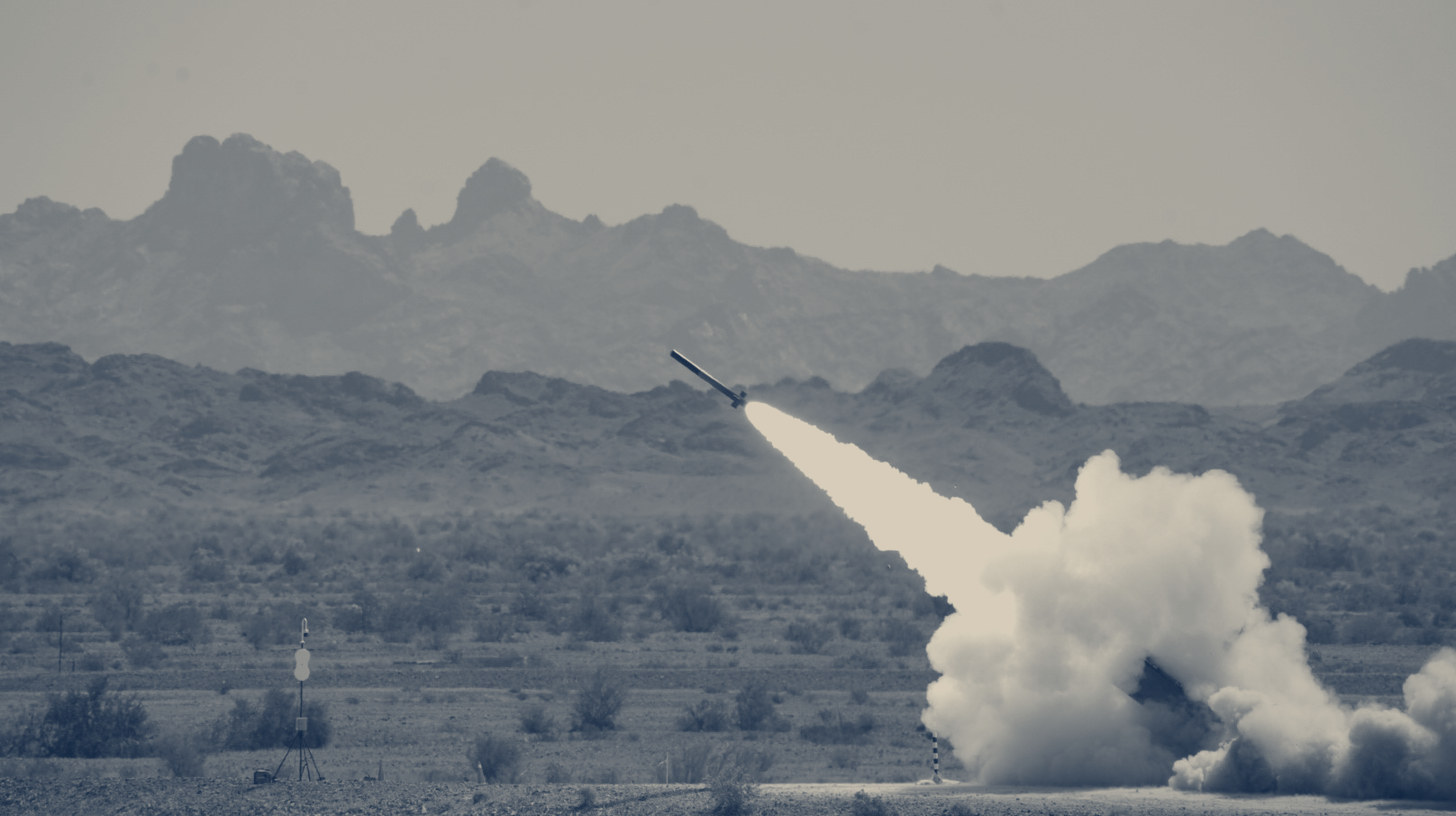
- Army conducted live fire test of Reduced Range Practice Rocket from autonomous multi-domain launcher at Yuma Proving Ground in April 2024 to validate autonomous firing capability.
- CAML Medium defined at 36,000-pound weight after initial industry proposals came in heavier than required; Army reassessed munitions mix and employment concepts with combatant commands.
- Subsequent awards beyond GTRI contract will cover autonomous mobility platform and additional program components, with timing in coming months.
- Army plans RFI and industry day for CAML Light, followed by prototype selections and potential downselect award post-demonstration.
Financial impact
- Georgia Tech Research Institute received $33.4 million fixed-price development contract in September 2024 for CAML Medium weapon systems integration work.
- CAML Medium award value and ceiling not disclosed; revenue recognition will follow contract performance schedule after award within 30 days.
- Timing of subsequent component awards (autonomous mobility platform and other subsystems) not disclosed but expected in coming months after primary platform award.
- CAML Light and Heavy programs have no disclosed contract values or obligation timelines; Australian partnership structure and funding not disclosed.
The intrigue
- Army shifted strategy from concurrent Medium and Heavy development to sequential Medium-first approach after learning industry platforms exceeded weight targets; whether this delays heavy fires capability is unclear.
- CAML Light with Australia may precede CAML Heavy by 12-18 months, potentially creating integration challenges if Light variant design drives requirements for later Heavy platform.
- Autonomous resupply capability ('inherent' versus separate vehicle) remains unresolved design choice that could affect platform architecture across all three variants.
The fine print
- CAML Medium award is imminent within 30 days but not yet finalized; source selection complete but approval and contract signing pending.
- CAML Light and Heavy timelines described as flexible; Army will 'massage and adjust' based on industry delivery capabilities and emerging requirements.
- CAML platforms described as potential augmentation or replacement for existing Army launchers; full scope of launcher retirement and recapitalization not defined.
- CAML Light live fire demonstration at Talisman Sabre 2027 is contingent; downselect award timing depends on demonstration success.
Source: Defense Daily · Oct 14, 2026 · Drafted with Claude, reviewed by Industrial Base Alpha.