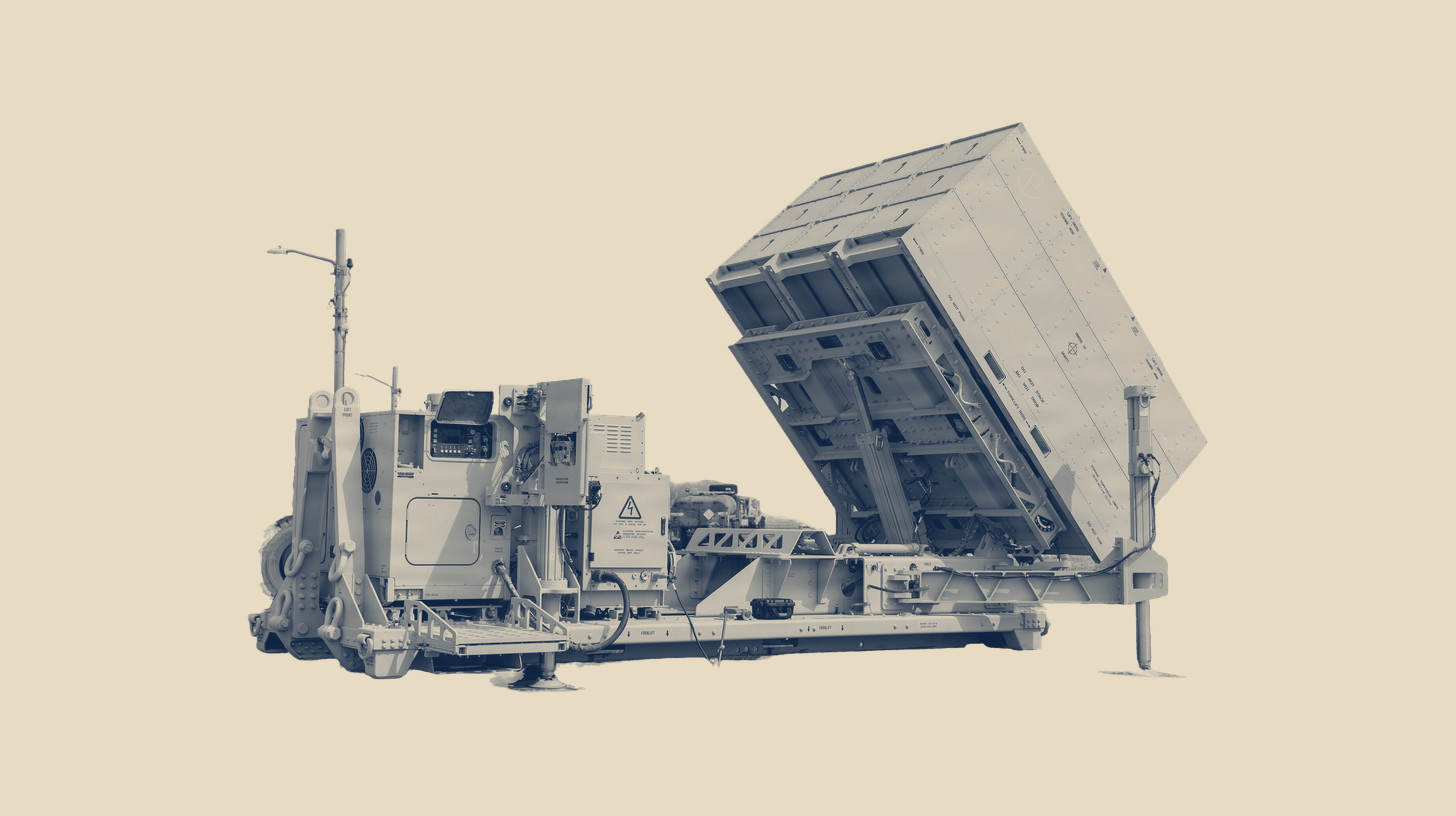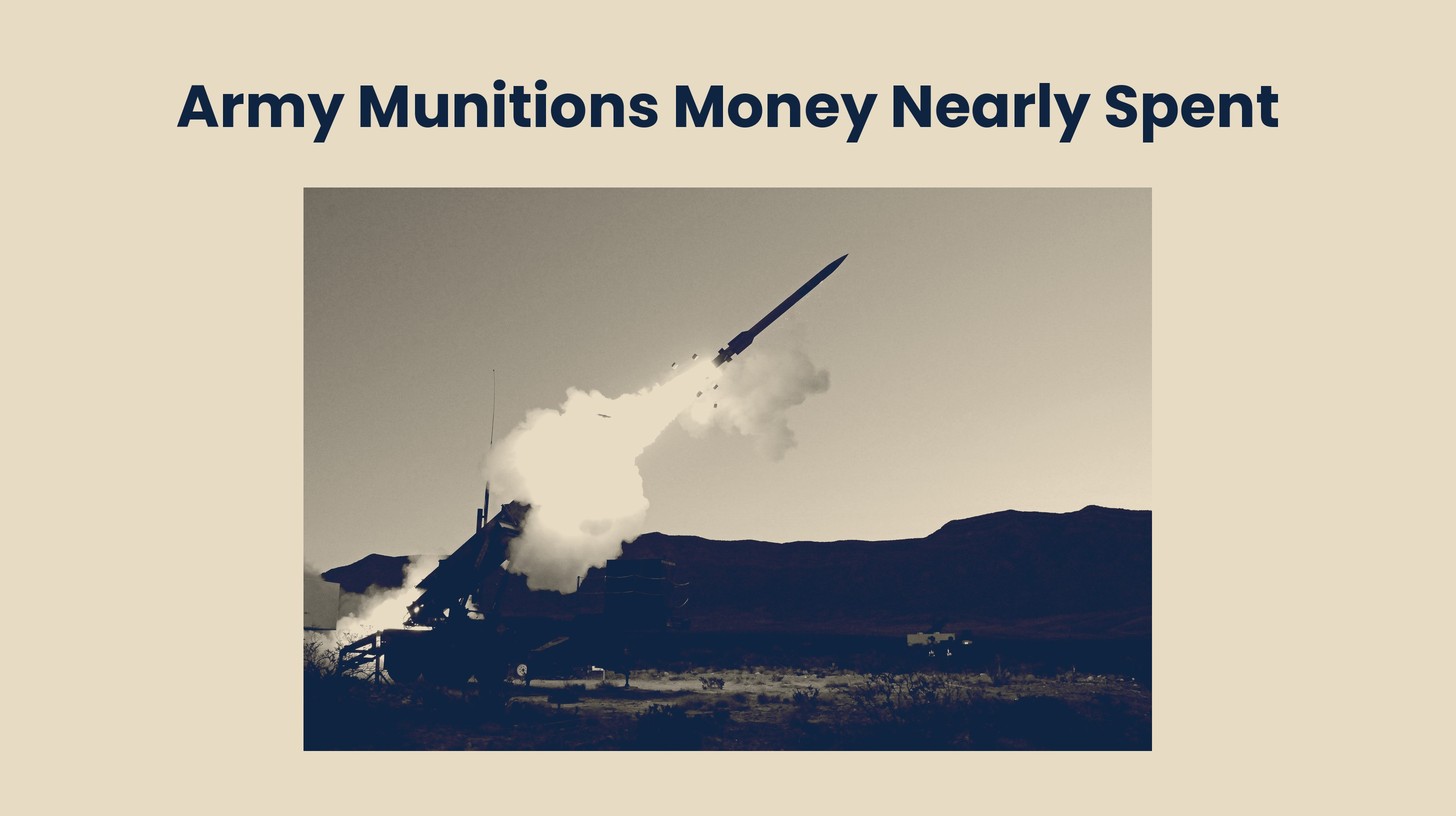
Hadrian announced a seven-year production agreement with Lockheed Martin to operate an automated manufacturing facility inside Lockheed's Grand Prairie plant. The partnership directly supports Lockheed's Pentagon contracts to triple PAC-3 production and quadruple PrSM output.
What's happening
- Hadrian will install 24 automated machines at Lockheed's Grand Prairie facility, with another 24 in Arizona for overflow capacity, producing components for PAC-3 MSE, THAAD, PrSM, and GMLRS missiles starting January 2027.
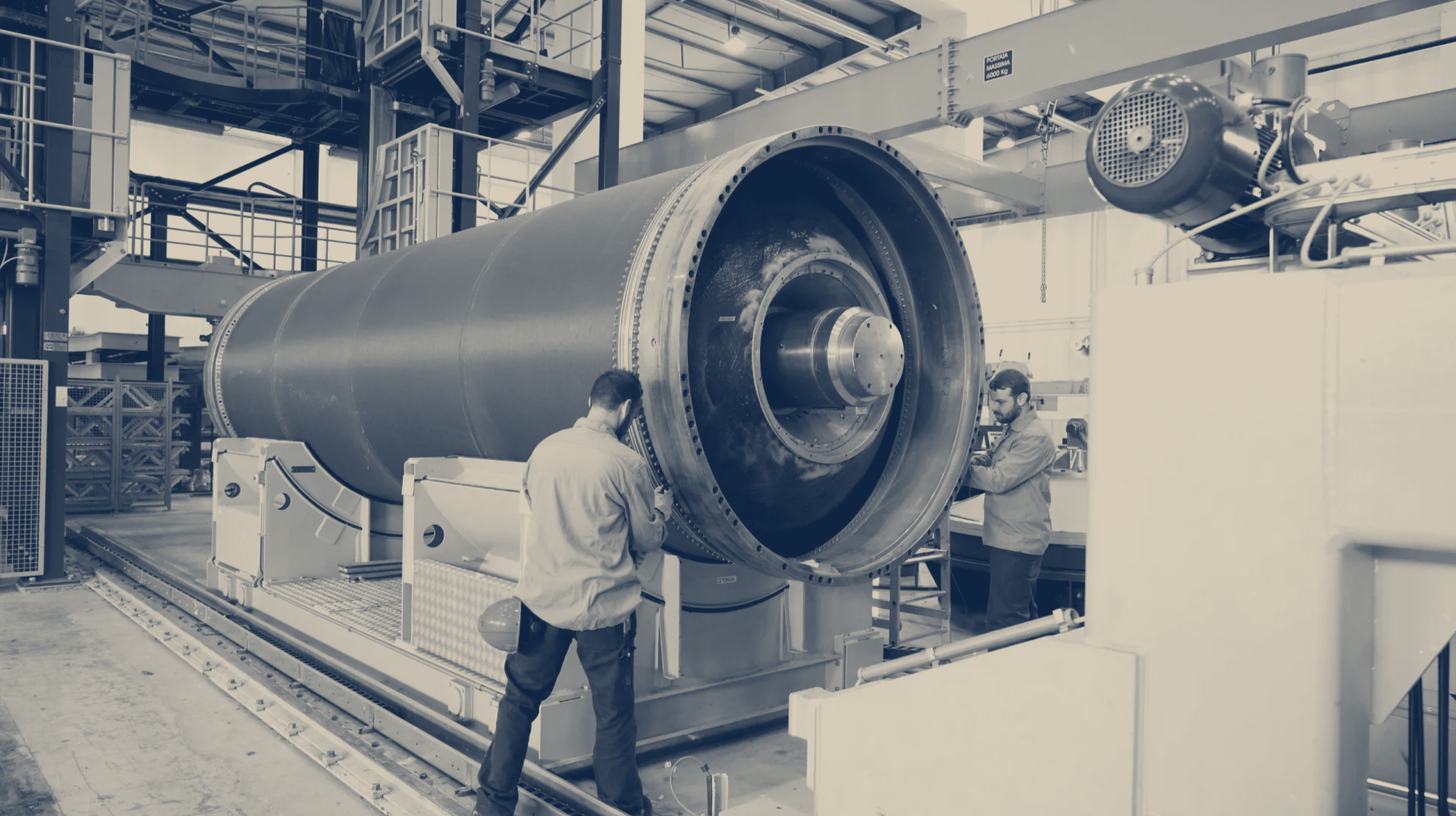
- The facility operates as a factory-within-a-factory model, with Hadrian's software and team co-running the operation alongside Lockheed's operators.
- Hadrian currently operates four dedicated facilities totaling 2.85M square feet across California, Arizona, and Alabama, already producing missile components for PAC-3s, PrSMs, THAADs, and submarines.
- The partnership follows a memorandum of understanding signed in early 2026 and represents the first time a major defense prime has contracted with a specialized manufacturing technology company in this model.
Why it matters
- Lockheed won Pentagon contracts totaling over 60 billion dollars to triple PAC-3 production from 600 to 2,000 units annually and quadruple PrSRM output, requiring manufacturing capacity Lockheed's organic production could not meet.
- Hadrian's automated, software-driven factory approach addresses critical bottlenecks in precision missile component manufacturing at the scale required by Pentagon demand.
- The partnership demonstrates integration of specialized manufacturing capability into prime contractor facilities, potentially reducing program risk and accelerating delivery schedules for critical air defense and precision strike systems.
Going deeper
- Hadrian's Opus software automates production line optimization and worker training, enabling 24/7 dark factory operations with minimal human intervention.
- Hadrian maintains digital connections between the Grand Prairie facility and its Arizona Factory 3, allowing real-time work-sharing and overflow management for Lockheed's component orders.
- The facility will operate around the clock at Grand Prairie with lights-on operations and lights-out operations in Arizona for continuous buffer capacity.
Financial impact
- Hadrian secured a Series D funding round of 1.73 billion dollars at a 7.87 billion dollar valuation in recent months, with cumulative funding of 2.34 billion dollars, funding expansion into this Lockheed partnership and other dedicated facilities.
- Lockheed Martin's balance sheet will reflect capital expenditure for the 60 billion dollar Pentagon contracts over their performance periods, with revenue recognition tied to production milestones and delivery schedules for PAC-3 and PrSRM units.
- The agreement creates recurring revenue streams for Hadrian over the seven-year term through service and manufacturing fees, timing and amounts not disclosed.
The intrigue
- Hadrian's ability to scale production simultaneously across two geographies with digital thread connectivity signals a potential blueprint for other defense primes facing similar capacity constraints, raising questions about Hadrian's bandwidth and whether this model extends to competitors.
- The partnership operates inside Lockheed's facility under Hadrian's control and software, creating operational and intellectual property considerations regarding defense contractor autonomy and supply chain dependencies.
The fine print
- Specific terms of the production agreement, including per-unit pricing, minimum volume guarantees, and performance penalties, remain undisclosed.
- Production ramp-up begins January 2027, with ongoing capacity sharing between Grand Prairie and Arizona facilities subject to Lockheed's actual demand.
- Agreement covers PAC-3 MSE, THAAD, PrSM, and GMLRS missiles, with initial focus on PAC-3 and PrSRM components.
Source: tectonicdefense.com · Oct 15, 2026 · Drafted with Claude, reviewed by Industrial Base Alpha.