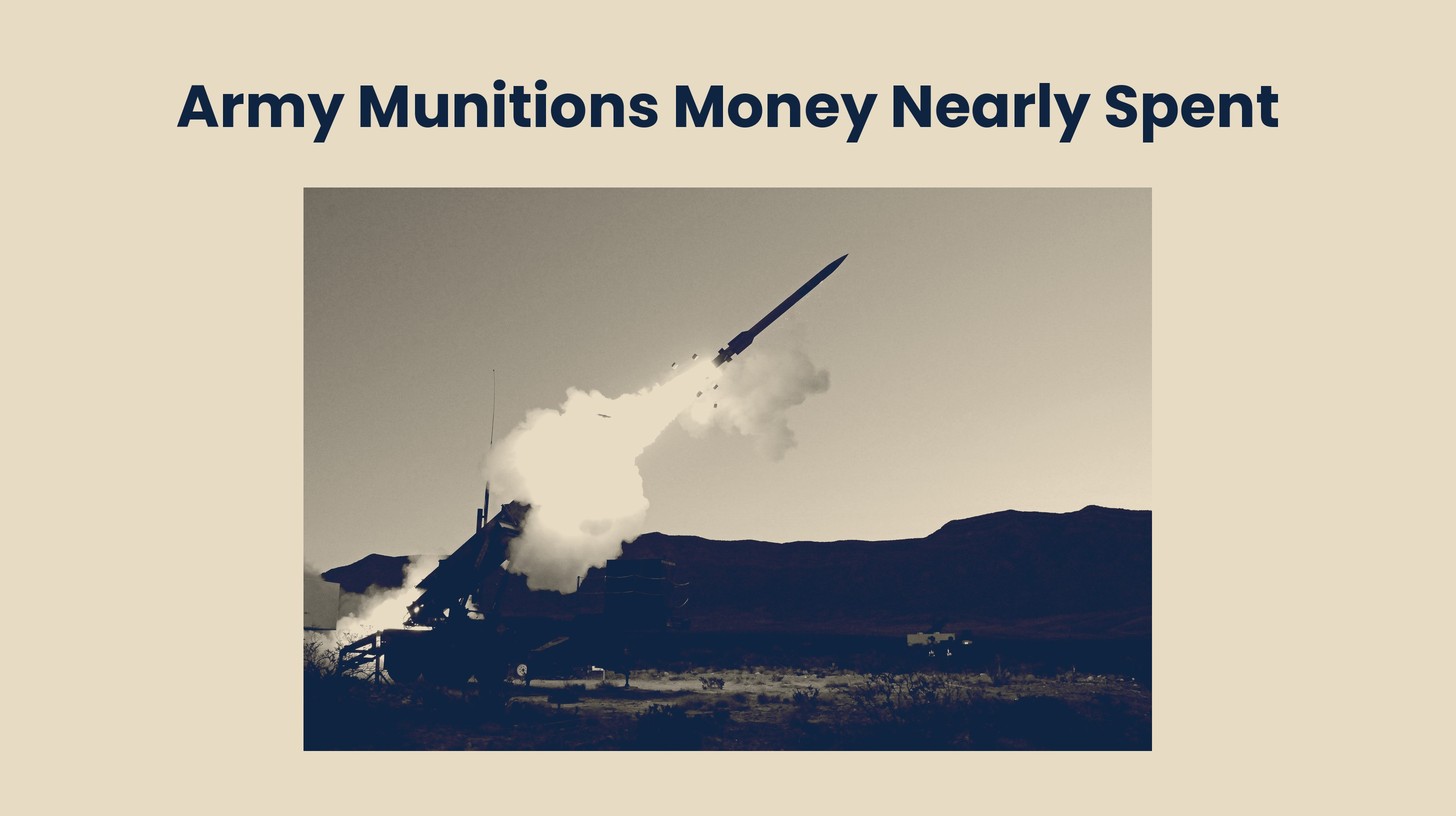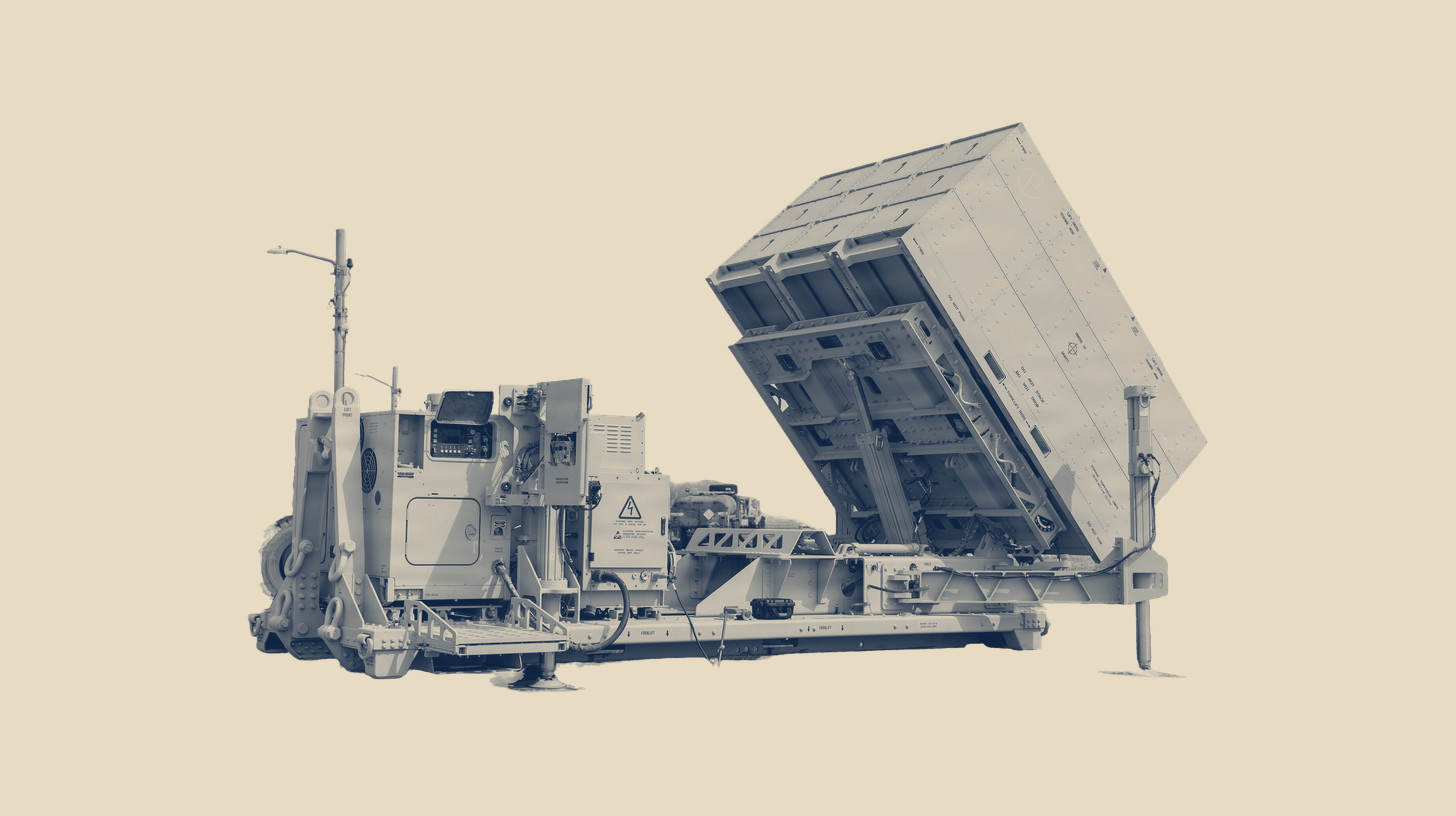
The U.S. Army is moving away from single-interceptor air defense systems toward platforms capable of firing multiple missile types across five named programs: LCI, NGSRI, NGCM, Second Interceptor, and Future Interceptor. The shift, driven by lessons from the Iran conflict, aims to reach 4,000 to 8,000+ annual missiles across diverse capability tiers.
What's happening
- The Army is executing five concurrent interceptor programs to replace or supplement existing single-missile systems, breaking from historical practice of selecting one winning design per requirement.
- LCI seeks a lower-cost Patriot interceptor capped at $1 million per unit versus PAC-3 MSE's $4 million average cost; NGSRI replaces Stinger with vehicle and man-portable compatible missiles.
- NGCM integrates counter-drone missiles into existing Coyote launchers; Second Interceptor provides cruise-missile defense for Enduring Shield with Lockheed Martin and Boeing-Anduril competing; Future Interceptor targets hypersonic threats for Patriot.
- Lt. Gen. Frank Lozano stated the goal is 4,000 to 8,000 annual missiles across capability tiers, with PAC-3 MSE production targeting 2,000 units per year alongside lower-tier and specialized interceptors.
Why it matters
- Single-interceptor dependency created supply bottlenecks and supplier concentration risk; multi-interceptor platforms enable parallel production across multiple vendors and reduce reliance on any one missile or manufacturer.
- The shift addresses operational lessons from Iran conflict where munition stockpiles and sourcing alternatives proved critical; diversified inventory improves sustainment and reduces logistics vulnerability.
- Production scaling to 4,000-8,000 annual missiles requires multiple contractors and manufacturing lines; this expands the industrial base capacity beyond current single-source constraints.
Going deeper
- The Army already fields Enduring Shield with multi-interceptor capability but currently acquires only AIM-9X Sidewinders for it, illustrating the gap between platform design and procurement practice the new strategy closes.
- The Army placed its first order in decades for PAC-2 GEM-T missiles in 2026, an older interceptor design, signaling willingness to sustain production of lower-cost alternatives rather than consolidate on premium systems.
- Lt. Gen. Lozano indicated frustration with traditional five-year program timelines and stated the Second Interceptor program may compress to 24 or 36 months to accelerate capability delivery.
- Historical precedent shows Army air defense procurement evolved single winners; Patriot (with PAC-3 MSE dominance), Stinger, and THAAD each relied on one primary interceptor type.
The fine print
- LCI unit-price ceiling of $1 million is a requirement, not a guaranteed outcome; actual development costs and production quantities remain to be determined.
- Second Interceptor is in phase two with two competitors (Lockheed Martin; Boeing teamed with Anduril); program structure, timeline, and final selection method not disclosed.
- Future Interceptor status and timeline not disclosed; described only as addressing hypersonic threats for Patriot.
- Target production numbers of 4,000-8,000 annual missiles are stated as goals, not obligated commitments; funding profiles and FYDP allocations not provided.
Source: twz.com · Oct 14, 2026 · Drafted with Claude, reviewed by Industrial Base Alpha.