
Mentioned:No public companies identified
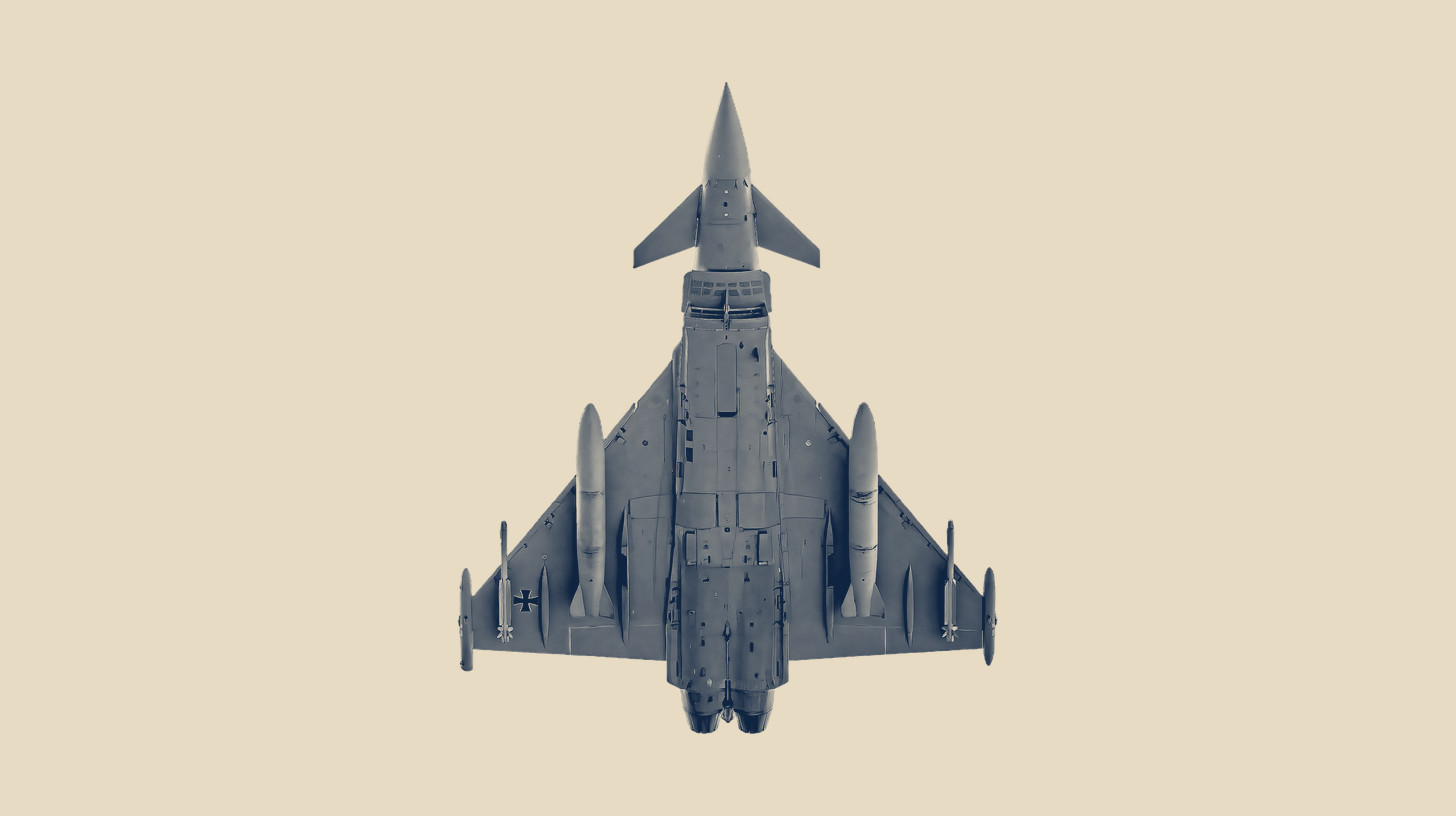
Germany committed 750 billion euros to defense spending from 2026 to 2030 after passing a March 2025 constitutional amendment that exempted military expenditure from domestic fiscal ceilings. The expansion addresses both security concerns and industrial capacity by using military procurement to sustain precision manufacturing and skilled labor facing Chinese competition.
What's happening
- Germany allocated 750 billion euros in defense spending for 2026-2030, nearly double France's projected 338.2 billion euros for the same period.
- German defense spending grew from 46.6 billion euros in 2021 to 86.5 billion euros in 2025, with 750 billion euros budgeted across the five-year period.
- A March 2025 constitutional amendment exempted German defense expenditure from domestic budgetary ceilings, enabling the expansion despite European Union debt rules.
- The Bundestag passed the spending measure by 512 votes to 206 in a special session on March 18, 2025, before the newly elected parliament convened.
Why it matters
- Germany lost approximately 10,000 industrial jobs monthly, and military spending creates sustained demand for precision engineering, automotive parts, propulsion systems, and advanced materials.
- Defense procurement preserves skilled labor networks and supplier capabilities in sectors facing shrinking civilian markets, particularly automotive and capital goods manufacturing.
- The expansion directly counters Chinese industrial overcapacity flooding European markets, where Chinese competitiveness stems partly from estimated 16-30 percent currency undervaluation and three to eight times more government support than OECD firms.
- Industries exposed to Chinese competition overlap with military production capabilities: precision engineering, vehicles, propulsion, optics, electronics, software, machine tools, and advanced materials.
Going deeper
- Germany frames the spending as military Keynesianism, using deficit-financed procurement to revive economic growth while addressing European security concerns following Russian aggression.
- The agreement passed in a narrow constitutional window: the outgoing Bundestag retained its two-thirds majority needed for a Basic Law amendment, which the incoming parliament would have lacked.
- Mainstream parties across the Christian Democratic Union, Social Democratic Party, and Greens supported the measure, while the Free Democratic Party, Alternative for Germany, Die Linke, and Bündnis Sahra Wagenknecht opposed it.
Financial impact
- German defense budget increases from 86.5 billion euros in 2025 to an average of 150 billion euros annually over 2026-2030 based on the 750 billion euro allocation.
- The constitutional amendment allows Germany to exceed European Union deficit rules of 3 percent of GDP for annual deficits; a defense escape clause permits 4.5 percent annual deficits through 2028 if other fiscal conditions are met.
- Defense procurement creates long-duration demand contracts for German precision manufacturers, automotive suppliers, and advanced materials producers currently losing market share to Chinese competitors.
The intrigue
- The central unanswered question is whether bulk defense investments will rebuild Germany's previous automotive and capital goods strengths or develop new military-specific capabilities and industrial sectors.
Source: warontherocks.com · Oct 20, 2026 · Drafted with Claude, reviewed by Industrial Base Alpha.