Mentioned:No public companies identified
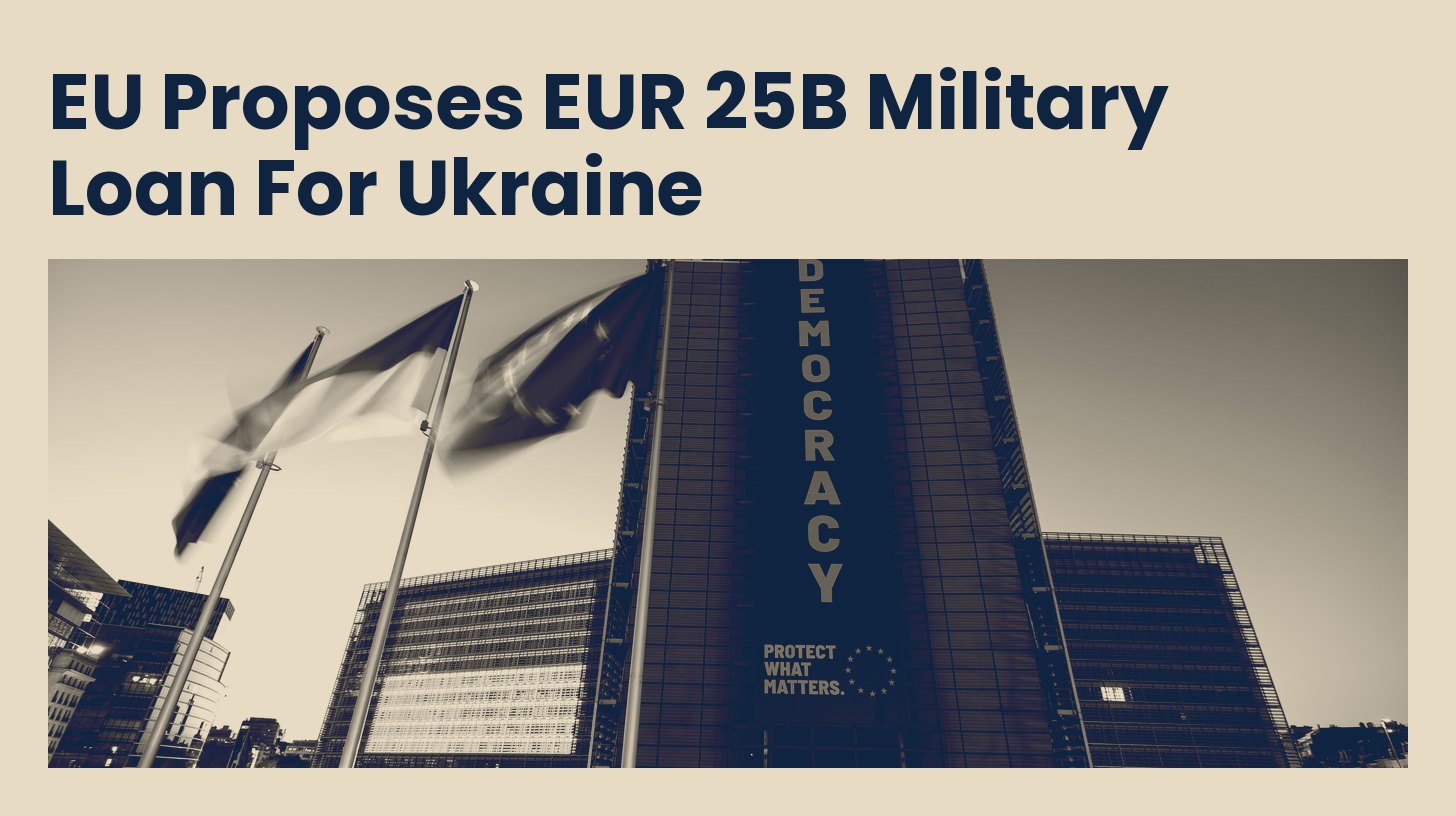
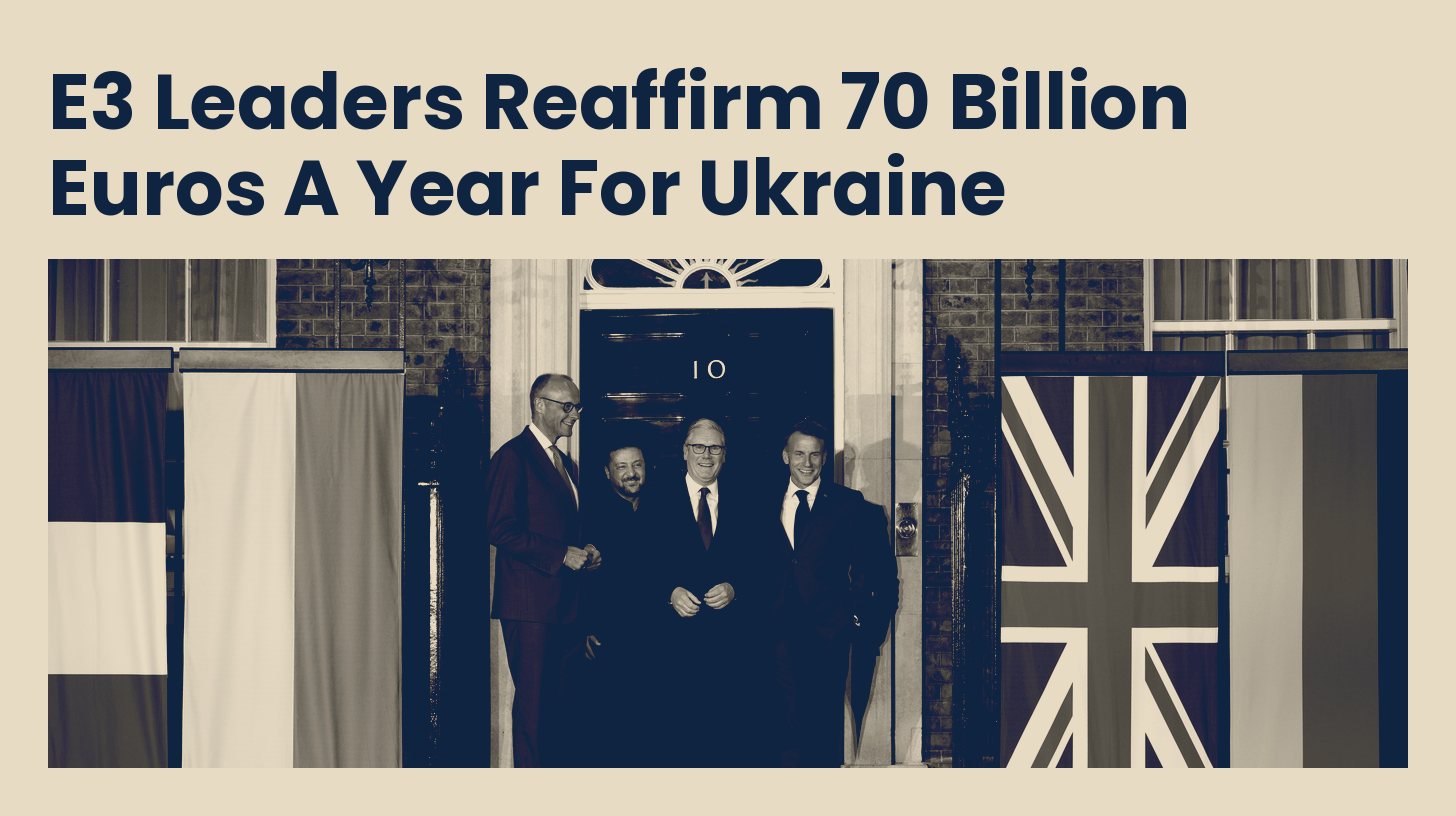
Germany, France, and Britain reaffirmed NATO's commitment to supply Ukraine with 70 billion euros in military equipment, assistance, and training annually through 2027. The European Union separately pledged 60 billion euros in defense lending and 30 billion in budget support.
What's happening
- Germany, France, and UK reaffirmed NATO pledge of 70 billion euros annually in military equipment, assistance, and training to Ukraine in 2026 and at least that amount in 2027.
- European Union committed 60 billion euros in defense lending and 30 billion euros in budget support to Ukraine through the next year.
- NATO and Ukrainian officials convened with European defense contractors at a NATO technology conference in Izmir, Turkey to deepen ties on modernization and anti-Russian defenses.
- French NATO commander Admiral Pierre Vandier described Russian cyber attacks against allied infrastructure and said alliance members are spending more on intelligence, surveillance, and reconnaissance capabilities.
Why it matters
- Sustained multiyear funding commitments signal Europe's decision to build long-term defense capacity independent of U.S. political shifts, directly increasing demand for European and Ukrainian-sourced munitions, training platforms, and cybersecurity systems.
- Direct contractor engagement at NATO conferences establishes supply chain relationships and technology-sharing protocols that will shape production rates and integration requirements across allied militaries through 2027.
- Hybrid Russian attacks on NATO member infrastructure justify increased ISR spending and civilian-military coordination investments, expanding the addressable market for drone detection, cyber defense, and battlefield data collection capabilities.
- Ukraine's platform for training AI models on battlefield data, now accessible to foreign contractors, creates incentive for arms makers to develop systems compatible with Ukrainian operational standards.
Going deeper
- French President Macron backed reopening the question of Ukraine's NATO accession, a move Putin has consistently opposed and that would reshape alliance defense commitments and industrial base requirements.
- European officials frame Russian drone and missile incursions into NATO territory as phase zero of a broader conventional conflict, justifying accelerated modernization spending beyond current Ukraine support packages.
- UK defense companies gained first foreign access to Avengers Labs, a Ukrainian Defense Ministry platform for training AI on battlefield-collected data, signaling Western contractor integration into Ukrainian defense innovation.
Financial impact
- Annual 70 billion euro military support commitment represents recurring revenue recognition for European and Ukrainian defense contractors over 2026 through 2027 fiscal years, with ceiling value exceeding obligated funds.
- EU's 60 billion euros in defense lending and 30 billion in budget support flows primarily to Ukrainian government accounts and contracted defense suppliers in calendar 2026 and 2027.
- Timing not disclosed on how the 70 billion euros will be allocated between equipment procurement, training, and logistics, affecting revenue recognition timing for different contractor categories.
The intrigue
- Trump administration's reported unhappiness with European funding plans and simultaneous softening of Russia sanctions creates policy friction; European officials are publicly doubling down on support while U.S. envoys reportedly float Ukraine NATO membership conditional on territorial concessions Kyiv has rejected.
- Russian officials called any Ukraine NATO prospect unacceptable, yet French and NATO officials are reframing Ukrainian accession as a possible outcome of the conflict, creating a tension between battlefield outcomes and alliance expansion that will shape defense spending trajectories.
The fine print
- The 70 billion euros represents at least the annual amount for 2027, leaving 2028 and beyond undefined and subject to renegotiation or new pledges.
- EU's 60 billion in defense lending and 30 billion in budget support are distinct buckets with different end-use restrictions and drawdown timelines, timing not disclosed.
- Contractor involvement described as deepened ties and modernization planning, but no specific contracts, procurement timelines, or platform exclusivity terms disclosed.
Source: defenseone.com · Nov 20, 2026 · Drafted with Claude, reviewed by Industrial Base Alpha.