Mentioned:BA BAE Systems
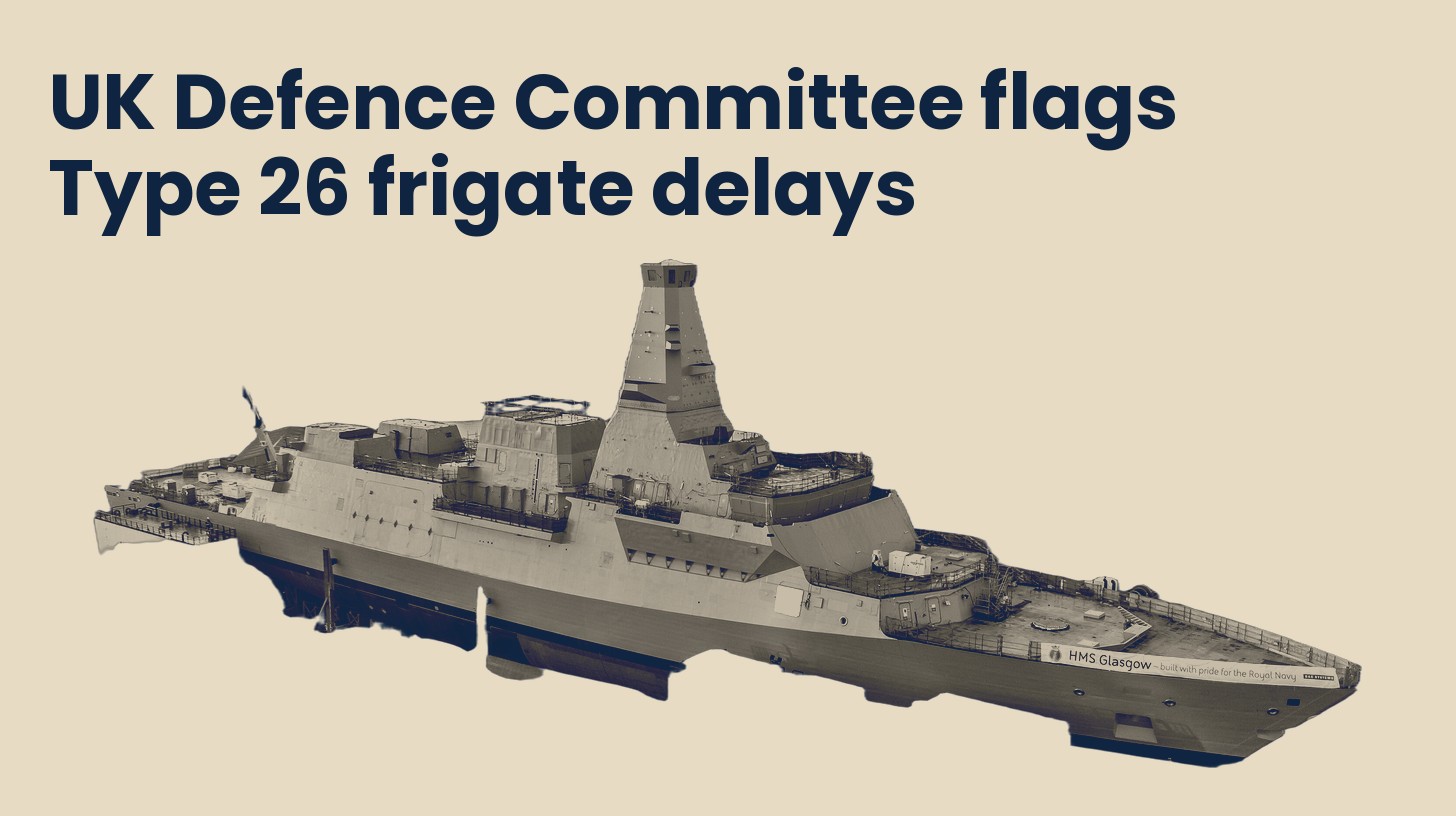
The UK Defence Committee identified a serious anti-submarine warfare gap in the Royal Navy, with only 5 of 8 required Type 23 frigates in service. The committee warned that diverting Type 26 frigates to Norway could postpone UK fleet readiness until 2037 and recommended no further Type 23 retirements until one-for-one replacement by Type 26s is achieved.
What's happening
- Royal Navy has 5 Type 23 frigates equipped with towed array sonar versus a requirement of 8, with numbers potentially remaining at 5 for the next 3 years.
- BAE Systems is building 8 Type 26 frigates for the Royal Navy, with the lead vessel scheduled to enter service in 2028.
- Norway ordered 5 Type 26s with delivery starting in 2030; should 2 UK vessels go to Norway, Royal Navy would not meet its towed sonar frigate requirement until 2037.
- Committee recommends no Type 23 retirements until Type 26s arrive on a one-for-one basis and calls for a classified assessment of 2030 capability gaps.
Why it matters
- Anti-submarine warfare frigates are critical to detecting Russian submarines in the High North and protecting the UK's nuclear-armed ballistic missile submarines.
- Current fleet readiness raises doubts whether the Royal Navy can sustain required maritime tasks by 2030 amid escalating Arctic threats from Russian presence.
- Production bottlenecks in shipbuilding labor and systems could force a choice between allied export commitments and UK operational capability.
- A 9-year gap between Type 23 retirements and full Type 26 availability undermines UK deterrence posture in Arctic waters where US support may not be available.
Going deeper
- Committee warned that climate change is opening previously inaccessible Russian bases and increasing Russian projection into the Atlantic and UK territorial waters.
- Royal Navy lacks under-ice capability for sustained operations beneath Arctic ice, limiting ability to contest Russian submarine operations in the High North.
- The Hybrid Navy program combining crewed and uncrewed vessels faces skepticism for Arctic operations; committee requested testing in High North conditions within one year before operational deployment.
The intrigue
- Committee's recommendation to keep Type 23s in service longer than planned creates a constraint on BAE Systems production allocation and allied commitments without expanding shipyard capacity.
The fine print
- The committee's one-for-one replacement recommendation is advisory; no binding policy decision or budget allocation is confirmed in the report.
- Classification of capability gap assessment means the full scope of UK-only operations risks remain undisclosed to public and parliament.
- Norway's delivery schedule assumes no diversion of vessels from UK orders; actual production schedules and industrial capacity expansion remain unspecified.
Source: Defense News · Oct 22, 2026 · Drafted with Claude, reviewed by Industrial Base Alpha.