Mentioned:Swift Beat$195M · Program/Policy
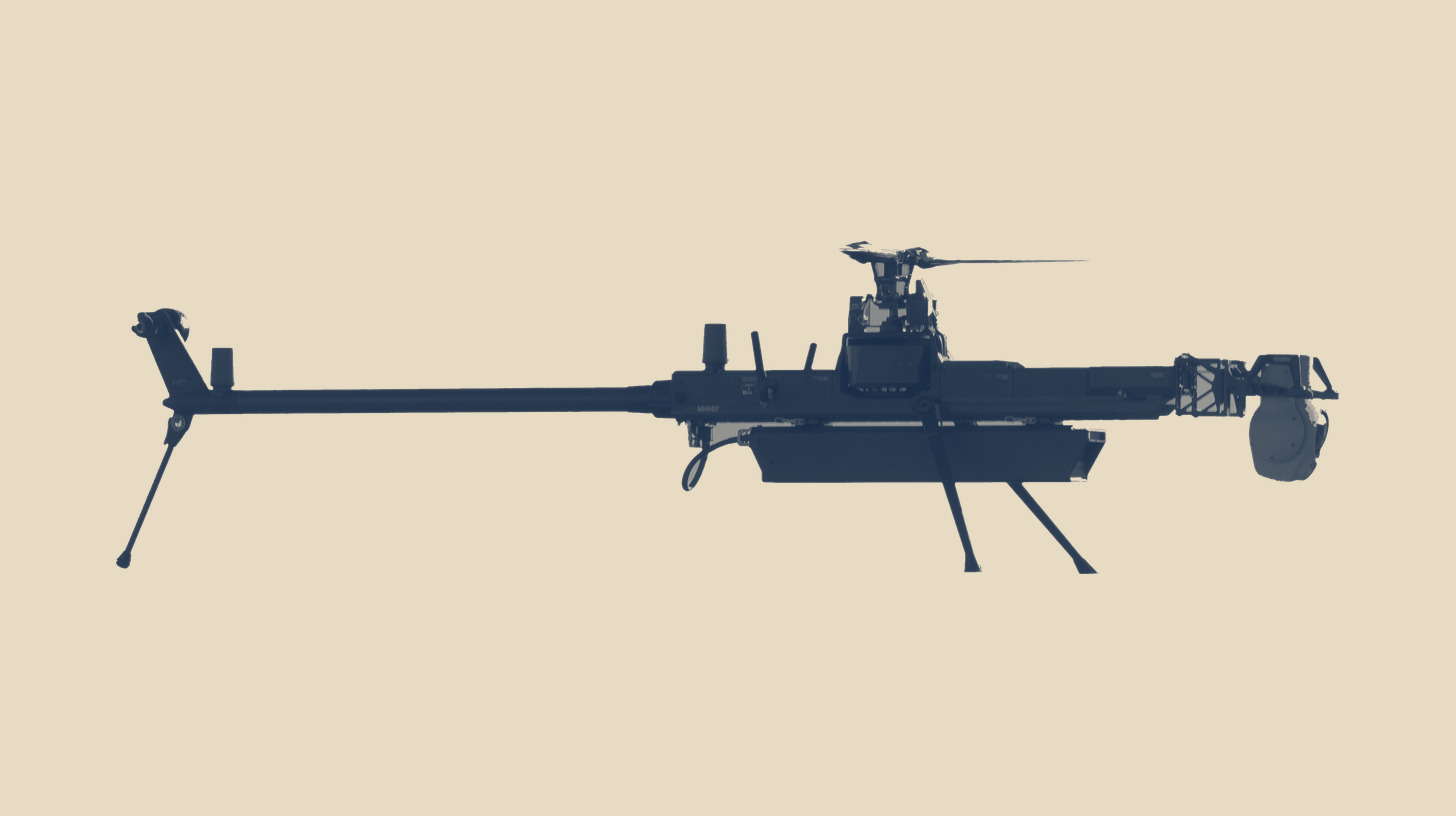
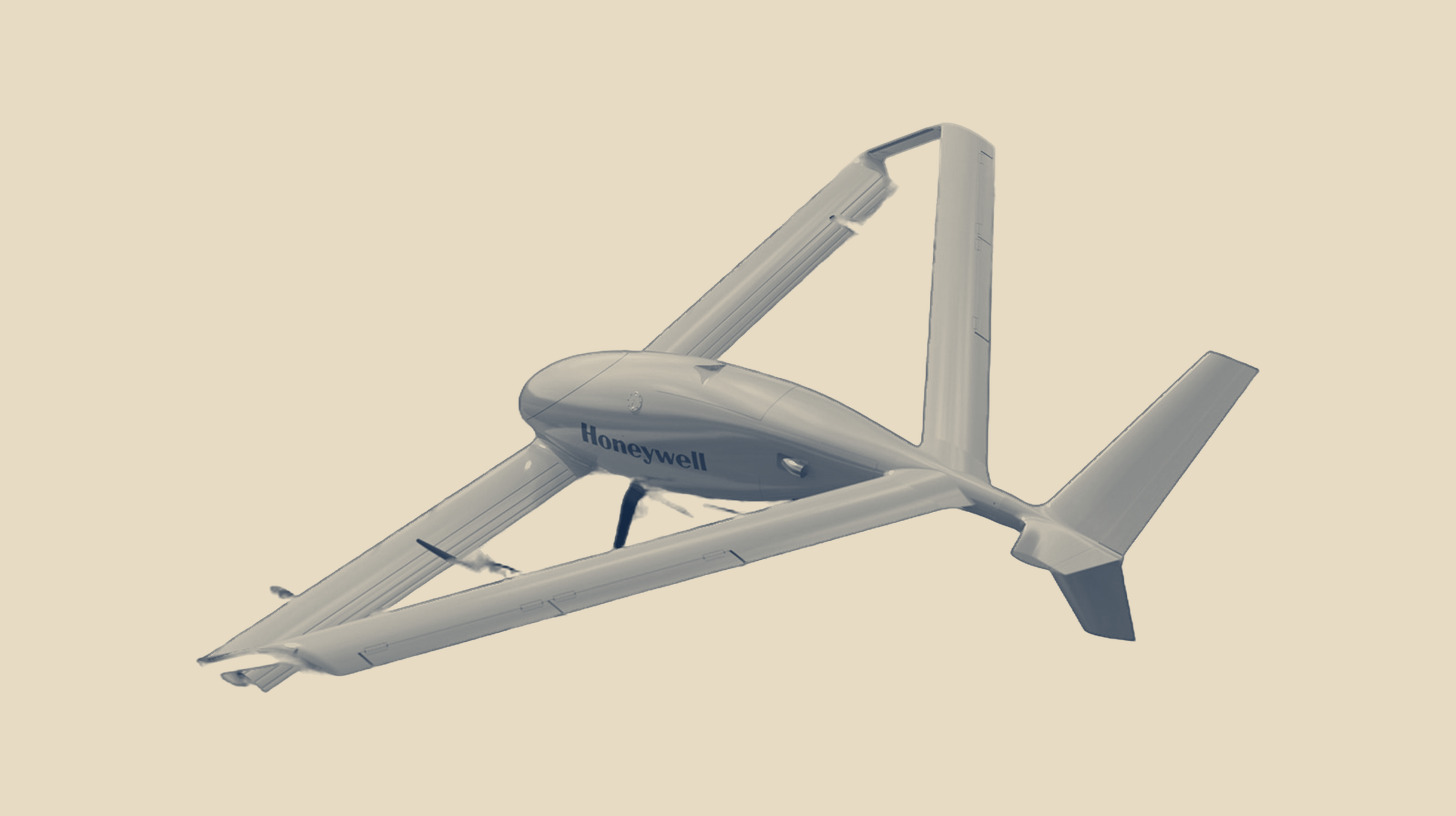
The U.S. Army elevated the Merops counter-UAS interceptor drone to program-of-record status in 142 days, then procured 13,000 units at roughly $15,000 each for rapid deployment to NATO partners and CENTCOM. The acceleration demonstrates a new acquisition tempo for combat-proven capabilities against one-way attack drones.
What's happening
- Army formalized Merops as a program of record in 142 days after initial field evaluation by NATO partners within 21 to 22 days.
- Joint Interagency Task Force procured 13,000 Merops interceptors at approximately $15,000 per unit for deployment to multiple theaters.
- System uses Surveyor drones as airborne interceptors with autonomous or remote-control modes and proximity-detonated warheads to defeat long-range attack drones.
- Merops originated under Project Eagle with contributions from Swift Beat, a company associated with former Google CEO Eric Schmidt.
Why it matters
- Merops addresses urgent counter-UAS capacity gap against Iran's Shahed-136 barrages in CENTCOM and Russian Shahed threats in Europe at one-tenth the cost of traditional air defense interceptors.
- Low unit cost of $15,000, potentially falling below $10,000 at scale, enables acquisition of larger interceptor quantities without competing for scarce air defense budgets or logistics.
- Rapid 142-day formalization and field deployment within weeks demonstrate Army's ability to compress acquisition cycles for proven capabilities, creating a template for future urgent requirements.
- Integration of Merops alongside NATO partner systems across two theaters establishes interoperable counter-drone architecture without lengthy joint-program negotiation.
Going deeper
- Army Secretary Daniel Driscoll testified that 13,000 Merops interceptors were purchased within approximately eight days after Iran conflict began, indicating pre-positioned contingency planning.
- Driscoll projected unit costs could eventually fall to $3,000 to $5,000 with larger production orders, creating economics where drone-on-drone defeat replaces expensive surface-to-air missiles.
- Ukraine combat employment against Russian Shahed/Geran drones provided validation data that shortened Army evaluation, though Col. Hill cautioned effectiveness varies by operational environment and terrain.
Financial impact
- Total procurement value of $195 million ($13,000 average times 13,000 units) will be recognized as program revenue over 2026 and 2027 as interceptors are delivered and fielded.
- Swift Beat and original Merops developer will receive production orders under the 13,000-unit commitment; timing and order tranches not disclosed in public statements.
- Driscoll's testimony projects per-unit cost reductions to $10,000 or below as near-term milestone, suggesting gross margin improvement for producer in H2 2026 or 2027 as production scales.
The intrigue
- Col. Hill's comment that system effectiveness "absolutely was influenced by Ukraine" but varies by terrain and urban versus desert employment raises questions about performance validation in CENTCOM's desert environment.
- Project Eagle involvement and Swift Beat's Google connection are not detailed in public record; extent of U.S. government backing and IP ownership structure remain undisclosed.
The fine print
- 13,000-unit procurement ceiling and obligated funds breakdown not disclosed; exact tranches and delivery schedule between NATO partners and CENTCOM not specified.
- Projected per-unit cost reductions to $3,000-$5,000 are contingent on larger future orders; current $15,000 unit cost reflects initial production rates on 13,000-unit buy.
- System performance varies by operational environment; Army retains decision authority on employment in Europe and other theaters after fielding inventory.
Source: twz.com · Oct 14, 2026 · Drafted with Claude, reviewed by Industrial Base Alpha.