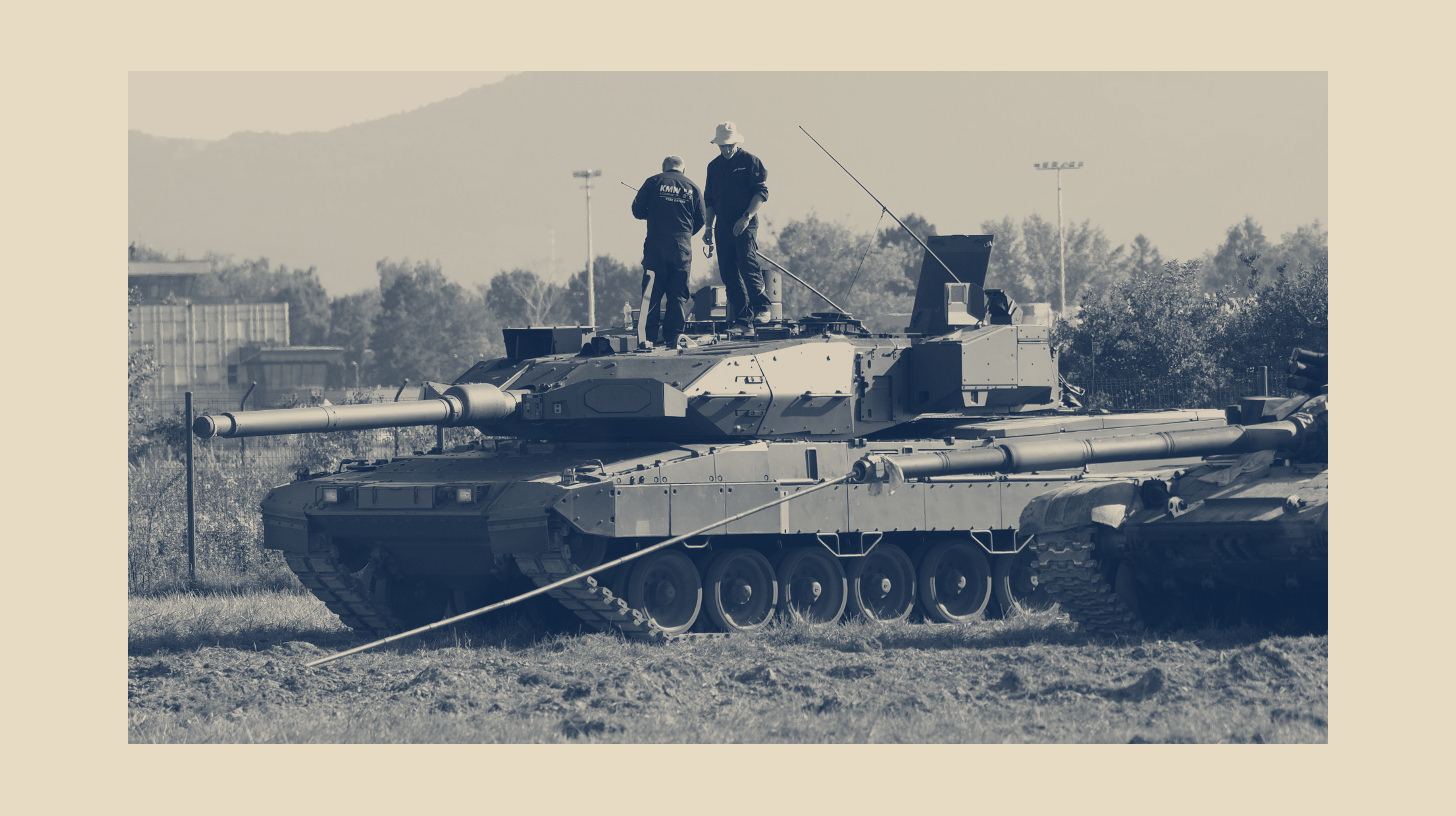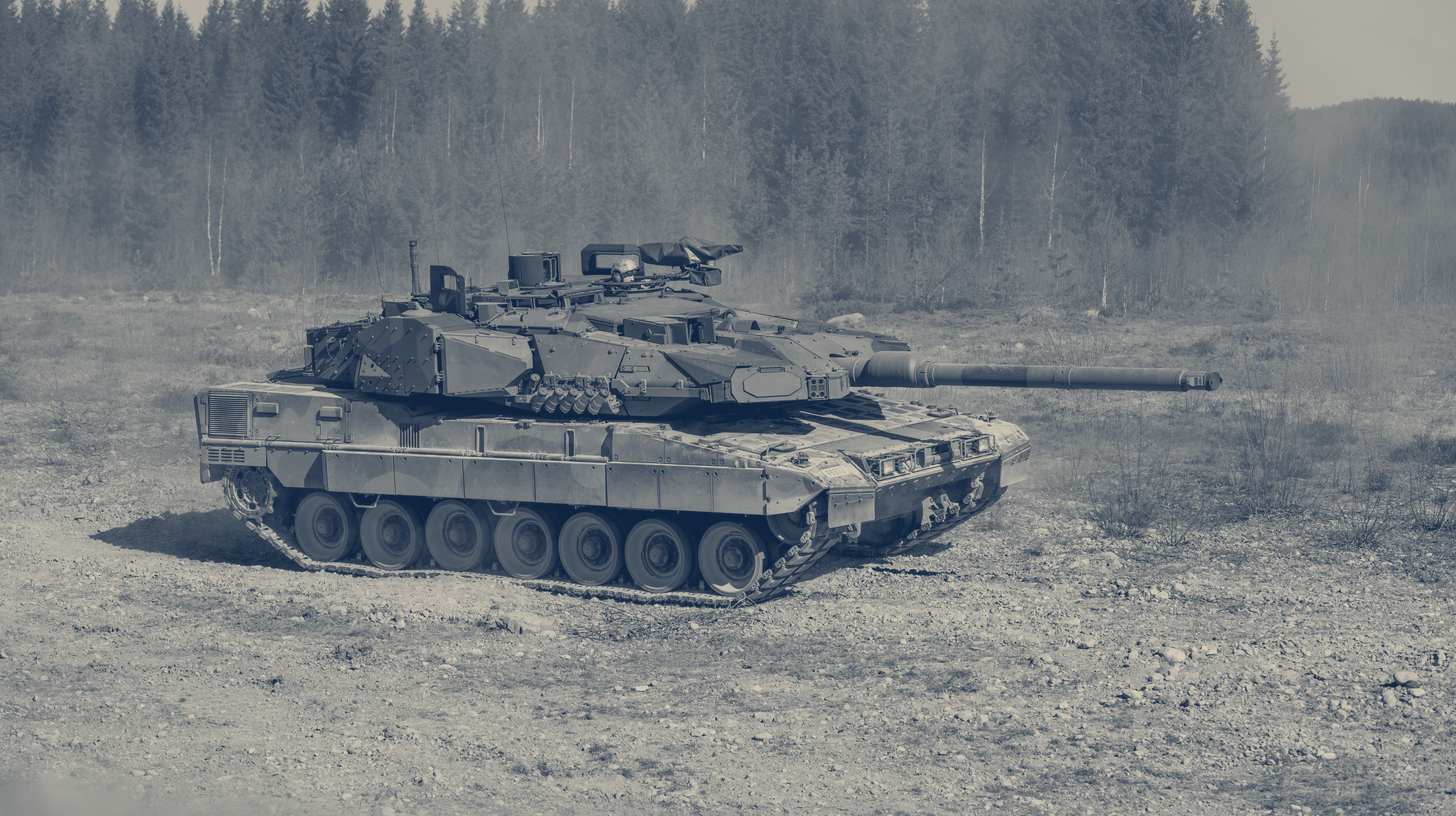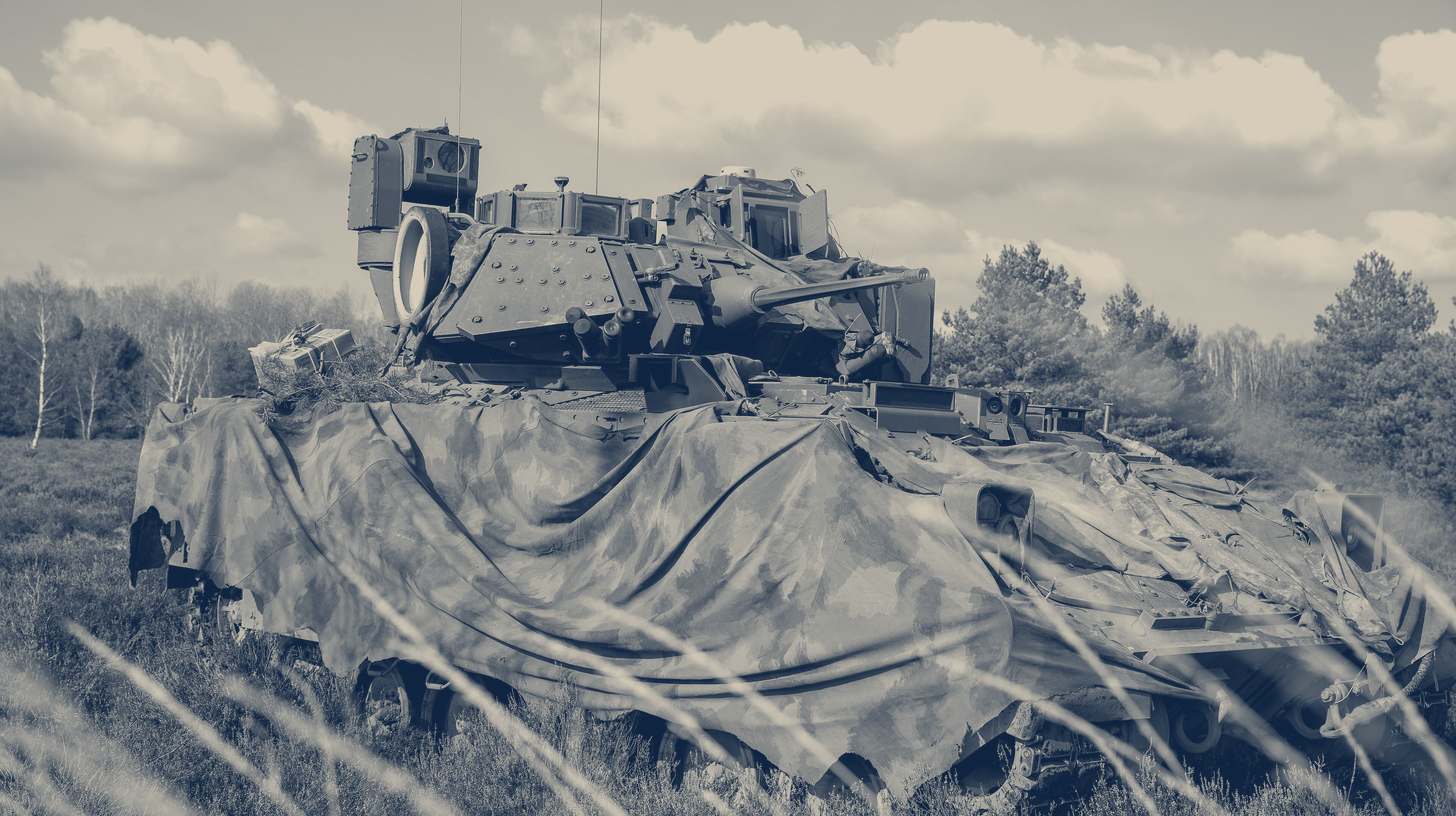
The Army will make open systems architecture a key criterion when selecting the winner of the XM30 Optionally Manned Fighting Vehicle between American Rheinmetall and General Dynamics Land Systems. Both vendors have delivered prototypes to Aberdeen Proving Ground for testing.
What's happening
- Brig. Gen. Troy Denomy, portfolio acquisition executive for ground maneuver, stated open systems architecture is hyper important to the XM30 downselect process.
- Both American Rheinmetall and General Dynamics Land Systems delivered 1 prototype each to Aberdeen Proving Ground for Army testing.
- Testing identified software capabilities requiring tweaks, particularly in subsystem communication, which both vendors addressed quickly using their open architectures.
- The Army requested 547 million dollars to procure 19 XM30s in FY27, though the House Appropriations defense subcommittee reduced that line to 33.1 million dollars.
Why it matters
- Open systems architecture enables the Army to rapidly integrate counter-UAS and emerging technologies as threats evolve, reducing platform obsolescence risk.
- The XM30 will replace the Bradley Fighting Vehicle as the centerpiece of armored formations, making architecture flexibility critical for decades-long service life.
- Prioritizing modularity in the downselect signals the Army's industrial base strategy: vendors must design for rapid technology insertion across future ground combat platforms.
- Early identification of software integration issues through prototype testing reduces production risk when the winning vendor scales to 19 vehicles.
Going deeper
- Denomy said it is too early to determine which vendor has implemented a more open architecture, despite both platforms demonstrating quick adaptation capability during testing.
- The Army is separately conducting experimental testing with BAE Systems' AMPV-30, a self-funded alternative equipped with a 30mm Kongsberg turret, to explore additional infantry fighting vehicle roles.
- Denomy emphasized the commitment behind XM30 is real and important, and that both offerings are viable despite the different funding trajectories and capability sets.
Financial impact
- The Army requested 547 million dollars in FY27 procurement funds for 19 XM30 vehicles, indicating revenue recognition will accelerate once a winner is selected and production ramps.
- House Appropriations defense subcommittee reduced the XM30 procurement line to 33.1 million dollars in the FY27 draft bill, creating backlog uncertainty and delaying near-term revenue recognition.
- Both vendors have absorbed prototype development costs; the winner will recognize production revenue over the delivery period for 19 vehicles, likely spanning multiple fiscal years.
The intrigue
- Despite both vendors demonstrating responsive open systems capabilities during prototype testing, the Army has not yet publicly assessed which company has a structural advantage in modularity or software interoperability.
- The 16-fold difference between the Army's 547 million dollar FY27 request and the House subcommittee's 33.1 million dollar allocation creates ambiguity about program momentum and congressional appetite for a full downselect award.
The fine print
- Congress has not yet passed the fiscal 2027 budget; the Army is operating under a continuing resolution, which may delay downselect announcement and production start.
- The exact technical parameters and weightings of open systems architecture in the downselect evaluation have not been disclosed; both vendors' compliance levels remain under assessment.
Source: Breaking Defense · Oct 16, 2026 · Drafted with Claude, reviewed by Industrial Base Alpha.