Furientis, a missile startup founded in 2025, raised $25 million in seed funding and won selection as one of four vendors competing in the U.S. Army's IFPC Inc 2 interceptor fly-off at the end of fiscal 2027. The company also secured its first funded Pentagon prototyping contract and unveiled a launcher with Rheinmetall.
What's happening
- Furientis was selected as one of four companies to compete in a U.S. Army fly-off scheduled for the end of fiscal 2027 for a second IFPC Inc 2 interceptor.
- The startup raised $25 million in seed funding led by Benchmark on October 6, 2026.
- Furientis won its first funded government contract, a prototyping agreement with the U.S. Department of War for a 100-mile-range interceptor.
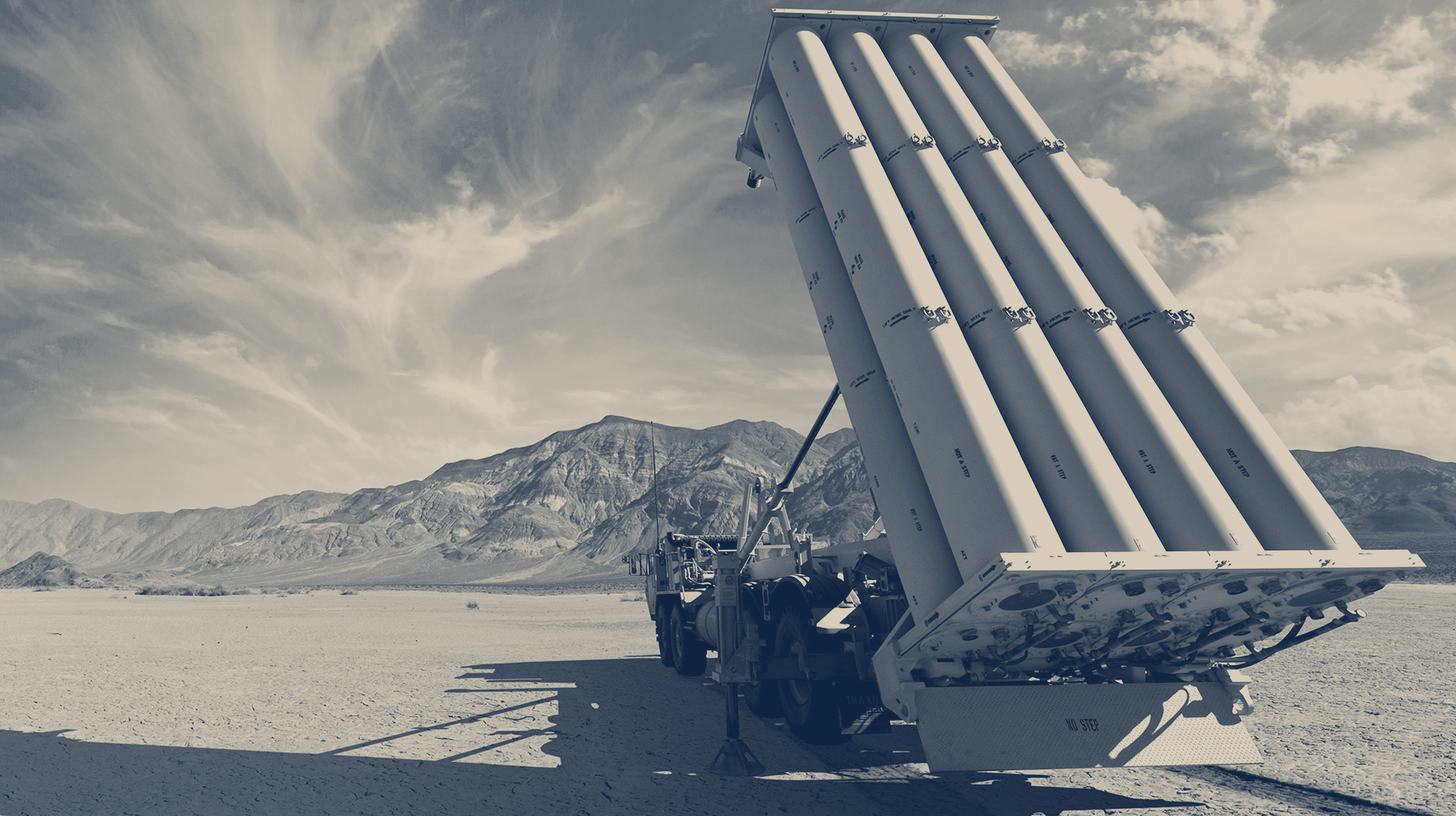
- The company unveiled a containerized launcher developed with Rheinmetall for the Army's Common Autonomous Multi-Domain Launcher program at AUSA.
Why it matters
- The Army opened a parallel fly-off path for nontraditional vendors after Lockheed Martin and Boeing-Anduril entered the formal second-interceptor program and Rafael was not selected to continue.
- IFPC Inc 2 is the Army's mid-range air defense system protecting bases and troops from cruise missiles, drones, rockets and artillery, and the service needs a second more capable missile for larger production volumes.
- Furientis competes on mass production capability, claiming 30-minute final assembly time and prototype flight tests every two weeks instead of multi-year design cycles.
- The selection demonstrates Army acquisition openness to companies leveraging commercial practices and readily available parts against traditional primes.
Going deeper
- Furientis founders Brody Franzen and Aris Simsarian are former engineers from Virgin Orbit and Castelion.
- The company flew its first horizontal flight test on a government range for the Army's low-cost interceptor effort in the two weeks before the IFPC selection.
- Furientis emerged from stealth in May 2026 with a $5 million pre-seed round, then announced seed and government contract within days in early October.
- The fly-off shootout is scheduled for the fourth quarter of fiscal 2027, which ends September 30, 2027.
Financial impact
- Benchmark-led seed round of $25 million in October 2026 funds development through fly-off and production scaling; runway not disclosed.
- Prototyping contract with Department of War for 100-mile interceptor is first funded government revenue; contract value and recognition timeline not disclosed.
- Furientis is hiring and preparing for production ramp if selected as second-source IFPC Inc 2 vendor; IFPC production volumes and pricing not disclosed.
The intrigue
- The parallel fly-off path creates uncertainty for Lockheed Martin and Boeing-Anduril, who entered the formal demonstration phase in September believing they were in a two-vendor competition.
- Furientis' claim of 30-minute assembly and bi-weekly flight tests contrasts sharply with traditional missile development timelines; whether this pace scales to production and meets military specifications remains untested at volume.
The fine print
- The three other vendors selected for the fly-off were not named.
- Furientis' prototyping contract ceiling value and obligated funds are not disclosed.
- Selection for fly-off does not guarantee production contract; outcome depends on performance at end of fiscal 2027.
Source: defence-blog.com · Oct 17, 2026 · Drafted with Claude, reviewed by Industrial Base Alpha.