Mentioned:Shield AI
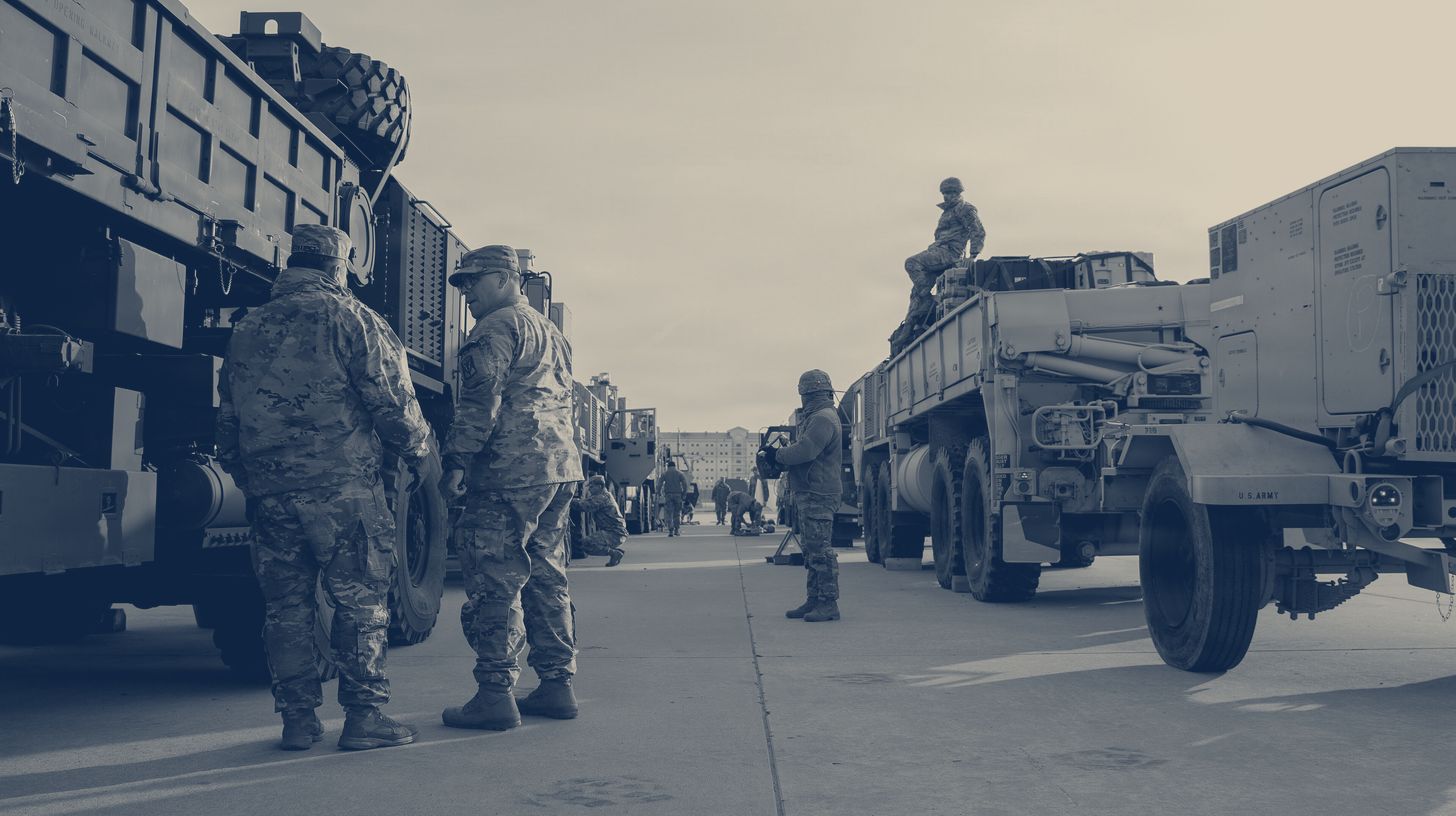
The U.S. Army is embedding LUCAS low-cost kamikaze drones into combat doctrine and training at Bayonet Academy, a training area at Joint Base Lewis-McChord in Washington. The service plans to employ these one-way attack munitions to achieve mass effects and create tactical windows against Chinese anti-access and area denial networks in the Pacific.
What's happening
- The Army incorporated LUCAS employment training into Bayonet Academy at JBLM, teaching maintenance, deployment, and orchestration of effects.
- Multi-Domain Command-Pacific leadership modeled LUCAS use to penetrate Chinese A2/AD networks, targeting specific ship subsystems to create tactical windows rather than achieve full mission kills.
- LUCAS drones, reverse-engineered from Iranian Shahed-136 systems, saw combat debut against Iran in early 2026 after fielding began in December 2025.
- The 7th Infantry Division and 1st Multi-Domain Task Force unified under MDC-PAC command to field long-range strike and uncrewed capabilities.
Why it matters
- Low-cost one-way attack munitions allow the U.S. military to generate mass effects and achieve tactical objectives without expending high-cost systems, preserving exquisite munitions for higher-value targets.
- Integrating LUCAS into doctrine and training signals the Army's shift toward autonomy and attrition-based tactics for contested environments against near-peer adversaries.
- Mission-kill tactics using kamikaze drones create operational tempo advantages by temporarily degrading enemy ship systems and enabling follow-on strikes by manned platforms.
- Training at JBLM institutionalizes employment concepts across the joint force, ensuring multi-domain coordination of one-way attack munitions with traditional air and sea assets.
Going deeper
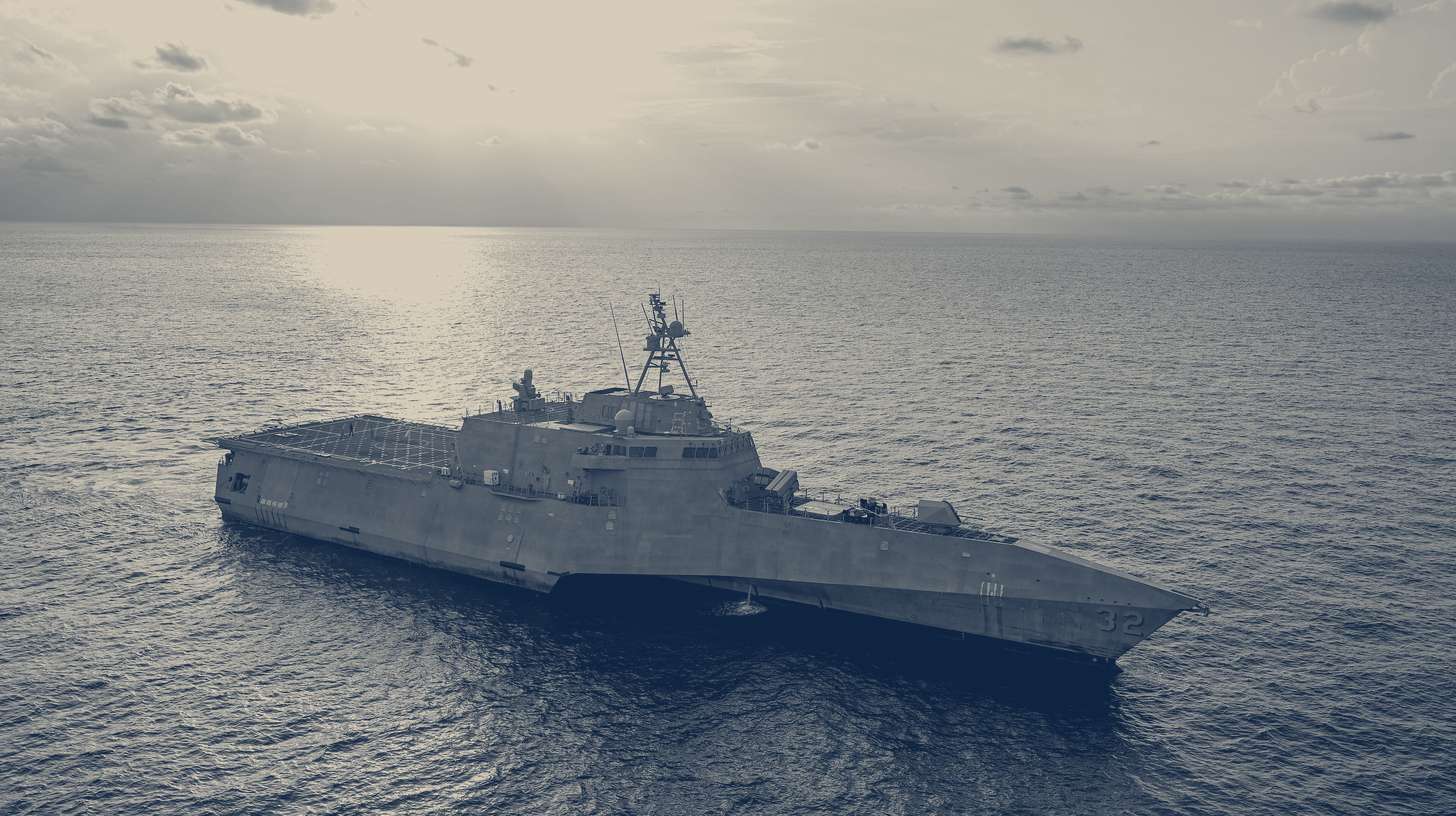
- LUCAS drones can launch from static ground launchers or naval platforms including Littoral Combat Ships and unmanned surface vessels.
- The Army is synchronizing kamikaze drone employment with unmanned surface vessels to create layered, mass-effects campaigns in maritime contested environments.
- CENTCOM forces demonstrated combined one-way attack capability in July 2026, striking Iranian naval facilities at Bandar Abbas with three Corsair unmanned surface vessels.
- The service sees uncrewed capabilities as critical to overwhelming peer adversaries by creating decision timelines and windows of vulnerability that exceed enemy response capability.
The intrigue
- The deliberate shift to mission-kill tactics over sinking ships suggests the Army calculates that temporary system degradation and repair timelines provide sufficient operational advantage against larger naval formations, raising questions about peer-conflict endurance and attrition mathematics.
The fine print
- LUCAS is a domestic U.S. development reverse-engineered from Iranian design, raising supply chain transparency and acquisition cost visibility questions that remain undisclosed.
- No production volume or fielding timeline for LUCAS has been publicly announced beyond the initial operational debut and training integration.
Source: twz.com · Oct 16, 2026 · Drafted with Claude, reviewed by Industrial Base Alpha.