Mentioned:Kraken Technology$175M · Fund Raise
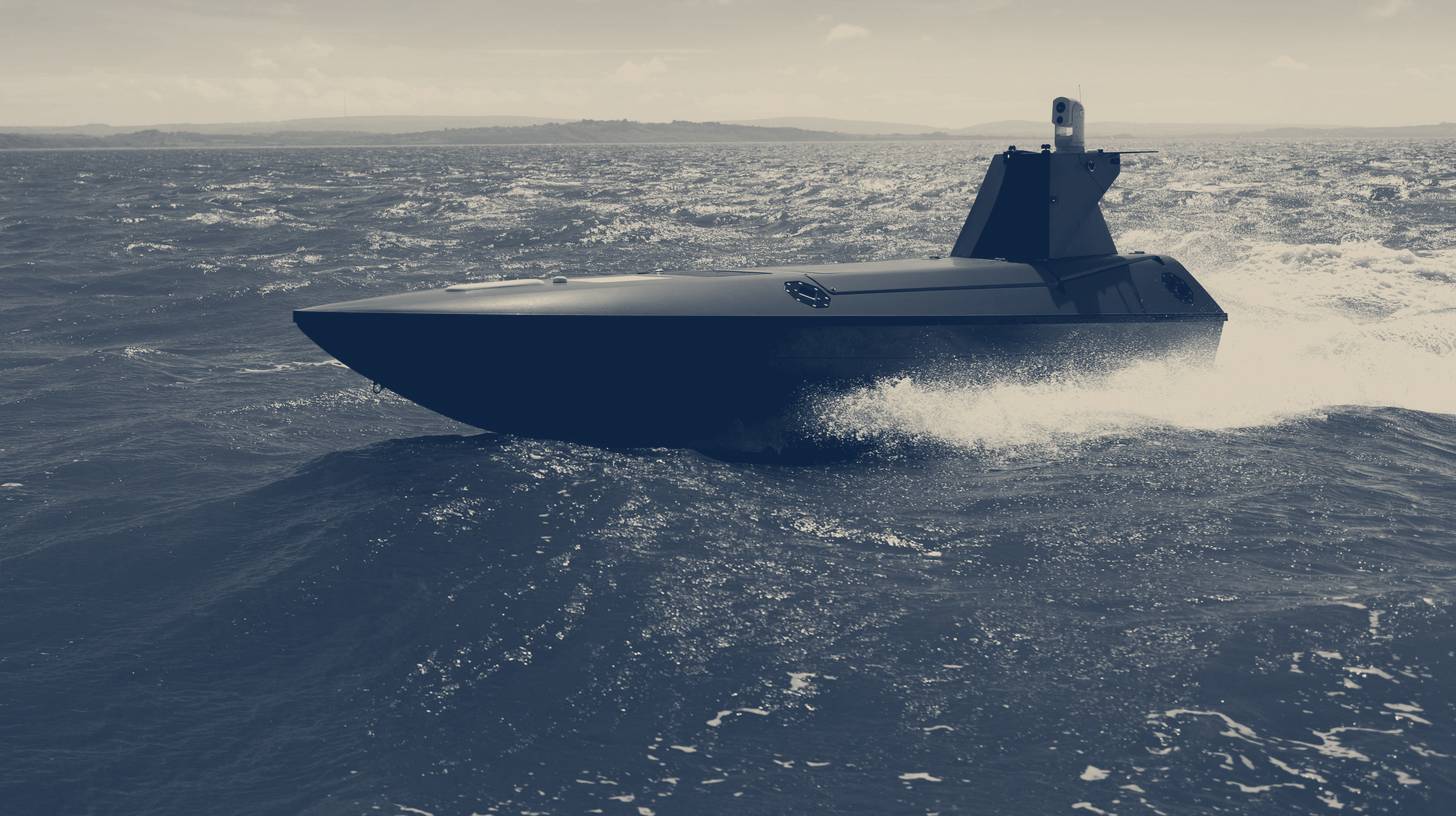
Kraken Technology raised $175 million earlier in 2026 to expand production of its K3 Scout unmanned surface vessels. The 8.5-meter drones, capable of 55-knot speed and carrying 600-kilogram payloads, have been confirmed in combat use by Ukraine against Russian naval targets.
What's happening
- K3 Scout USVs attacked a Russian ship in Sochi harbor on September 3, 2026, with at least two vessels breaching defensive perimeter and damaging the target's port side.
- The K3 Scout operates at maximum speed of 55 knots with 600-kilogram payload capacity and stated range of approximately 650 nautical miles.
- Kraken Technology is expanding annual production capacity to 1,000 boats from its 3,250-square-meter facility in Fårhem.
- Royal Navy and Royal Air Force conducted air-drop tests in 2026, successfully deploying K3 Scout via parachute from A400M transport aircraft through four consecutive drops.
Why it matters
- Proven combat effectiveness in Ukraine validates the K3 Scout platform and creates operational demand that justifies the $175 million capital raise and planned 1,000-unit annual production capacity.
- The vessel's long range of 650 nautical miles and 600-kilogram payload enable strike missions across contested water such as the Black Sea without requiring forward bases.
- Integration of radar systems for air and surface detection positions the K3 as a multi-role platform beyond strike, expanding addressable fleet applications.
- Successful air-drop deployment capability adds flexibility to British and allied military logistics, enabling rapid asset repositioning without port infrastructure.
Going deeper
- The K3 Scout can be equipped to transport FPV drones, creating a layered autonomous system for reconnaissance and strike.
- Kraken Technology is testing alternative delivery methods beyond sea insertion, including parachute deployment from transport aircraft.
- The vessel's 650-nautical-mile range sufficient to traverse from Odesa to Sochi without refueling support demonstrates strategic reach.
- The three-dimensional radar variant can detect small aerial objects at long ranges, providing early warning roles beyond strike missions.
Financial impact
- The $175 million fund raise in 2026 provides capital for production facility expansion and tooling to reach 1,000-unit annual output.
- Revenue recognition will depend on delivery schedule and Ukraine procurement arrangements; timing of revenue ramp tied to production ramp-up through 2027 and beyond.
- Confirmed combat use in Ukraine creates potential for additional export orders from NATO allies and Ukrainian resupply, increasing revenue backlog and production duration.
- Working capital requirements will rise significantly as production scales from current levels to 1,000 boats annually, consuming cash generated from early deliveries.
The intrigue
- The gap between September 3 combat use and October 2026 public disclosure suggests deliberate operational security by Ukraine and British authorities during active conflict.
- No public statement on how many K3 Scout units were supplied to Ukraine or whether the $175 million raise was predicated on Ukrainian orders.
- Kraken has pursued air-drop capability and radar integration in parallel, suggesting multiple military customers with different operational concepts beyond Ukraine strike role.
The fine print
- Kraken Technology is a private company; $175 million raise amount and production targets disclosed in media reports but not in company financial statements.
- K3 Scout range stated at approximately 650 nautical miles, sufficient for Odesa-to-Sochi mission; actual operational range depends on sea state and payload configuration.
- Company facility size and production capacity plan disclosed in article but no timeline provided for reaching 1,000-unit annual production rate.
Source: militarnyi.com · Oct 17, 2026 · Drafted with Claude, reviewed by Industrial Base Alpha.