Mentioned:No public companies identified$50B · Program/Policy
The U.S. Department of Defense announced a proposed $50 billion investment to transform autonomous weapons production from limited inventories to industrial-scale manufacturing of millions of systems. The initiative would accelerate production of one-way attack drones, robotic ground vehicles, and unmanned maritime platforms to sustain operations against technologically advanced adversaries.
What's happening
- Defense Secretary Pete Hegseth presented a $50 billion proposal at AUSA 2026 to scale autonomous weapons production capacity from thousands to potentially millions of systems.
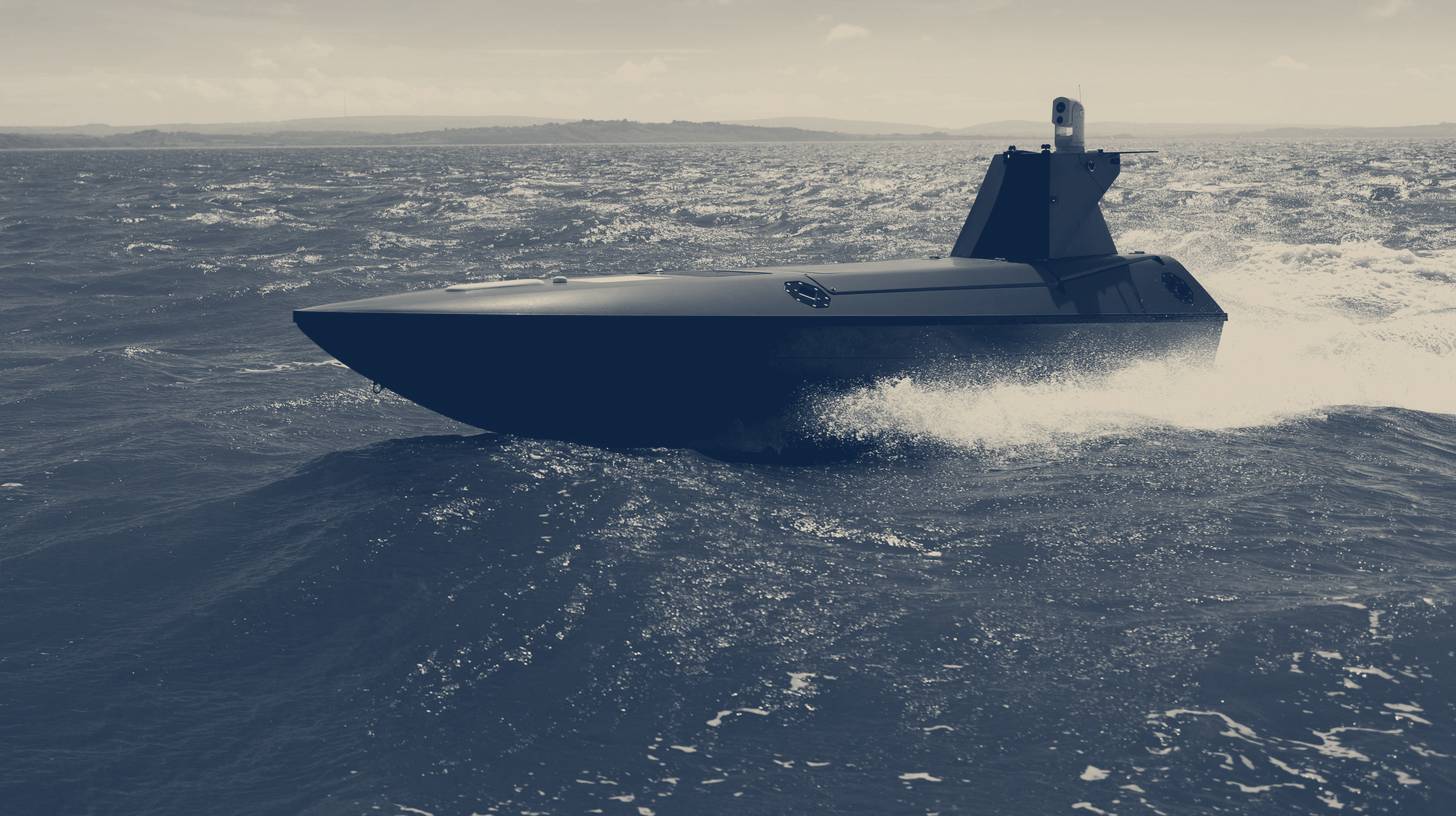
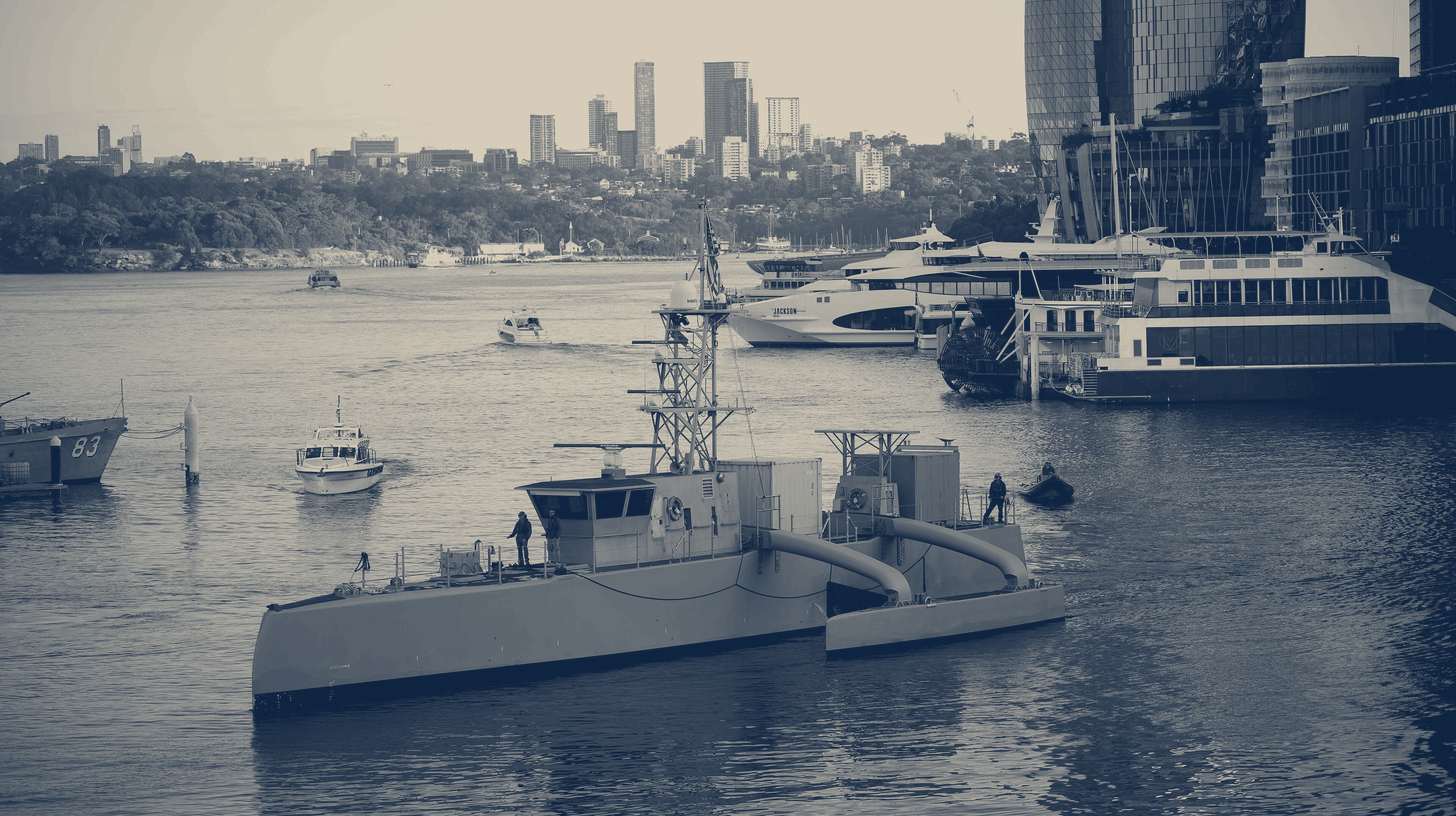
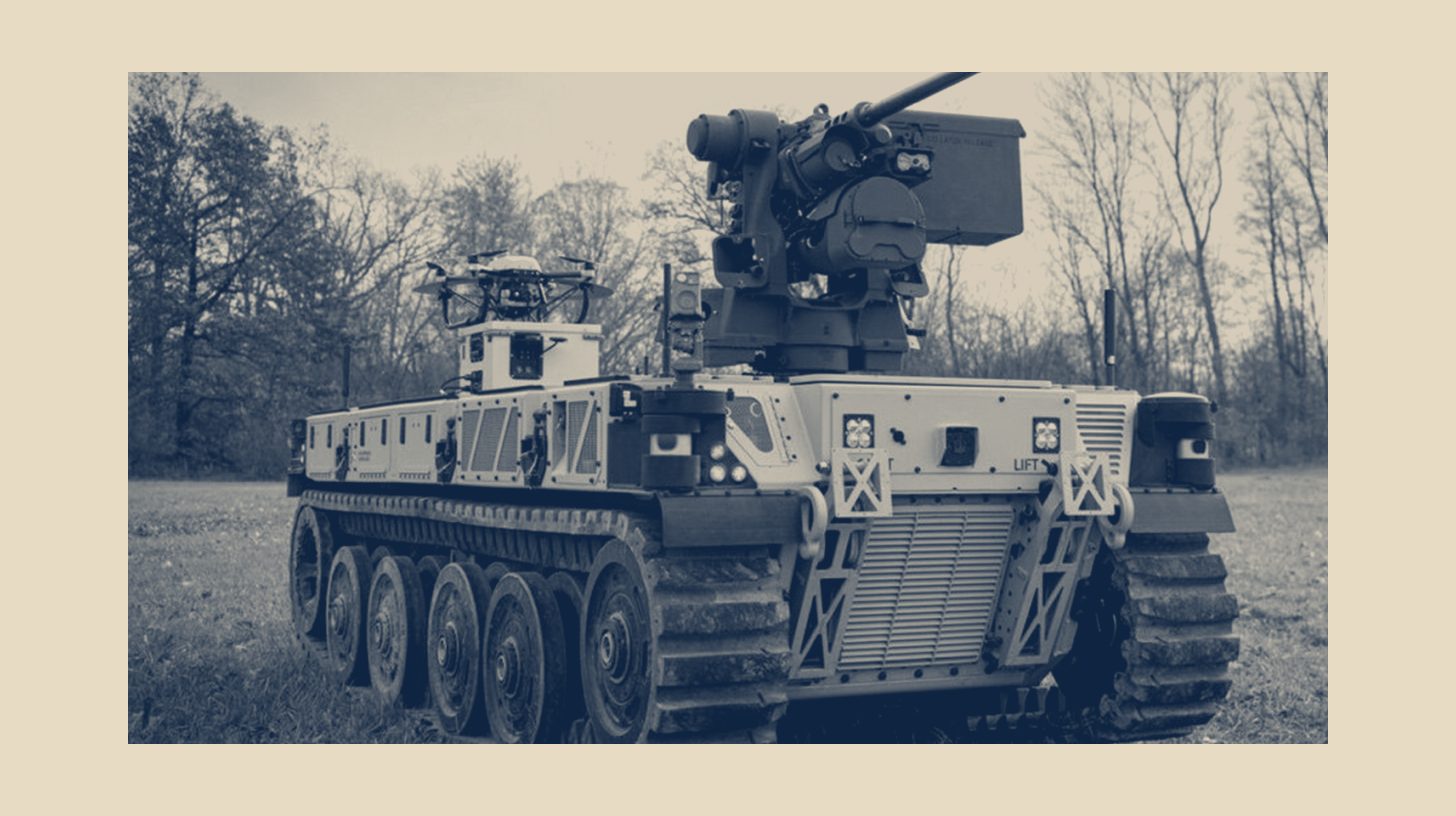
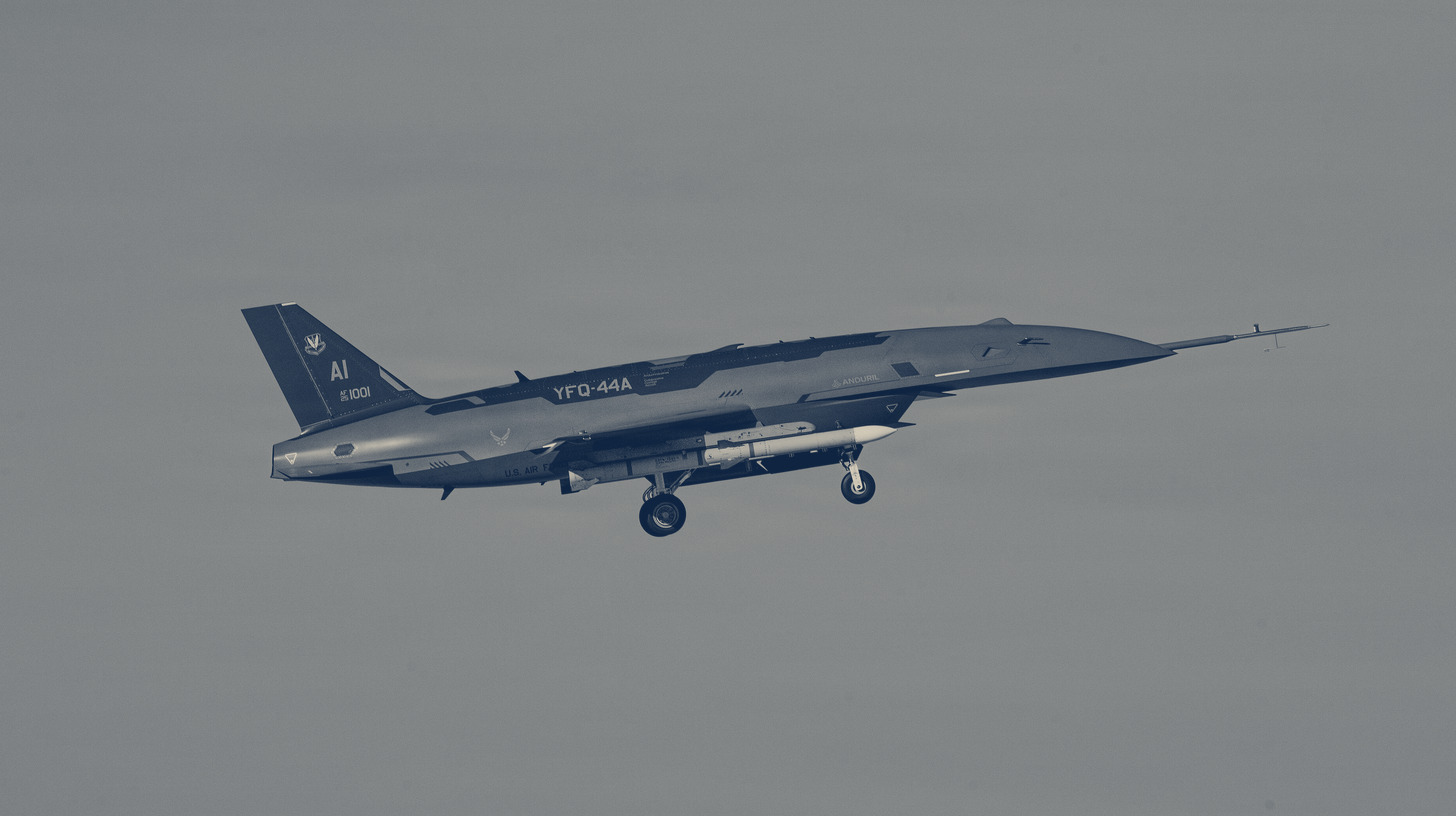
- The plan targets one-way attack drones, robotic ground vehicles, and unmanned maritime systems designed for high-volume, affordable production rather than traditional limited procurement.
- The investment requires congressional budget reconciliation and does not represent already-approved military funding.
- Production transformation would prioritize manufacturing speed, affordability, and rapid equipment replacement capability over traditional sophisticated-weapons approaches.
Why it matters
- Scaling to millions of autonomous systems would give U.S. forces sustained drone-strike capacity, expendable combat systems, and the ability to maintain operations in contested environments while reducing personnel risk.
- Industrial-scale production requires establishment of high-volume manufacturing lines, secured component supplies (propulsion, batteries, sensors, communications), and reduced unit costs across the defense supply base.
- The Pentagon must develop reliable command-and-control networks, operator training infrastructure, electronic-warfare protections, and logistics support systems to operate and sustain millions of unmanned platforms.
- Production at this scale represents a fundamental shift in defense industrial strategy away from expensive, low-quantity programs toward rapid-replacement-capable systems.
Going deeper
- The U.S. Army's Drone Dominance initiative already reflects this transition, planning to acquire large numbers of small unmanned aircraft for rapid distribution and battlefield replacement.
- One-way attack drones would enable repeated precision strikes against armored vehicles, artillery, and logistics targets while preserving expensive missiles and crewed aircraft for higher-complexity missions.
- Unmanned maritime and ground systems would extend reconnaissance, logistics, and combat capabilities across multiple operational environments beyond air-delivered strikes.
- The Pentagon has not published a detailed procurement schedule or confirmed production timelines, meaning stated quantities represent strategic objectives rather than funded commitments.
Financial impact
- The $50 billion requires congressional authorization through budget reconciliation and does not represent current military appropriations; timing of congressional action and approval remains uncertain.
- If authorized, funding would flow to defense manufacturers as production contracts and volume commitments spread across fiscal years following approval, with revenue recognition dependent on delivery schedules and program phases.
- Capex requirements for manufacturing expansion, tooling, and production-line establishment would concentrate in the early implementation phases following congressional approval, timing not disclosed.
- The industrial base would see capital reallocation toward high-volume production facilities and component supply chains, potentially affecting margins on traditional low-volume weapons programs.
The intrigue
- No detailed procurement schedule has been published, leaving ambiguity about how quickly millions of systems could actually enter production and what timeline the Pentagon is targeting for operational deployment.
- The proposal does not address which existing defense contractors or new manufacturers would receive production contracts, creating uncertainty about industrial consolidation or capacity redistribution.
The fine print
- The $50 billion figure represents a stated strategic objective rather than confirmed orders or existing military inventories already on hand.
- Congressional budget reconciliation approval is required; the investment is not part of currently authorized defense spending.
- Production volumes and timelines are aspirational; the Pentagon has not established a publicly confirmed schedule confirming when millions of units could become operational.
Source: armyrecognition.com · Oct 16, 2026 · Drafted with Claude, reviewed by Industrial Base Alpha.