Mentioned:Blue Origin$330M · Internal/Self-funded
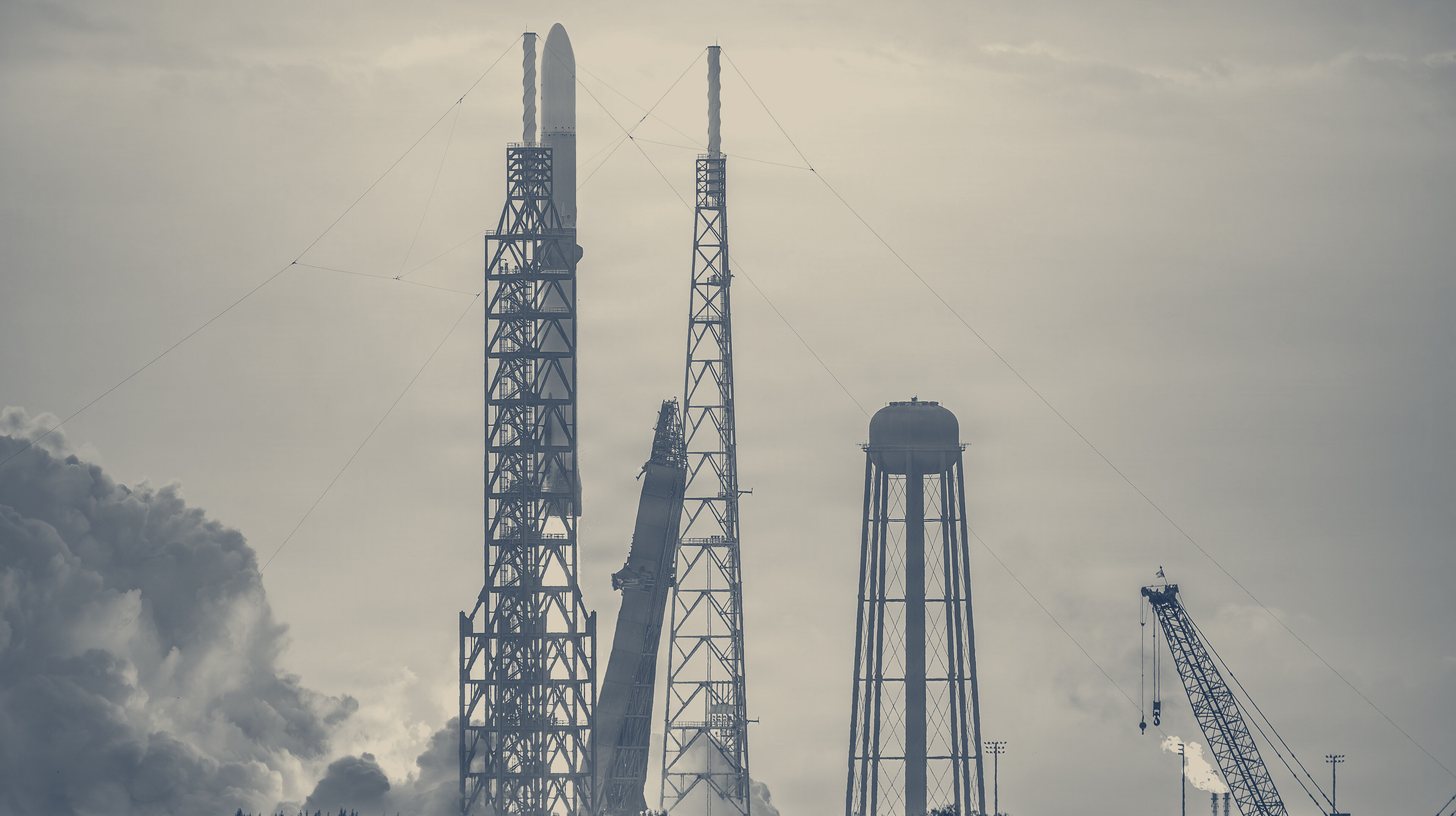
Blue Origin announced a $330 million investment in a manufacturing facility expansion at Cape Canaveral to build upper stages for its New Glenn 9×4 rocket. The 1.37 million-square-foot facility targets completion by summer 2027 and will support annual production of up to 150 upper stages.
What's happening
- Blue Origin is funding a $330 million expansion of its Rocket Park facility to manufacture New Glenn 9×4 upper stages with completion targeted for summer 2027.
- The 1.37 million-square-foot facility will support production capacity of up to 150 upper stages annually.
- The company is simultaneously seeking FAA approval to increase launch cadence at LC-36A from 12 to 50 flights, with a 30-day public comment period closing October 30.
- Blue Origin will add new launch pads, introduce two new landing vessels, and construct a vertical integration facility for booster servicing and a payload processing facility at Cape Canaveral.
Why it matters
- Manufacturing capacity for 150 upper stages annually directly enables Blue Origin's stated goal of multiple flights per week by decade's end, addressing supply-chain constraints in heavy-lift launch.
- FAA approval to increase from 12 to 50 permitted flights at LC-36A would establish Blue Origin as a primary provider of National Security Launch System capacity for the U.S. military and intelligence community.
- Vertical integration of upper-stage manufacturing, booster recovery, and payload processing reduces production cycle time and de-risks supply-chain dependencies for high-cadence operations.
- The facility expansion consolidates over $3 billion in total Florida infrastructure investment and supports 5,000 employees and 500 suppliers, strengthening the regional industrial base.
Going deeper
- Blue Origin is building internal capacity for fairings and other components, including fairing recovery and refurbishment for reuse, to minimize external procurement dependencies.
- The company is pursuing dual-coast launch capability by pursuing development of Space Launch Complex 14 at Vandenberg Space Force Base on the West Coast in parallel with Florida expansion.
- The May 2026 static test fire explosion at LC-36A did not derail production timelines; the facility rebuild and expansion proceed concurrently with LC-36B construction for the 9×4 variant.
Financial impact
- The $330 million capital expenditure will appear as property, plant and equipment on Blue Origin's balance sheet (private company; no public financial statements) and reduces available cash for dividends or other allocation.
- Completion by summer 2027 means the facility enters production in fiscal 2027 or later; revenue from upper-stage deliveries will be recognized as units are delivered to customers, likely under fixed-price or cost-plus development contracts with U.S. government.
- Operating cash outflow of $330 million occurs during construction phases from 2026 through summer 2027; operating cash inflow from production ramps starting late 2027 as the facility reaches full utilization.
The intrigue
- FAA approval for 50 flights per year at LC-36A hinges on public comment and environmental review; denial or significant restriction would require Blue Origin to accelerate Vandenberg development or accept lower cadence targets.
- The specific orbit error on the AST SpaceMobile Bluebird 7 mission indicates early New Glenn operations face navigation or payload integration challenges that could impact customer confidence and certification timelines.
The fine print
- The $330 million figure does not include the parallel investments in LC-36B launch pad construction, vertical integration facility, payload processing facility, or landing vessels; total infrastructure spend is higher.
- Summer 2027 completion is a target; delays in construction or supply-chain logistics could push production ramp and revenue recognition into fiscal 2028.
- FAA approval for 50 flights remains pending as of October 2026; public comment closes October 30, with decision timing not disclosed.
Source: spaceflightnow.com · Oct 16, 2026 · Drafted with Claude, reviewed by Industrial Base Alpha.