Mentioned:EraDrive$13M · Contract Award
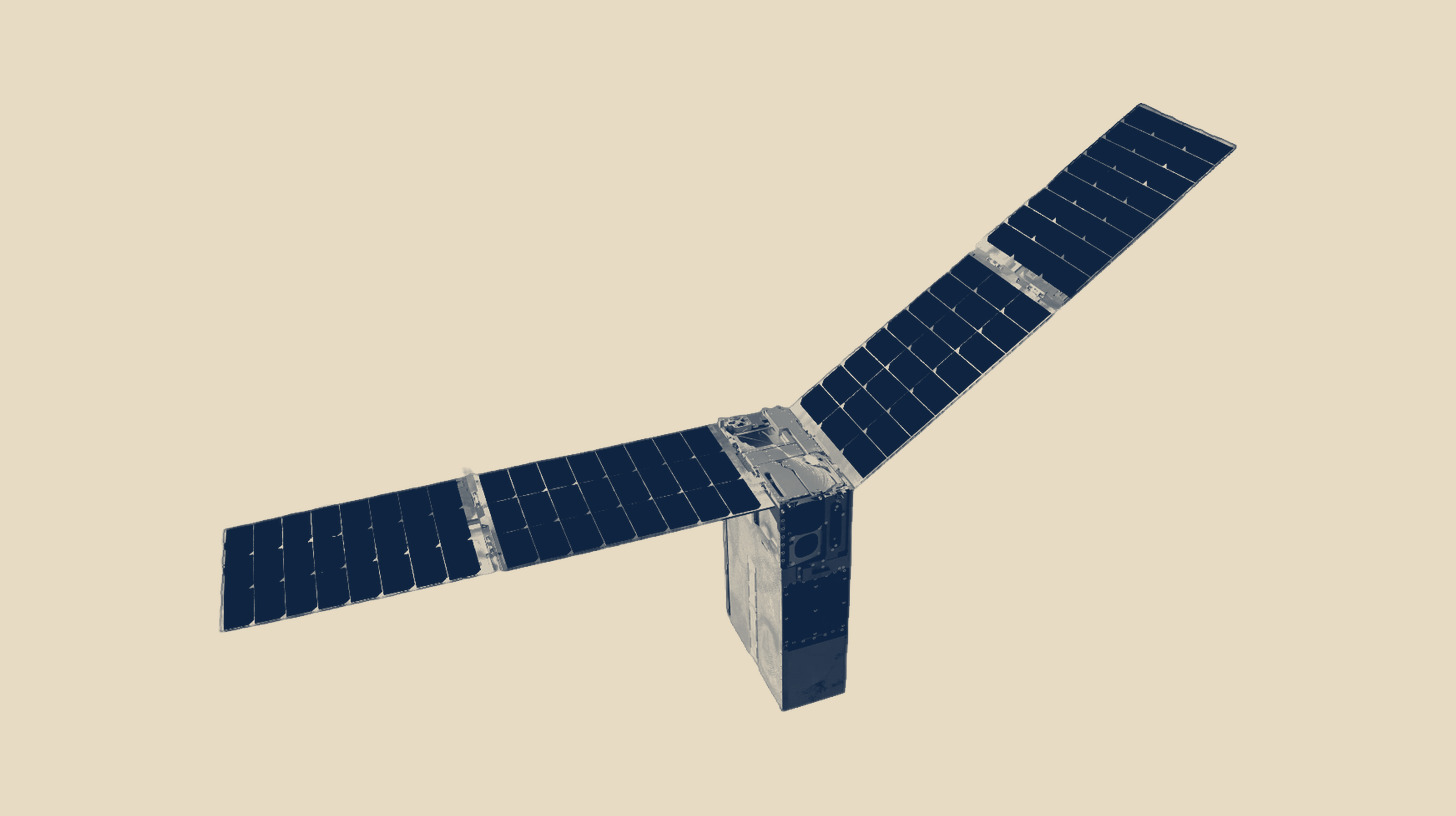
EraDrive won a $13M Space Force award under the Accelerate the Procurement and Fielding of Innovative Technologies program to supply Era-Node vision-based autonomy modules for military spacecraft. The contract bypasses R&D pathways and funds direct procurement of autonomous capabilities for satellite operations.
What's happening
- The Space Force awarded EraDrive $13M through APFIT, a procurement program designed for direct acquisition of new technologies rather than research funding.
- Era-Nodes provide vision-based autonomy that lets satellites operate within operator-defined parameters without constant ground control, addressing GPS-denied navigation and space domain awareness needs.
- EraDrive completed selection and contracting within a single fiscal year, accelerating typical multi-year government procurement timelines.
- The company has demonstrated Era-Core autonomous software on 7 NASA Starling satellite experiments, proving capability to identify targets and autonomously coordinate satellite movements.
Why it matters
- DoD has prioritized autonomous satellite capabilities for years to overcome downlink bottlenecks and maintain operations when GPS is unavailable or denied.
- A working autonomy module on contract accelerates the Space Force's ability to field independent satellite operations across new procurement rather than waiting for additional R&D.
- Era-Node architecture decentralizes command authority to satellites themselves, enabling fleet-level coordination and collision avoidance without reliance on continuous ground links.
Going deeper
- EraDrive claims most market autonomy offerings rely on pre-planned command sequences uplinked between ground passes, whereas Era-Nodes grant satellites real-time decision authority.
- Nearly all Era-Node components and software carry flight heritage from prior NASA missions, reducing integration and qualification risk.
- EraDrive envisions each deployed Era-Node contributing to a shared sensor network for space domain awareness regardless of whether customers use EraDrive hardware.
Financial impact
- The $13M award is a procurement contract with obligated funding; revenue recognition timing and quantity of modules to be delivered are not disclosed.
- Timing not disclosed for when modules will be delivered or revenue recognized into eraDrive's income statement.
The intrigue
- EraDrive has not yet flown a fully integrated Era-Node module in orbit despite demonstrating components and software separately, leaving integration and operational risks unvalidated.
- Market autonomy offerings vary in true decision authority; unclear how military operators will adopt a decentralized autonomy model that reduces ground control.
The fine print
- Contract award provides $13M in obligated procurement funding; actual module quantity and delivery schedule are not disclosed.
- APFIT is a direct-procurement pathway distinct from R&D awards such as SBIR and STTR, meaning funds flow to production-ready capabilities rather than development.
Source: payloadspace.com · Oct 19, 2026 · Drafted with Claude, reviewed by Industrial Base Alpha.