Mentioned:No public companies identified$250M · Government Support
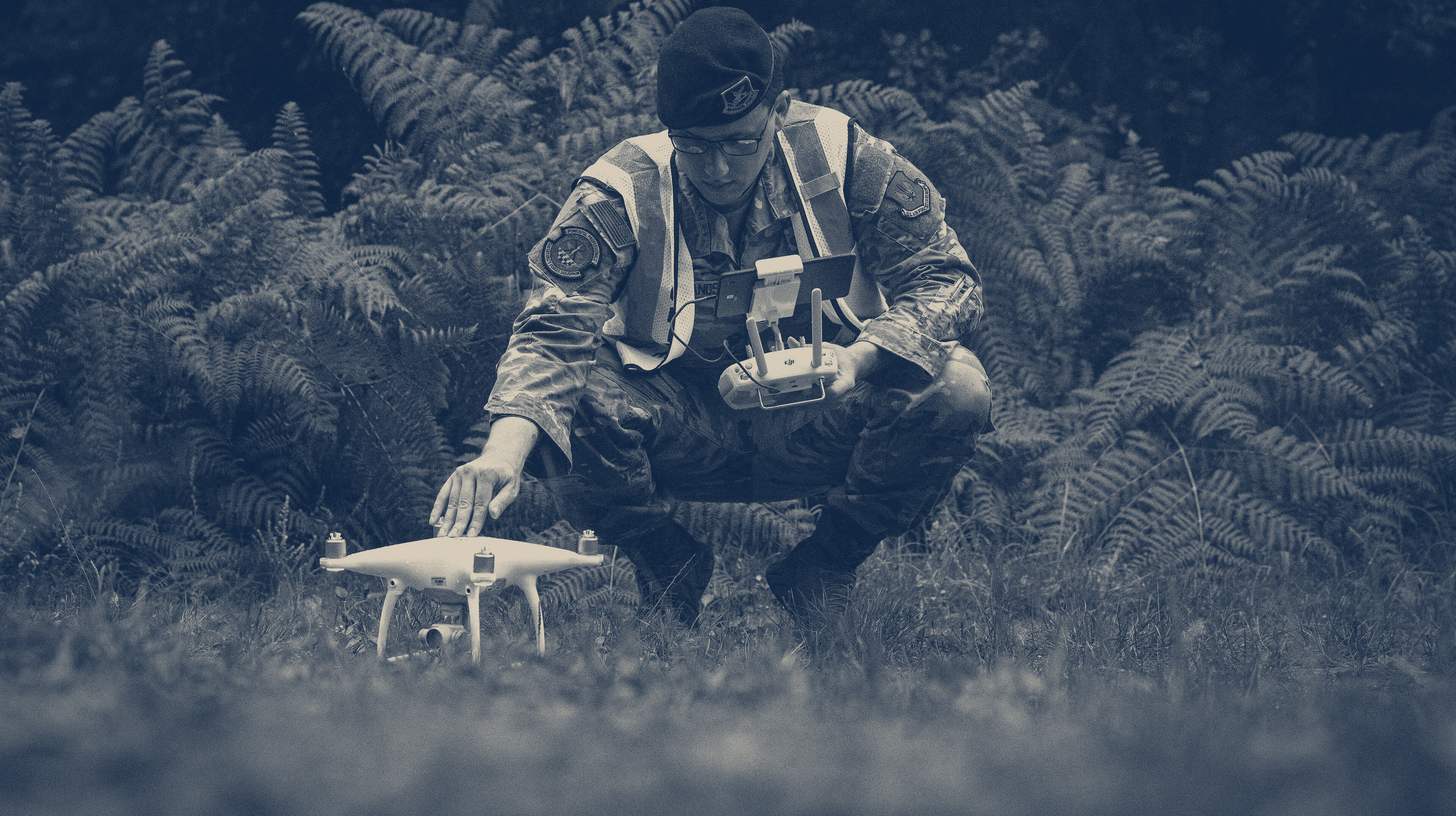
FEMA announced $250 million in counter-UAS grants for fiscal year 2027 distributed across all 50 states, five territories, and the District of Columbia. The funding enables jurisdictions to build capabilities to detect, identify, track and monitor drone threats.
What's happening
- FEMA published a noncompetitive grant program on Grants.gov on October 16, 2026, with applications closing November 16, 2026.
- The $250 million will be distributed to all 50 states, 5 territories, and DC in fiscal year 2027.
- This expands upon $250 million awarded in fiscal year 2026 to FIFA World Cup host cities and the National Capital Region.
Why it matters
- Recurring federal C-UAS funding establishes baseline domestic drone detection and tracking infrastructure across all jurisdictions rather than concentrating capability in event-host cities.
- State Administrative Agencies gain resources to integrate detection, identification and monitoring systems that address both security events and routine airspace monitoring needs.
- The nationwide program scales counter-UAS production and deployment demand beyond pilot programs, creating sustained market for C-UAS vendors and integrators.
Going deeper
- The noncompetitive structure means all applicants meeting eligibility criteria can receive funding, unlike competitive programs that force jurisdictions to compete for fixed pools.
- FY2026 pilot awards to World Cup cities and DC demonstrate FEMA's strategy to field test C-UAS capabilities at high-profile events before broader deployment.
Financial impact
- FEMA obligates $250 million in fiscal year 2027 for C-UAS grants, establishing a new recurring federal budget line for domestic drone defense infrastructure.
- State and territory budgets gain federal grant revenue to fund C-UAS procurement and integration, reducing local capital requirements for drone detection systems.
The fine print
- State Administrative Agencies are the sole eligible applicants; local governments and private entities cannot apply directly.
- Application period runs October 16 through November 16, 2026, with funding distributed in fiscal year 2027.
Source: unmannedairspace.info · Oct 19, 2026 · Drafted with Claude, reviewed by Industrial Base Alpha.