Mentioned:NIOARheinmetallSYPAQ$10M · Government Support
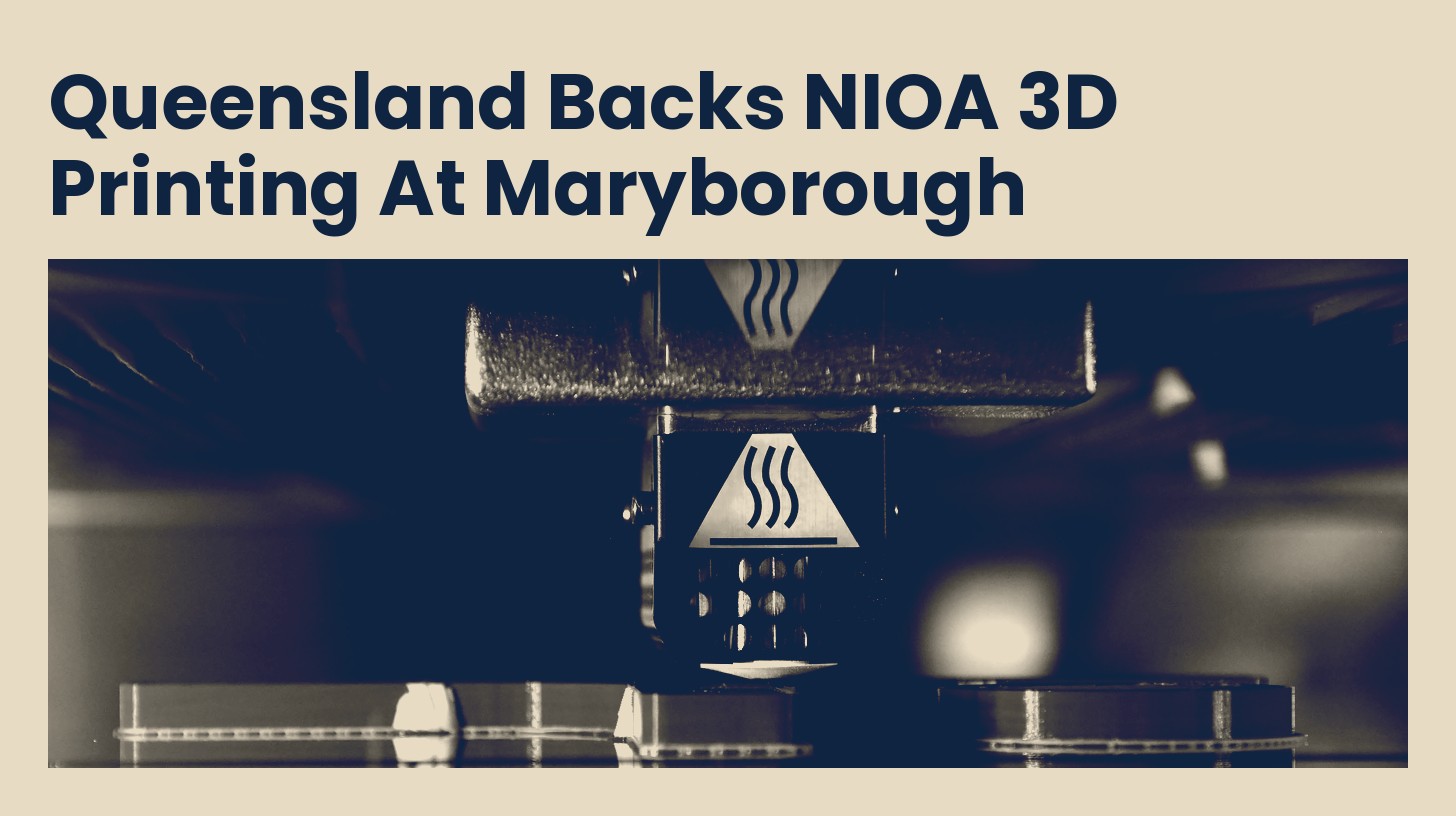
Queensland granted NIOA A$15 million to build Australia's first industrial-scale ceramic 3D printing production line at the Rheinmetall NIOA Munitions plant in Maryborough. The facility will manufacture parts for missiles, rocket motors, drones and counter-drone systems, reaching full operation by late 2028.
What's happening
- Queensland awarded A$15 million from its A$180.6 million Sovereign Industry Development Fund, covering approximately half of a A$29.85 million total project cost.
- The plant will install 3 ceramic and 2 metal 3D printers, plus 2 post-print sintering ovens and a prototype oven, creating up to 18 jobs.
- NIOA plans full operation by late 2028 and will produce parts for missiles, rocket motors, drones and counter-drone systems.
- NIOA already supplies proximity fuzes and warhead designs for SYPAQ's Corvo Strike counter-drone interceptor under Australia's ASCA Mission Syracuse program.
Why it matters
- The 3D printing line reduces Australia's dependence on overseas munitions supply chains by enabling domestic production of complex missile and drone components.
- Titanium and ceramic 3D printing capability supports high-speed defense systems production, strengthening sovereign industrial base for missile and counter-drone programs.
- Integration with existing Maryborough facility that forges 155mm artillery shells creates a vertically integrated munitions center for both conventional and emerging platforms.
- Capability addresses Australia's stated priority to build counter-drone interceptors domestically following Canberra's up to A$7 billion counter-drone investment commitment.
Going deeper
- NIOA's formal announcement and facility floor plan show discrepancies: the release lists the printer mix as 3 ceramic and 2 metal units, while the layout board shows 3 titanium and 2 ceramic printers plus separate post-processing furnaces.
- Neither NIOA nor Queensland announced the 3D printer supplier, leaving supplier relationships and technology sourcing undisclosed.
- The facility will upgrade existing quality lab equipment including coordinate measuring machines and 3D scanning systems to support the new production line.
- Ceramic parts are described as for 'high-speed defence systems' without specific naming of drone or counter-drone components that will be produced first.
Financial impact
- A$15 million grant from Queensland's Sovereign Industry Development Fund reduces NIOA's out-of-pocket capex requirement for the A$29.85 million project by 50 percent, timing not disclosed.
- Grant increases Queensland's total defense spending through the fund to past A$90 million, supporting state budget allocation and industry development strategy.
- NIOA's revenue from munitions production and counter-drone components will grow as the 3D printing line reaches full capacity by late 2028, subject to defense procurement decisions by Australian Government.
- Project creates up to 18 jobs at the Maryborough facility, contributing to labor cost structure and operational expense for the joint venture between NIOA and Germany's Rheinmetall.
The intrigue
- Floor plan discrepancy between NIOA's written announcement and the actual layout board suggests either late changes to printer specifications or communication misalignment between NIOA and Queensland.
- NIOA's release omits 'titanium' despite the floor plan showing titanium printers, raising questions about which materials are prioritized for which munitions programs.
- Timeline uncertainty on drone versus missile focus: the facility targets both platforms but late 2028 completion means no counter-drone parts delivery until after major Australian procurement decisions.
- Rheinmetall's parallel drone defense initiatives in Europe with Deutsche Telekom hint at international technology flow and potential dual-use development between Australian and European operations.
The fine print
- Grant covers approximately 50 percent of the A$29.85 million project cost; source of remaining A$14.85 million funding not disclosed.
- Ceiling value and obligated portions of the grant not specified; Queensland statement indicates A$15 million total commitment.
- Printer supplier identity and specific ceramic and metal material specifications not disclosed by NIOA or Queensland.
- Full operation target is late 2028; interim or staged production ramp timeline not provided.
Source: dronexl.co · Nov 26, 2026 · Drafted with Claude, reviewed by Industrial Base Alpha.