Mentioned:No public companies identified$10M · Program/Policy
The U.S. Air Force announced plans for a Montana-based weapons testing super range following President Trump's campaign rally announcement. Sen. Tim Sheehy secured $10 million for a feasibility study in the FY27 National Defense Authorization Act.
What's happening
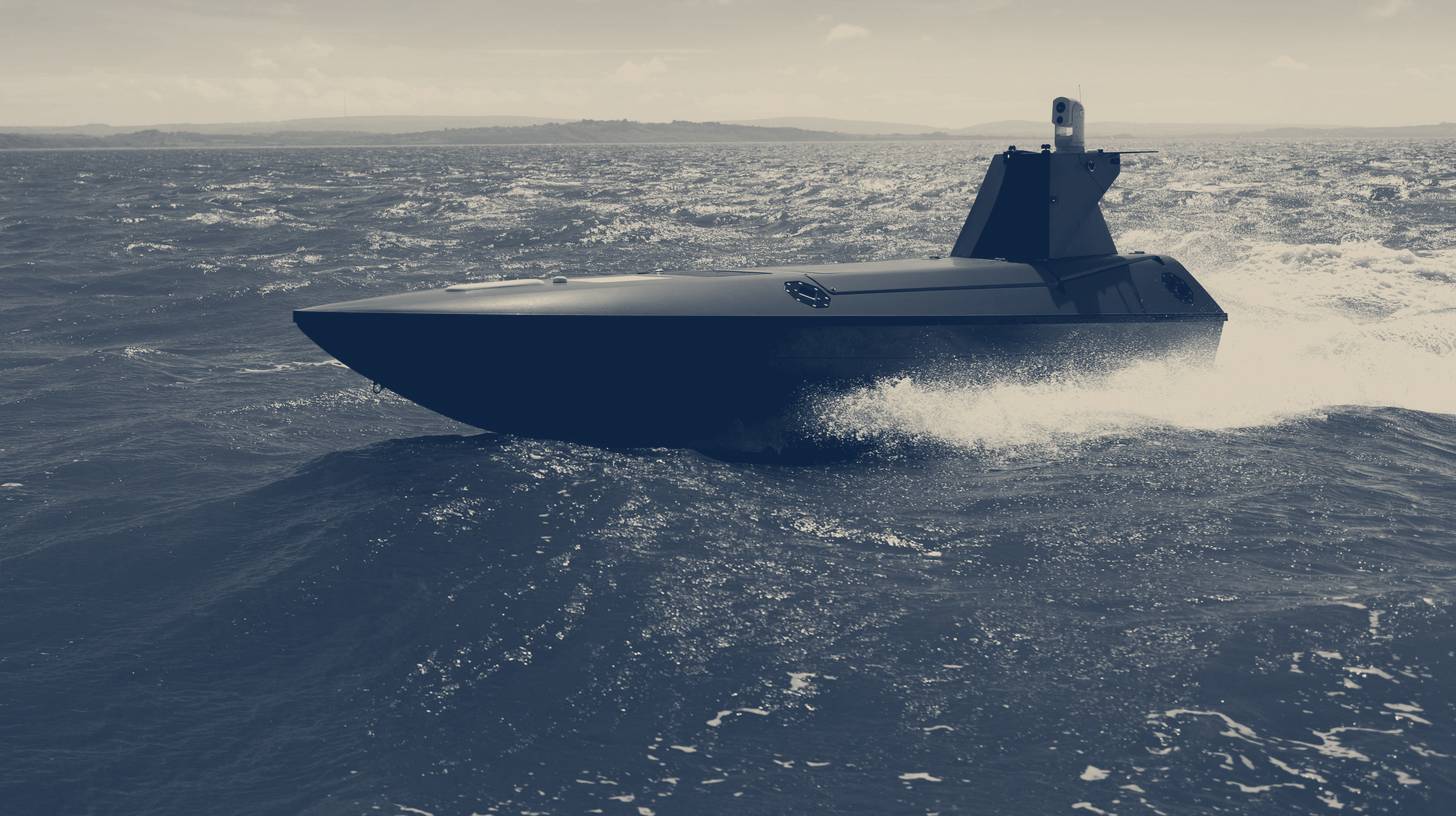
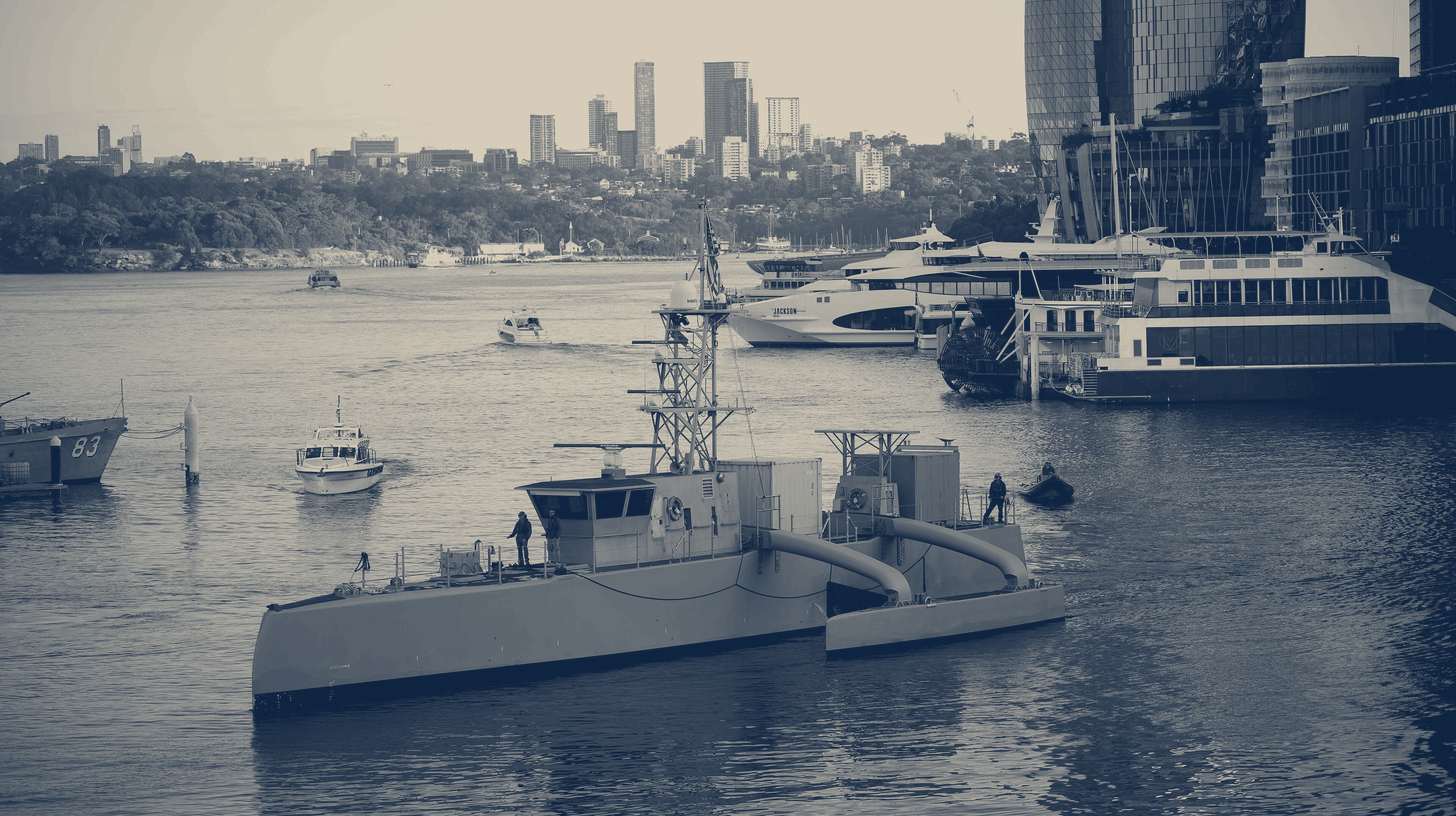
- President Trump announced a military weapons super range complex in Montana to test hypersonic, autonomous, directed-energy, and electronic warfare systems.
- Sen. Tim Sheehy funded a $10 million feasibility study in the FY27 NDAA passed by the Senate Armed Services Committee.
- The project addresses capacity constraints as DoD develops next-generation kill-web systems requiring testing grounds thousands of miles in extent.
Why it matters
- Existing U.S. military testing installations lack sufficient capacity to support accelerating development of hypersonic, autonomous, and directed-energy weapons aimed at peer competitors.
- Future battlefield architectures extend thousands of miles rather than hundreds, requiring larger, more remote testing facilities to conduct realistic training and evaluation.
- Montana's vast undeveloped land offers suitable geography to establish testing infrastructure without interference to civilian air traffic, communications, or regulatory constraints.
Going deeper
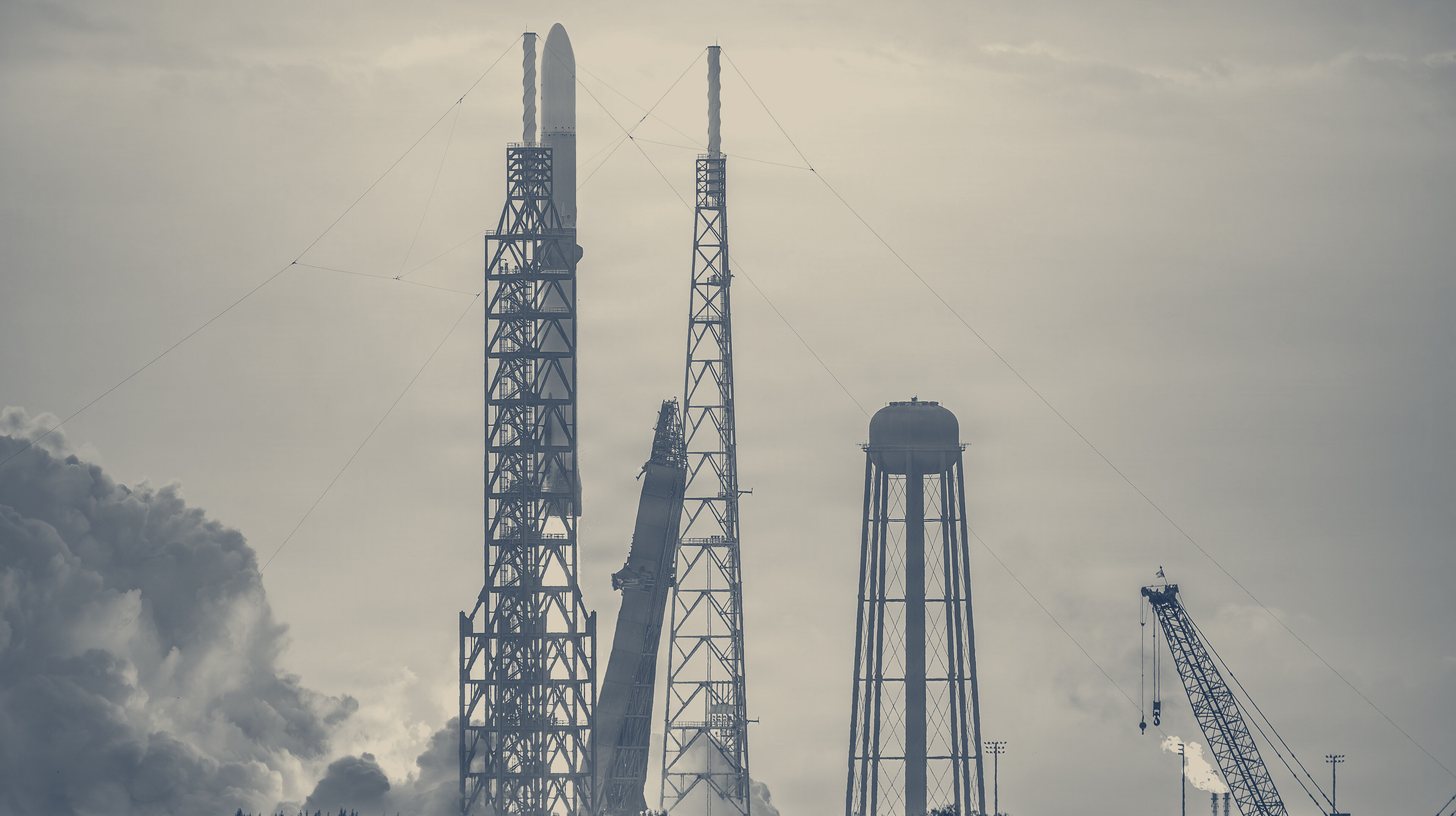
- Montana already hosts testing facilities including the Montana Spaceport & Test Range and the Big Sky Autonomous Systems Range near Bozeman, suggesting existing infrastructure for expansion.
- The Pentagon deferred requests for details to the White House, which referred inquiries back to the Pentagon, indicating approval and siting decisions remain unresolved.
- Sen. Sheehy emphasized the urgency of adapting U.S. development infrastructure to modern warfare realities or risk falling behind adversaries who iterate faster.
Financial impact
- The $10 million feasibility study funds planning and analysis work in FY27, with no capital commitment or construction timeline disclosed.
- Full project cost, construction timeline, and funding mechanism remain undefined pending feasibility study results.
The intrigue
- No details disclosed on exact location within Montana, when operations will begin, which systems will be tested, or total project cost.
- Existing facilities like Montana Spaceport & Test Range and Big Sky Autonomous Systems Range already conduct similar testing, raising questions about whether new construction or expansion of existing assets is intended.
The fine print
- The $10 million is authorized for a feasibility study only; no full project funding has been appropriated or committed.
- Timing not disclosed for when the feasibility study will conclude or when decisions on siting and construction will be made.
Source: twz.com · Oct 15, 2026 · Drafted with Claude, reviewed by Industrial Base Alpha.