Mentioned:No public companies identified
The U.S. Department of Defense is preparing to expand its military footprint in Greenland beginning in 2027 under a September trilateral agreement with Denmark and Greenland. The effort involves developing two new air bases and modernizing existing radar infrastructure to support Arctic fighter operations and ballistic missile detection critical to NORAD.
What's happening
- Pentagon is assessing infrastructure at Narsarsuaq in southern Greenland and Mestersvig on the eastern coast for military aviation operations starting in 2027.
- Mestersvig has a 1,830-meter gravel runway and previously hosted special operations forces; upgrades would enable transport aircraft and potentially fighter jets.
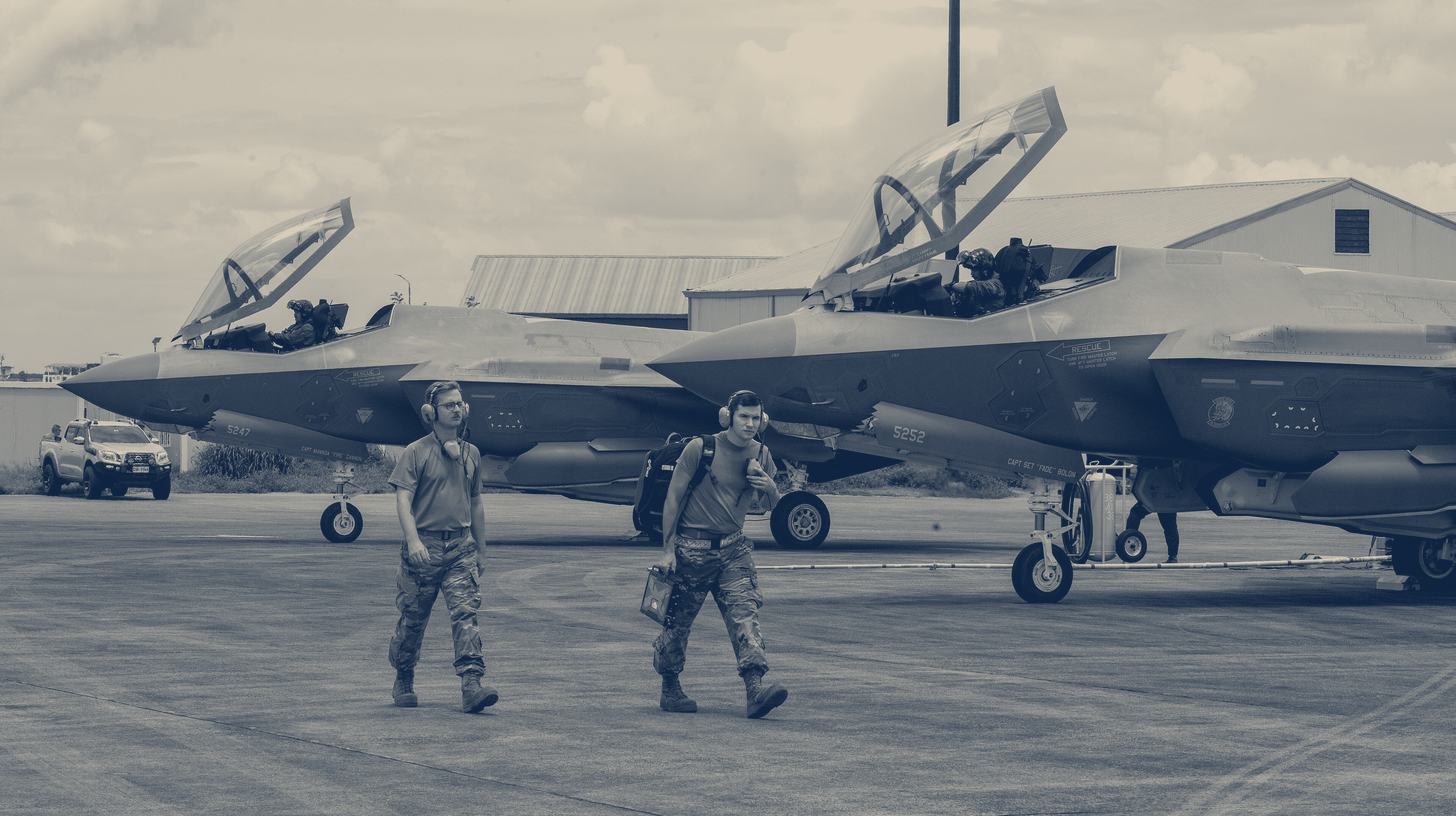
- Narsarsuaq is being evaluated to accommodate C-130 Hercules transport aircraft and, with modifications, fighter jets such as the F-35.
- Pituffik Space Base will undergo modernization including radar upgrades, energy infrastructure improvements, and aircraft hangar enhancements during favorable 2027 weather windows.
- The 12th Space Warning Squadron at Pituffik operates the AN/FPS-132 Upgraded Early Warning Radar, which detects and tracks intercontinental and submarine-launched ballistic missiles for NORAD.
Why it matters
- Additional Arctic air bases increase U.S. capacity to deploy fighters and transport aircraft across the High North, improving response times to regional contingencies.
- Modernized early warning radar at Pituffik strengthens North American ballistic missile detection and threat assessment, directly supporting NORAD's strategic warning mission.
- The expansion establishes flexibility in Arctic operations without requiring permanent unit stationing, allowing temporary detachments to respond to emerging security requirements.
- Enhanced infrastructure at three installations reduces logistics strain and operational dependency on constrained Arctic airfields, critical as regional military activity increases.
Going deeper
- A September 22, 2026 trilateral agreement supplements the 1951 U.S.-Greenland defense treaty, establishing procedures for developing additional military infrastructure subject to Danish and Greenlandic consultations.
- Pentagon officials stated in October 2026 that commanders sought additional deployment options with no decision yet made on permanent unit assignments to the new bases.
- Initial construction windows depend on Arctic weather; planners are timing early work for 2027 summer conditions before seasonal constraints return.
The intrigue
- No specific aircraft types or unit compositions have been confirmed for the new bases, leaving the scale and character of Arctic operations undefined pending further strategic planning.
- Runway modifications required to support fighter operations at Narsarsuaq remain unspecified, creating uncertainty about actual construction scope and timeline.
The fine print
- Initial operational capability is targeted for 2027, but specific capabilities assigned to each installation have not yet been determined.
- Construction schedules depend heavily on Arctic weather windows, which may delay or extend the implementation timeline.
- No funding amount has been disclosed; the expansion is authorized under policy but capital requirements remain undisclosed.
Source: armyrecognition.com · Oct 21, 2026 · Drafted with Claude, reviewed by Industrial Base Alpha.