Nominal raises $240M Series C at $3B valuation for defense AI platform
The Austin-based AI hardware engineering platform raised $240M Series C, tripling its valuation to $3B in eight months after winning a $71.2M Air Force STRATFI contract.

The Austin-based AI hardware engineering platform raised $240M Series C, tripling its valuation to $3B in eight months after winning a $71.2M Air Force STRATFI contract.

Leidos CEO Tom Bell disclosed the company holds 212 Other Transaction Agreement contracts totaling $6.6B in ceiling value, with 33 awarded in fiscal 2026 alone. OTAs enable faster procurement than traditional FAR contracts.

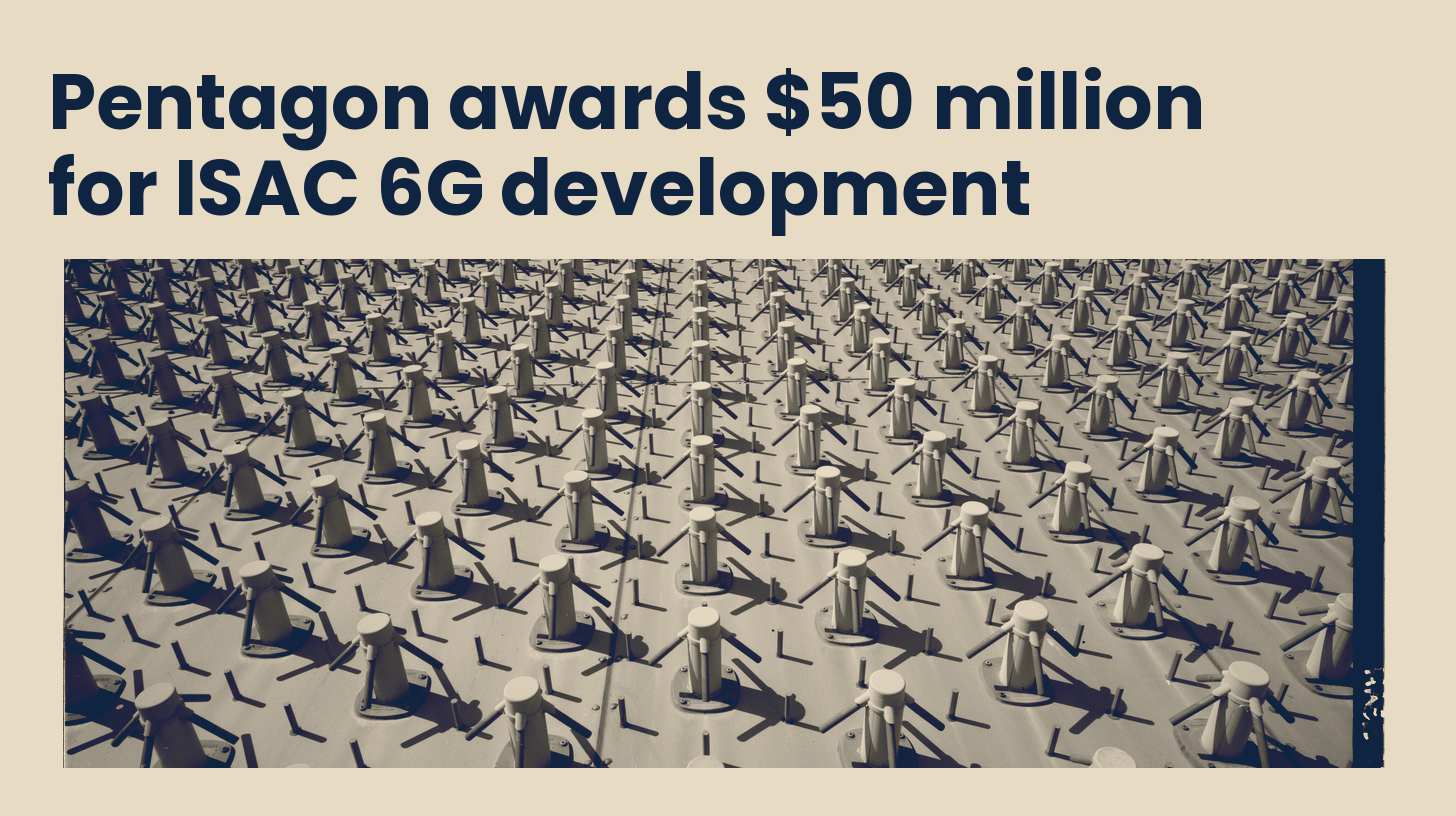
The FutureG Office and National Spectrum Consortium distributed $50 million across eleven teams to develop integrated sensing and communications prototypes for 6G military and commercial use.

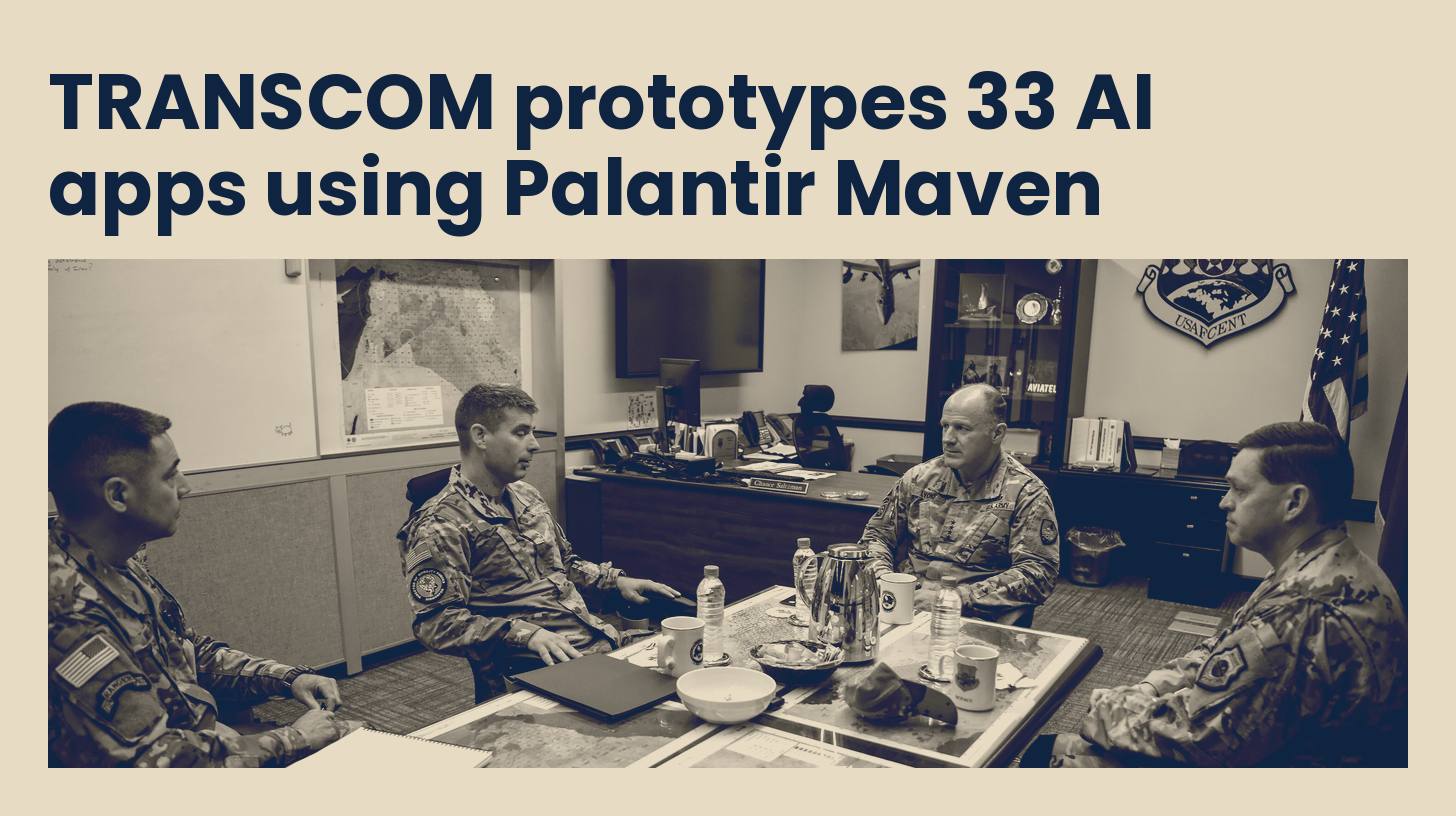
U.S. Transportation Command embedded data scientists alongside operators to generate 33 AI-enabled applications in two weeks using Palantir's Maven Smart System during the Iran war.

OpenAI captured over $550 million in government contracts across five federal agencies in September and October 2026, while hiring national security executives from AWS, Oracle and former Army Secretary Dan Driscoll.

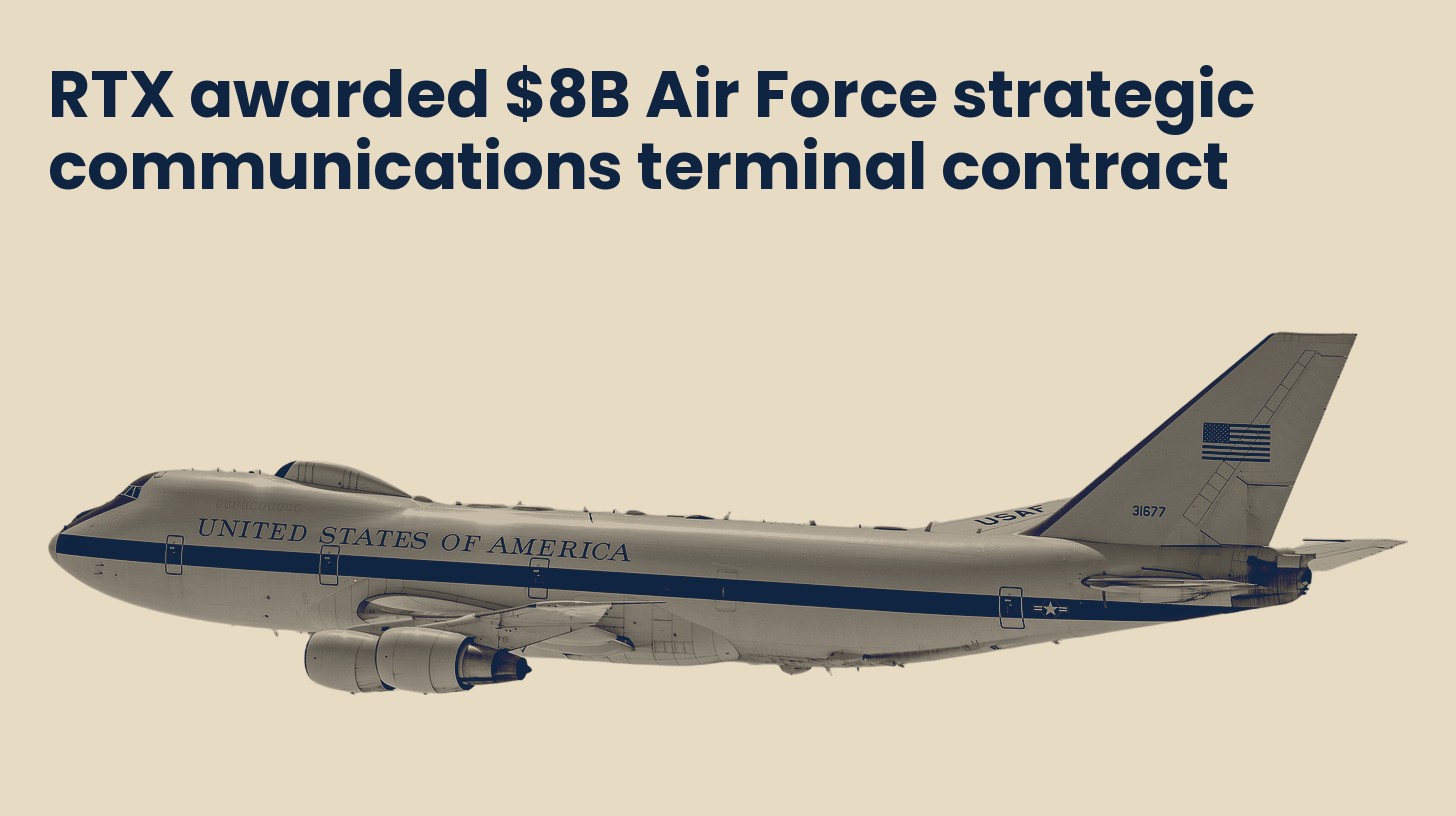
RTX received an $8 billion cost-plus-fixed-fee IDIQ contract from the Air Force Nuclear Weapons Center to modernize and restart production of Strategic Communications Terminals through 2036.

Dulo, co-founded by Sebastian Thrun and Adrian Aoun, raised $130 million in seed funding to build AI foundation models for hardware design and engineering, extending AI capabilities into defense-critical physical product development.

Salesforce is buying Rune Technologies, an AI logistics software company serving the U.S. military, for $375M in cash and stock. The deal bolsters Missionforce, Salesforce's defense unit, which has grown 80% year over year.

Latvia inaugurated AlliedTechLabs, an international defense technology testing center for 5G/6G, AI and autonomous systems, with the U.S. FutureG office and NestAI committing up to €1 million over three years.

The UK Ministry of Defence appoints its first Director General Innovation to oversee 4,800 experts and a ringfenced £3.7 billion science and technology budget over four years, consolidating defence innovation units to accelerate emerging technology adoption.

Smack Technologies secured a $7.5 million Other Transaction Agreement with U.S. Special Operations Command to prototype Omega, an AI-powered military planning platform designed to generate courses of action and operate offline in contested environments.

The Department of Defense issued formal guidance on Oct. 20 requiring large language models to meet 'truth-seeking' and 'ideological neutrality' principles, with contracting templates for all military departments.

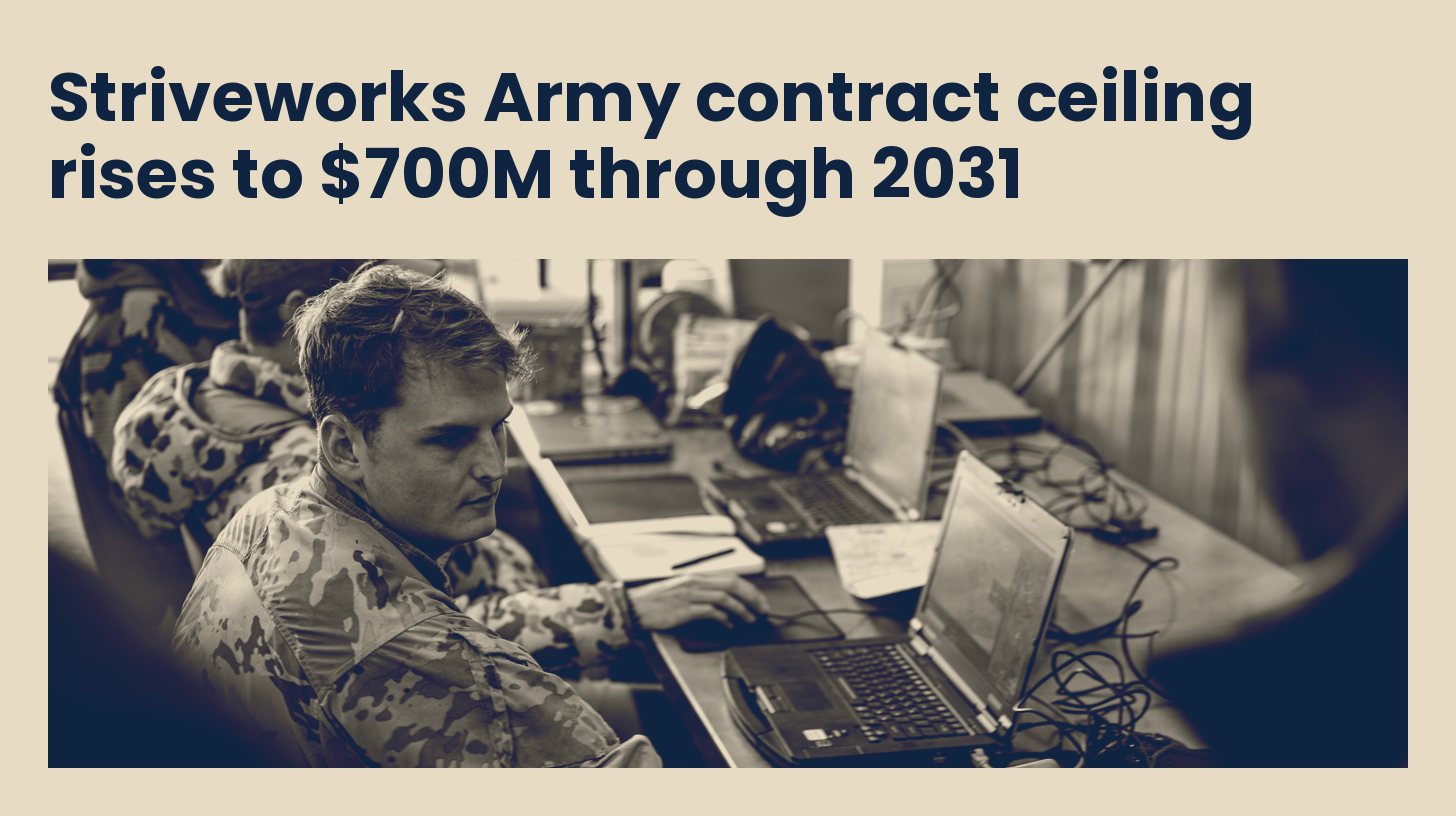
Striveworks expanded its Army software contract from $70M to $700M under an indefinite delivery, indefinite quantity agreement running through 2031 for its Chariot AI platform.

DISA awarded Leidos an $11 billion contract expansion to migrate all combatant commands to DoDNet by September 30, 2028, but the sole-source award faces a bid protest from Competitive Range Solutions.

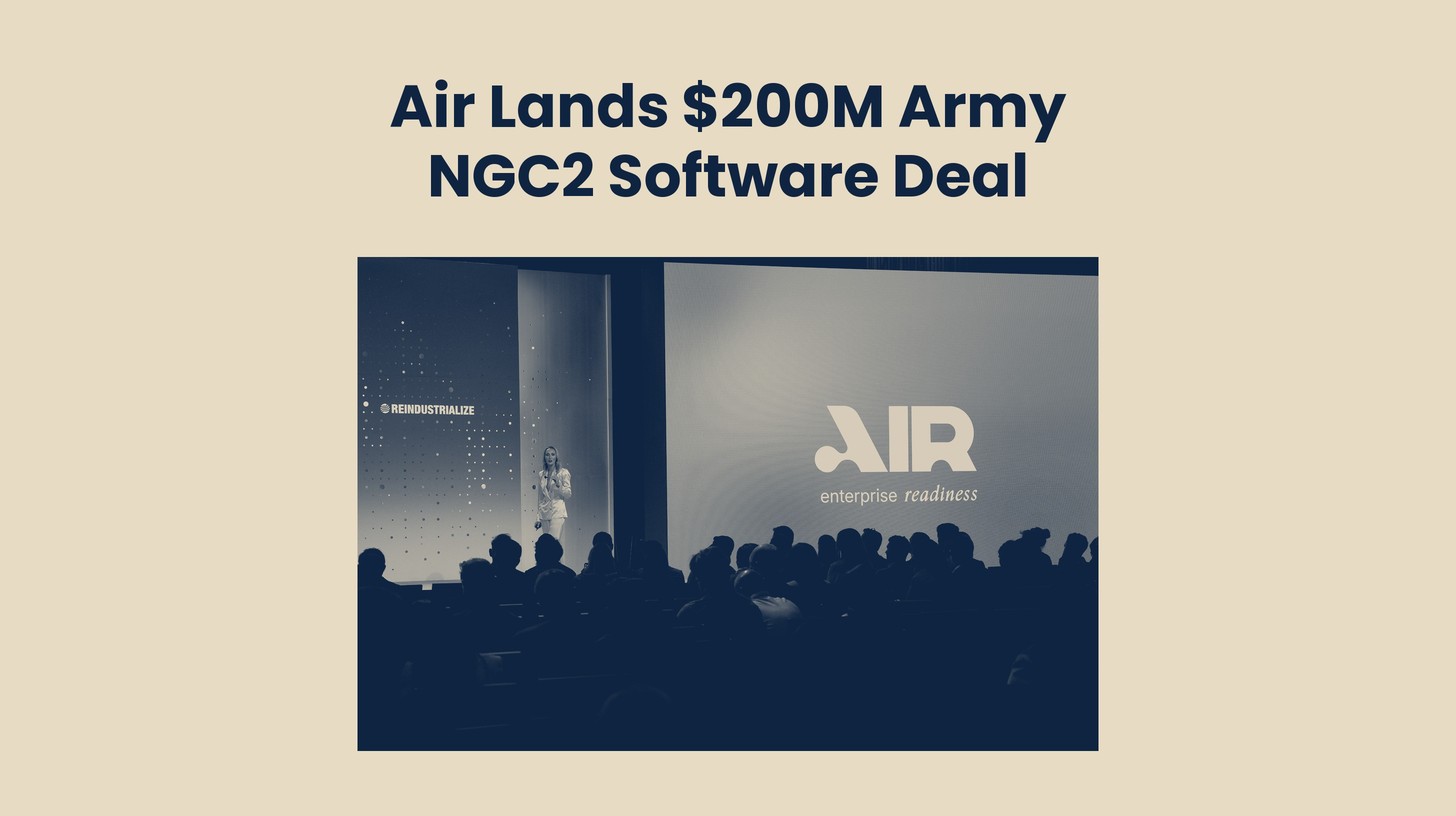
Air says it won a five-year, $200 million Department of War contract to deliver NGC2 command and control software to the U.S. Army, beginning with I Corps as the service scales the platform toward operational deployment.

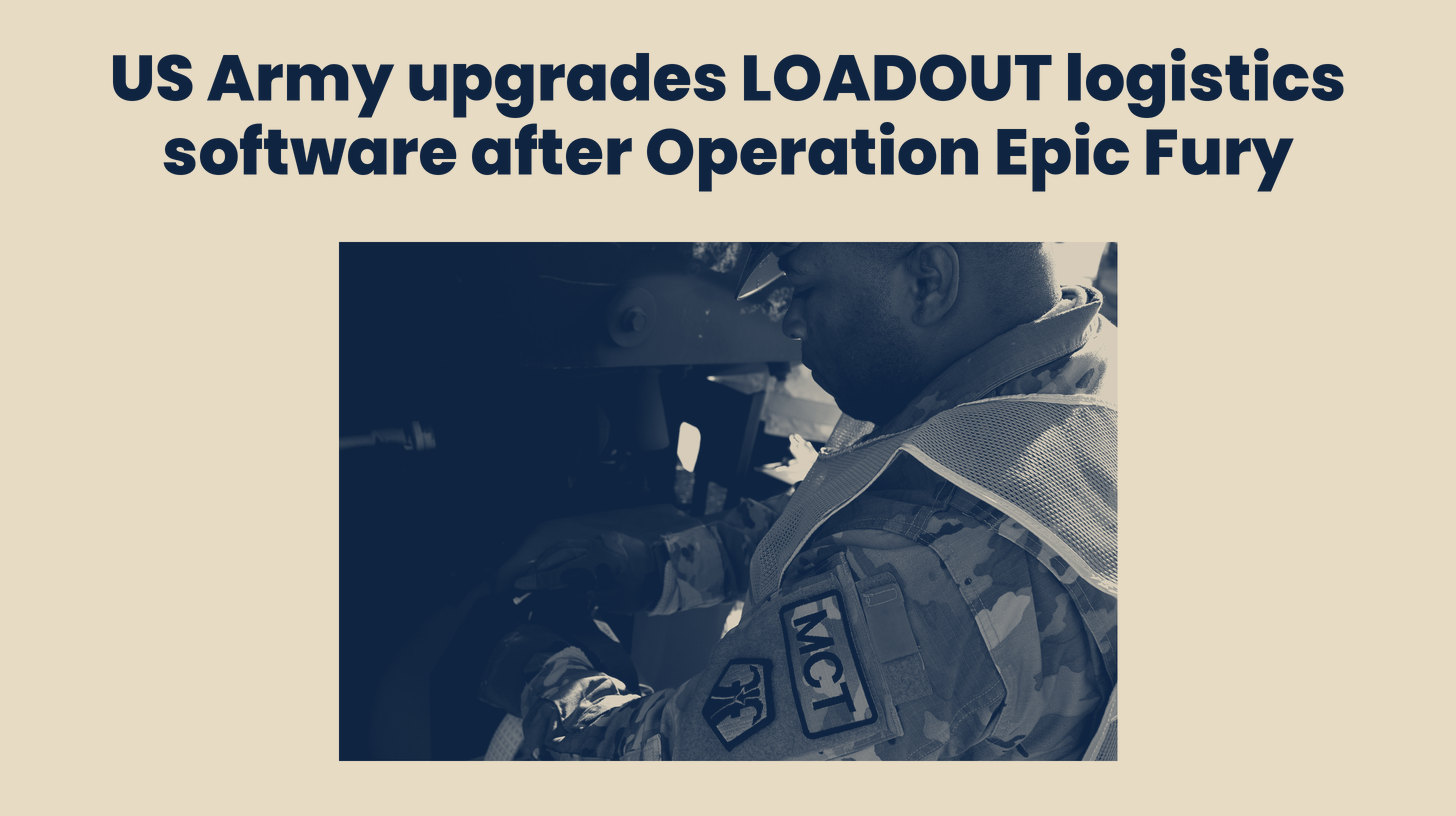
The U.S. Army enhanced its military transportation software with real-time visibility dashboards, improved cargo manifests, and Priority 1 mission-critical request banners following supply-chain coordination problems during the Iran war.

GUDEA, founded by former military intelligence professionals, raised $7 million in seed funding to expand its AI platform that detects inauthentic online activity and information operations across dozens of platforms.

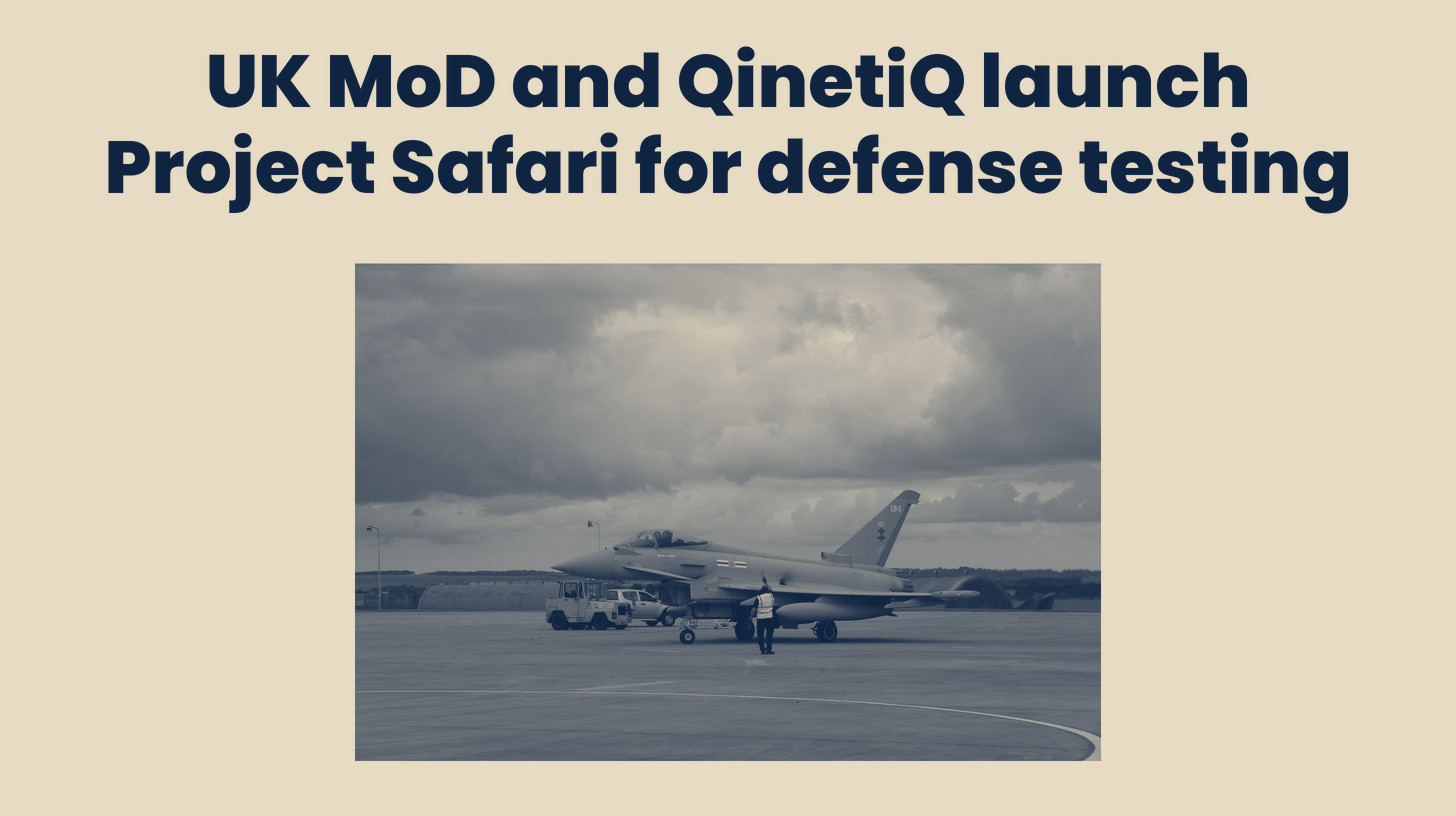
UK Ministry of Defence and QinetiQ launched Project Safari to reduce barriers for SMEs accessing military test facilities, supporting a Strategic Defence Review goal to increase annual defense spending with SMEs by £2.5 billion by summer 2028.

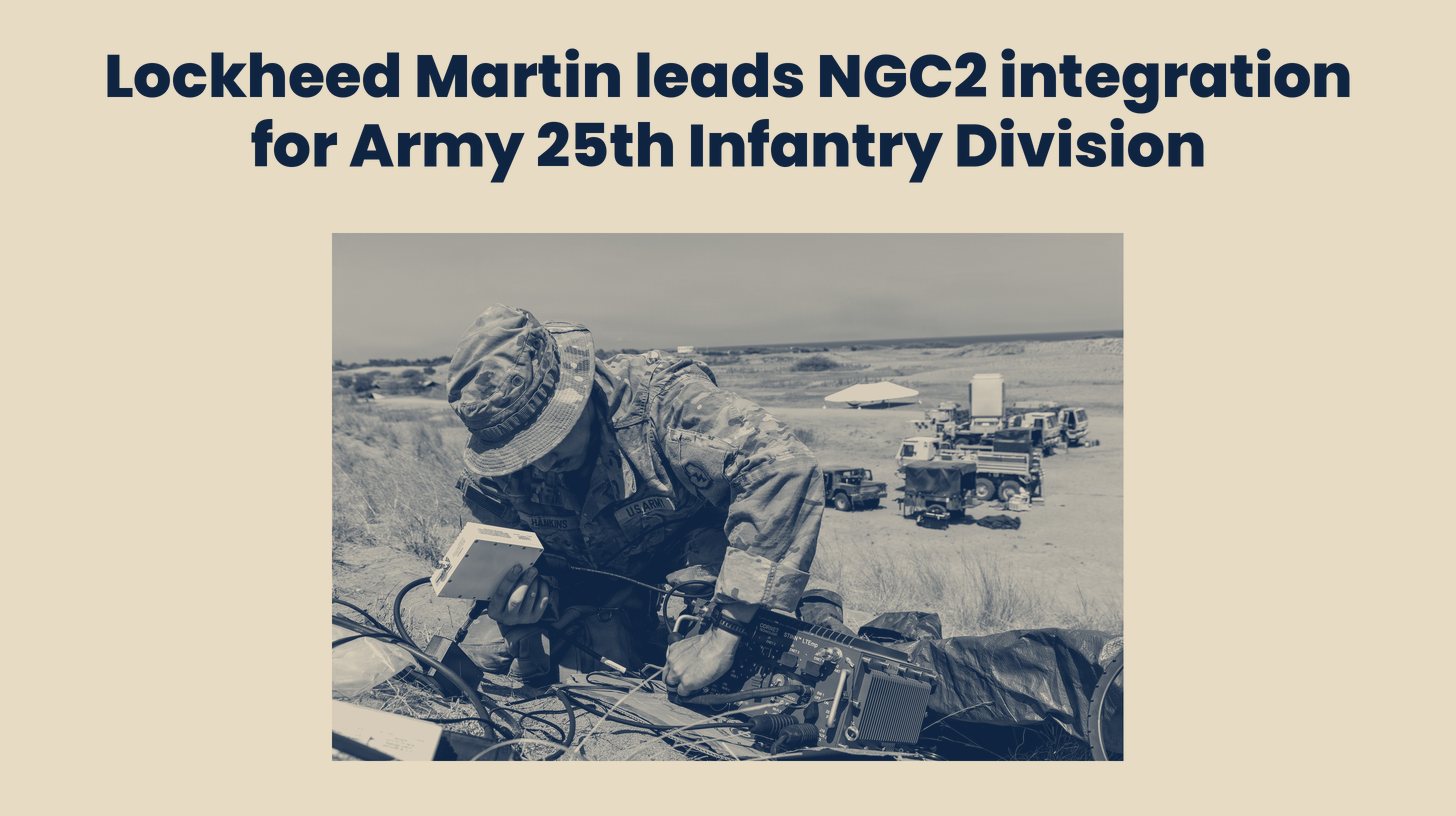
Lockheed Martin demonstrated Next Generation Command and Control architecture integration for the 25th Infantry Division during Lightning Surge 5, linking battlefield data, fires and sustainment across tactical operations.

The Trump administration announced $6 billion in federal science commitments across agencies and industry partners, including $2.4 billion from 11 companies to the Genesis Mission Consortium and $350 million in Defense Department quantum computing initiatives.

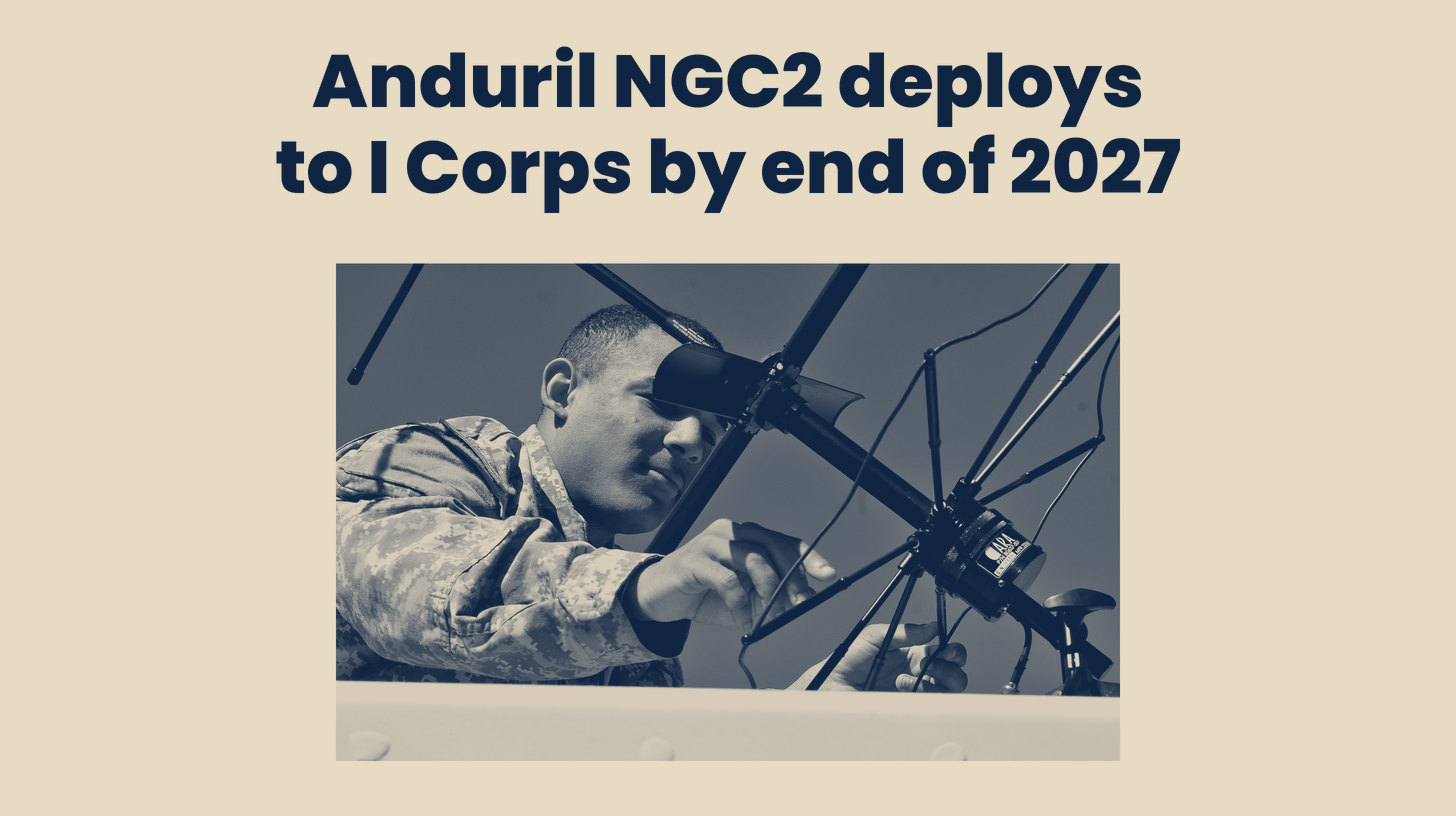
Anduril will deploy its Next Generation Command and Control architecture across Army I Corps by end of 2027, with rollout to additional divisions planned for subsequent years.

The Defense Innovation Unit launched the Bridge Program in August to lower barriers for small businesses and nontraditional contractors to access classified defense programs through Top Secret clearances, portable secure facilities, and private capital partnerships.

The Defense Department awarded $350 million in contracts since December to Alvarez & Marsal entities, including a $281 million no-bid deal, raising ethics concerns tied to George Kollitides, a former A&M partner now leading Pentagon procurement.

The Army awarded Anduril $162.8M to build the Next Generation Command and Control common data layer for I Corps in the Pacific, with options potentially raising total value to $1.8B over five years.

The startup behind the Pentagon's counter-drone marketplace secured a five-year IDIQ worth up to $49M from the Army, with an initial $43M task order for classified mission and enterprise workflow applications.

Ditto, a peer-to-peer data transfer company, won a $17M APFIT contract with U.S. Special Operations Command to deploy its platform for real-time data sharing between humans and autonomous systems in communications-denied environments.

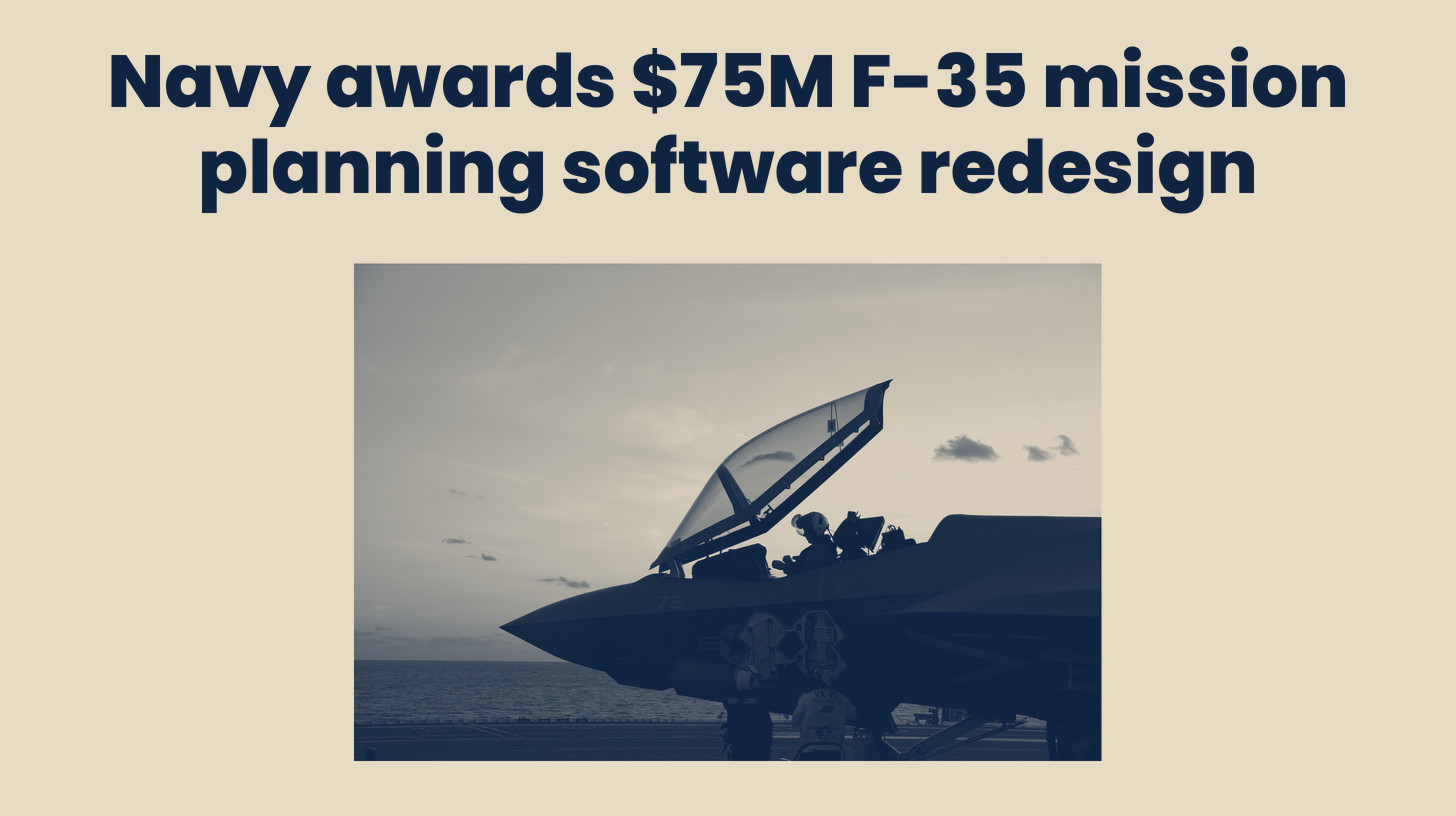
The Naval Air Warfare Center Weapons Division plans a five-year follow-on contract worth $50 million to $100 million for engineering support to redesign F-35 Mission Planning Environment software, with award expected May 2027.

The U.S. Air Force added $12.1 million to Scale AI's contract to develop autonomous AI agents for the E-4C Survivable Airborne Operations Center, raising total value to $44.3 million through November 2027.
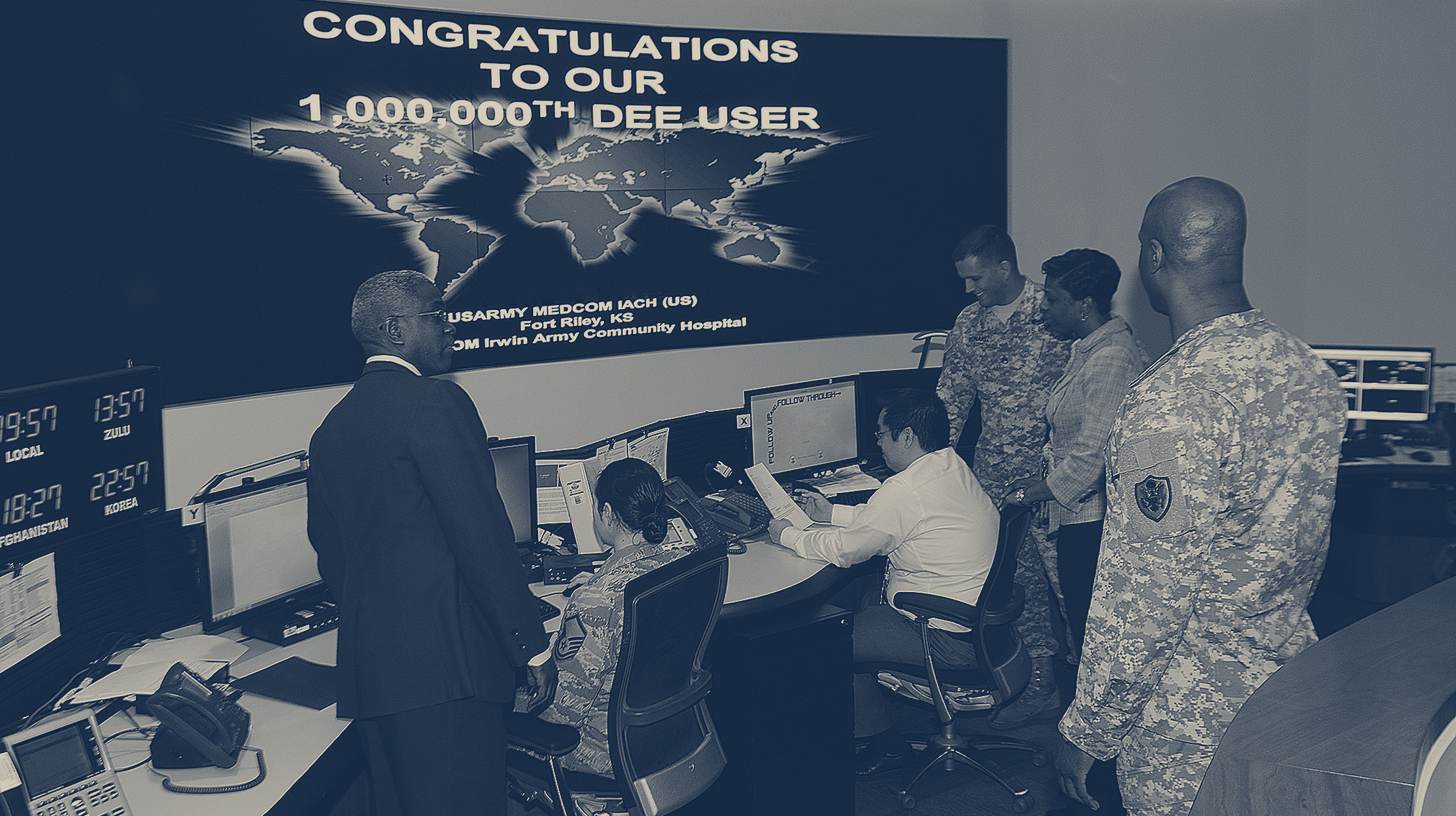
DISA added combatant command network migration work to Leidos' Defense Enclave Services contract, keeping the $11.5B ceiling unchanged. The agency cited Leidos as the sole vendor capable of meeting a Sept. 30, 2028 migration deadline for zero-trust compliance.
Temporal, a Bellevue-based AI infrastructure company, raised $550M in Series E funding at a $12.55B valuation. Annualized revenue exceeds $250M, up 200% year-over-year, with customers including OpenAI, Nvidia and Netflix.
The Department of Veterans Affairs raised the ceiling on its Oracle electronic health record modernization contract to $27 billion from $10 billion, citing unanticipated complexities. Congress issued subpoenas demanding Oracle executives explain the $17 billion increase.
Defense Unicorns won a $350 million firm-fixed-price IDIQ contract from the Army to provide open-source software delivery capability through September 2031, following its $136 million Series B funding round.
Pentagon doubled Maven's user base to over 100,000 personnel and raised the contract ceiling to $1 billion, following the system's operational role supporting 13,000 targeting decisions during Operation Epic Fury.
Detroit Defense acquired Athenix Solutions Group to combine systems engineering with intelligence operations and cyber capabilities for Department of War and intelligence community customers.
A federal appeals court upheld the Defense Department's March blacklisting of Anthropic as a national security supply chain risk, barring the AI startup from military work over its refusal to remove safety guardrails on autonomous weapons.
The D.C. Circuit Court of Appeals upheld the Defense Department's designation of Anthropic as a supply-chain risk, barring Pentagon employees and contractors from using Claude AI for defense work.
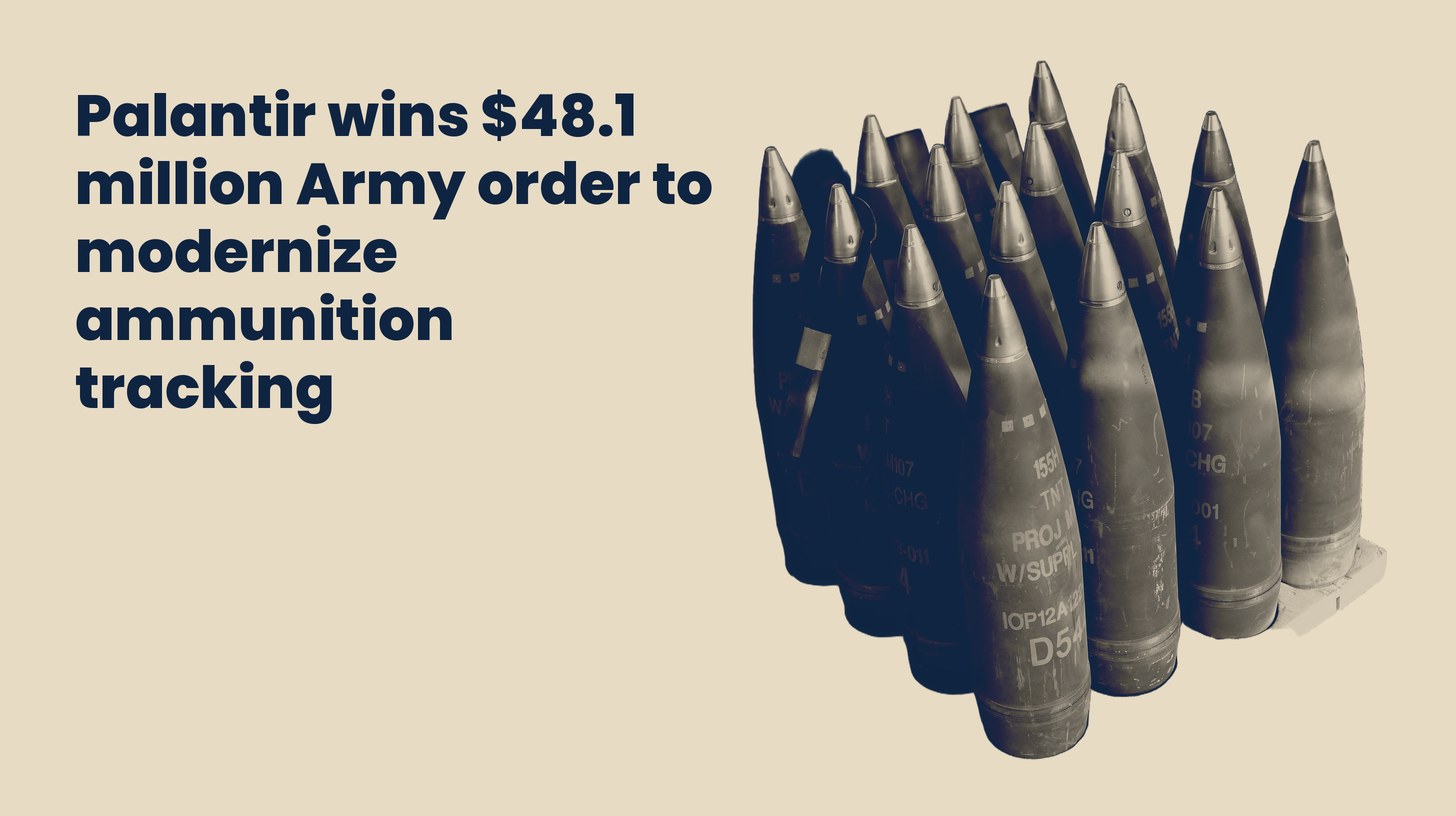
The Army awarded Palantir USG a $48,094,071 firm-fixed-price delivery order to build one software platform replacing nine legacy ammunition management systems.
Valiant secured a five-year, $260 million contract from Army Contracting Command-Orlando to provide mission command training, exercises, and simulation support for Army National Guard units nationwide.
Venn, an AI platform for real estate operators, acquired Zuma, an AI agents developer, for $50 million to integrate leasing and renewal capabilities into its Company Brain platform serving 270 operators across 30 states and five countries.

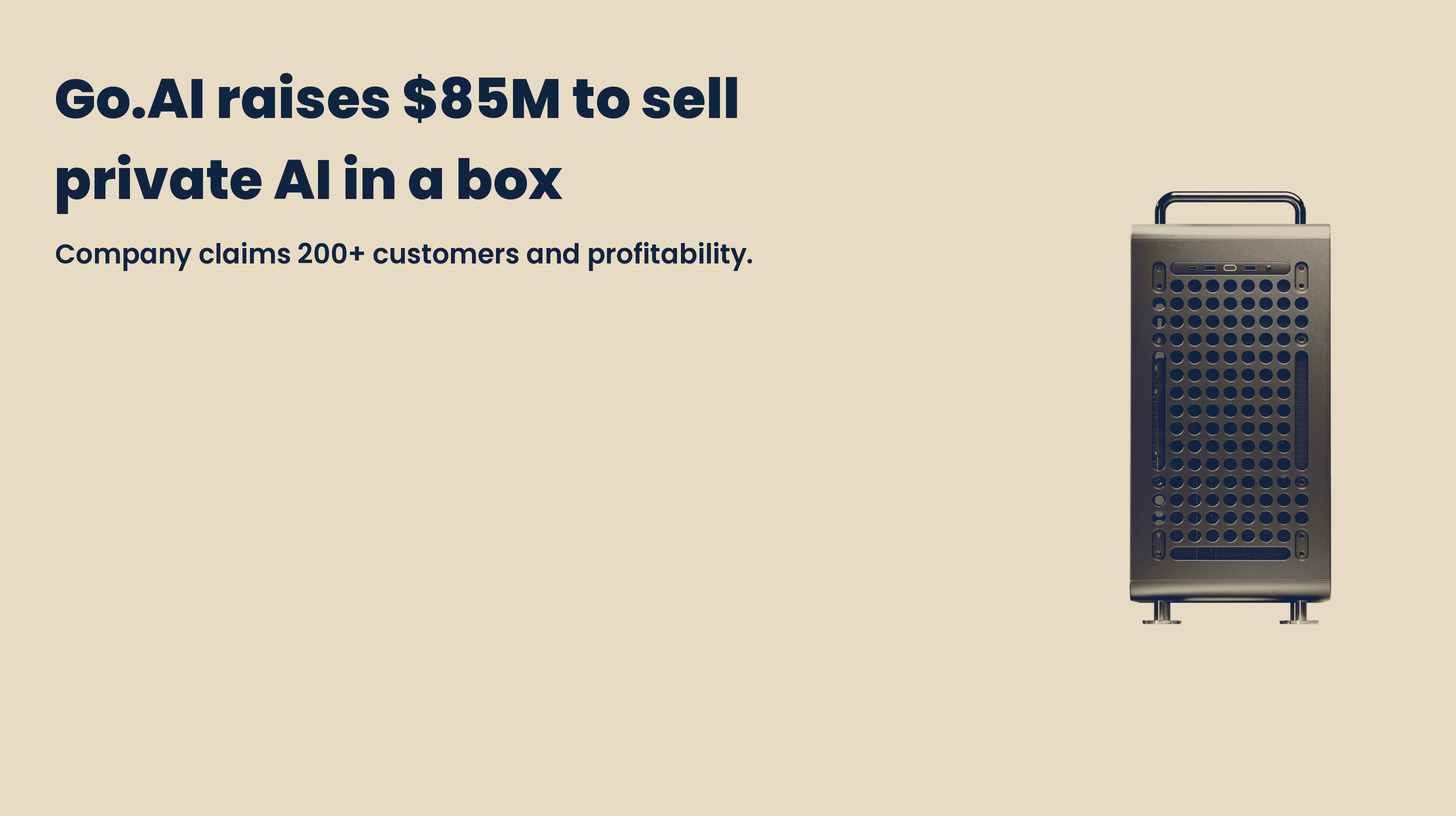
Go.AI closed an $85 million Series A to expand its on-premises AI platform for regulated industries including aerospace and defense, bringing total funding to $90 million.