Mentioned:HelsingStarkRheinmetall$536M · Program/Policy
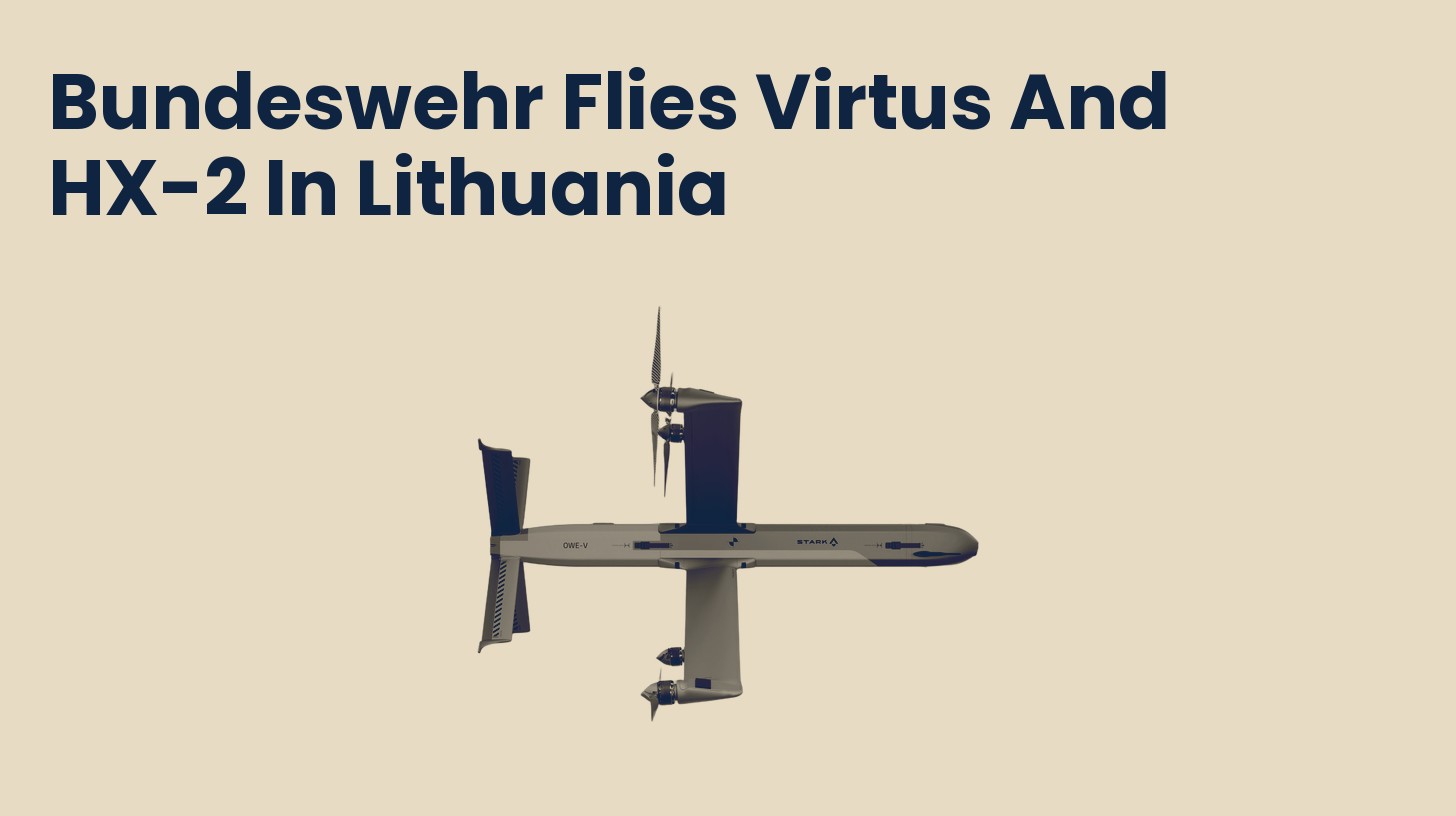
The German Army flew Helsing HX-2 and Stark Virtus loitering munitions against simulated targets at Rūdninkai training ground in Lithuania on November 22, marking the Bundeswehr's first tactical field test of the systems. The test occurred nine months after the Bundestag approved 536 million euros for procurement.
What's happening
- German soldiers launched and controlled both drone systems themselves during Freedom Shield 26-II exercise, a shift from earlier trials when manufacturers operated the systems.
- The brigade deployed approximately 100 of the two loitering munitions against Leopard 2 tanks and infantry fighting vehicles with inert warheads filled with plaster.
- Both systems passed live-fire tests with armed warheads at Meppen proving ground the week of November 9, though the procurement office released no hit counts.
- Helsing's Clarity targeting software assisted in finding and assigning targets during the exercise, though troops first tried the software only days before the test.
Why it matters
- The test demonstrates accelerated integration of autonomous strike capability into NATO force structure, with trained soldiers operating systems within 12 miles of the Belarus border.
- Panzerbrigade 45 is scheduled for first equipping in 2027, making it the Bundeswehr's first major unit equipped with organic loitering munitions.
- The parallel development, testing and qualification model with termination criteria allows the Army to field capability while still resolving system maturity and jamming resilience.
- German procurement office maintains both systems remain in formal qualification, suggesting ongoing technical risk and performance validation requirements.
Going deeper
- Stark Virtus failed all four attempts during British and German trials in October 2025, then was selected for procurement three months later after Rheinmetall's competing system failed to produce a working demonstrator.
- German soldiers trained on the systems for little over one year before conducting the first tactical test, moving faster than typical European acquisition timelines.
- A third loitering munition system from Rheinmetall is due to join the Helsing and Stark systems in qualification, expanding the Bundeswehr's options.
- Panzerbrigade 45 currently deploys approximately 1,800 troops in Lithuania with Leopard 2 tanks fitted with improvised cages to defend against small drones.
Financial impact
- German Bundestag approved 536 million euros for initial procurement, with the defense budget committee capping the framework at 2 billion euros and requiring a new parliamentary vote for amounts exceeding that threshold.
- First deliveries are due before the end of 2026 for training and exercises, with broader brigade equipping starting in 2027.
- Panzerbrigade 45 is planned to reach approximately 5,000 troops and 2,000 vehicles by end of 2027, defining the scale of initial loitering munition integration.
- Helsing plans to establish manufacturing capability in Martinsburg, West Virginia, suggesting potential U.S. production contract expansion in future procurement phases.
The intrigue
- The procurement office release does not state whether the strike drones flew against electronic jamming during the exercise, leaving unresolved a critical operational question raised by Ukrainian combat experience.
- Clarity targeting software was first tried on troops only days before the tactical test, raising questions about the maturity of the system integration ahead of brigade equipping in 2027.
- Army chief Freuding told lawmakers 'If it started tonight, this stuff would be used,' but the systems remain in formal qualification and have not demonstrated resilience to jamming or link loss.
The fine print
- Both Helsing HX-2 and Stark Virtus remain in qualification; first equipment to Panzerbrigade 45 is not due until 2027.
- The tactical test used inert warheads filled with plaster; crews operated within 62-mile range restrictions due to Belarus proximity, not testing maximum system range.
- Contracts include parallel development, testing and qualification with termination criteria written in, allowing the Bundeswehr to exit if performance criteria are not met.
- Parliament required a new vote for any procurement framework exceeding 2 billion euros, creating a secondary approval gate for follow-on orders.
Source: dronexl.co · Nov 23, 2026 · Drafted with Claude, reviewed by Industrial Base Alpha.