
Mentioned:No public companies identified
EU defense ministers endorsed eight collaborative defense opportunities spanning missiles, unmanned systems, space sensors, secure cloud and air mobility. The 2026 Coordinated Annual Review on Defence signals coordinated European industrial base planning to reduce dependencies and strengthen autonomous capability.
What's happening
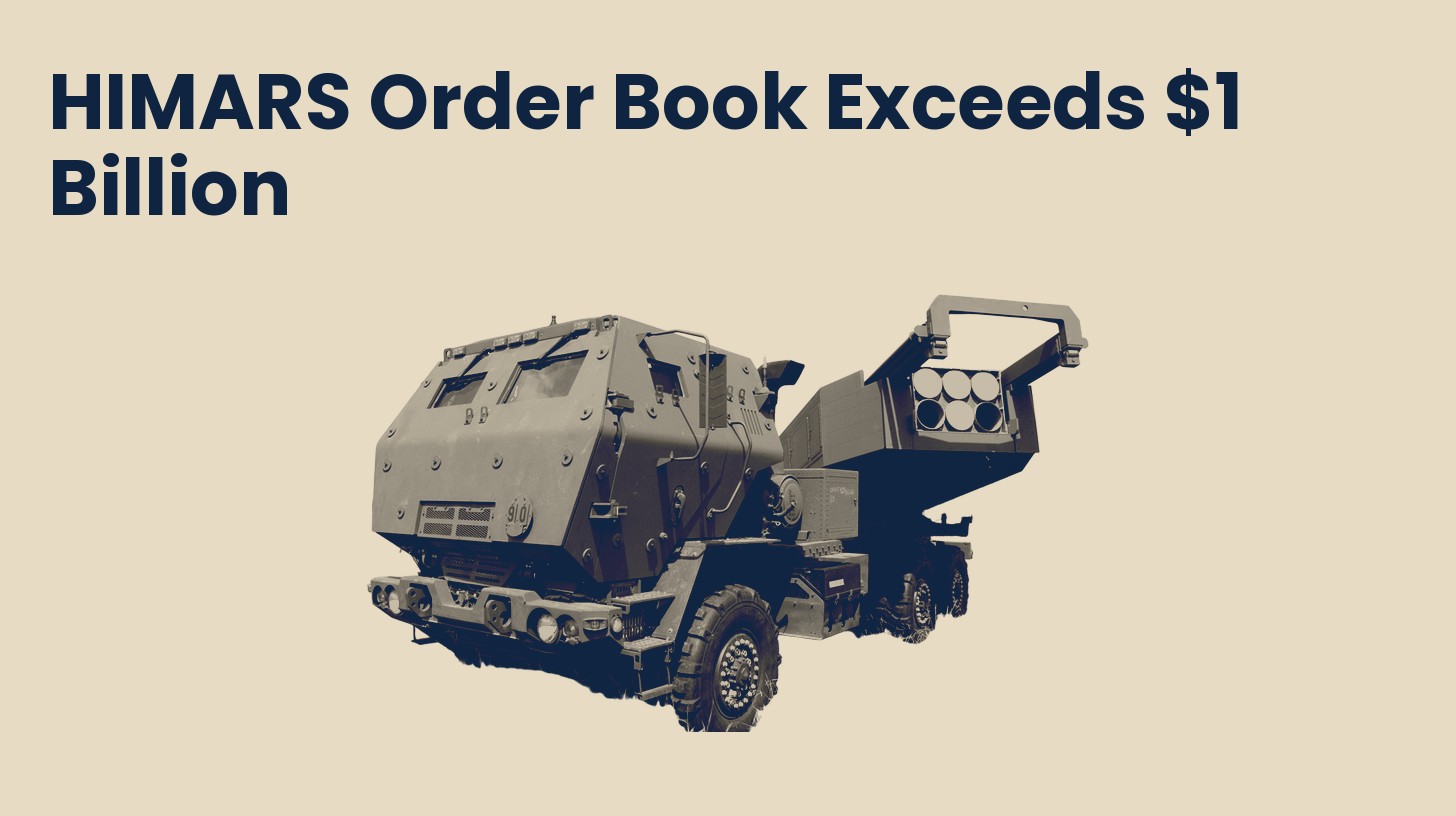
- EU ministers approved cooperation on a family of cruise missiles, long-range artillery using multiple launch rocket systems and long-range air defense interceptors.
- Eight opportunities also include modular, interoperable unmanned ground vehicles and layered counter-drone systems for force protection and critical infrastructure.
- Three strategic enablers were endorsed: space-based early warning and detection, a European secure defense cloud and a European approach to strategic air mobility.
- The endorsement came from the 2026 Coordinated Annual Review on Defence, approved November 17, intended to build shared architectures and reduce single-country development burdens.
Why it matters
- No single EU member can develop and support these capabilities alone, making cooperation necessary to avoid redundancy and strengthen deterrence.
- Shared demand from coordinated procurement gives manufacturers clearer forecasts, enabling production at scale and reducing supply-chain dependencies.
- Joint capability planning at the budgeting stage prevents sequential national procurement decisions that fragment European defense industrial base investment.
- Strategic enablers like space-based early warning and secure cloud allow Europe to operate autonomously without assuming outside access in future contingencies.
Going deeper
- The report identifies delays between technological maturity and operational use, attributing them to sequential management of experimentation, requirements and acquisition.
- Ministers agreed to increase the European Defence Agency budget and leverage the European Defence Industry Programme to support joint acquisition and research.
- CARD recommends balancing immediate readiness requirements with medium- and long-term investment beyond 2030 to avoid visibility of underinvestment after multiple planning cycles.
- The review emphasizes that personnel, training, doctrine, logistics, sustainment and interoperability determine how much defense investment becomes deployable capability.
The fine print
- The eight opportunities require further analysis, stronger member-state involvement and dedicated roadmaps before implementation.
- Cooperation work should build on the European Defence Agency's existing activities and Priority Capability Areas in coherence with NATO frameworks.
- No specific timelines, funding amounts or responsibility assignments are disclosed in the CARD endorsement.
Source: defence-industry.eu · Nov 23, 2026 · Drafted with Claude, reviewed by Industrial Base Alpha.