Mentioned:RaytheonMitsubishi ElectricMitsubishi Heavy Industries
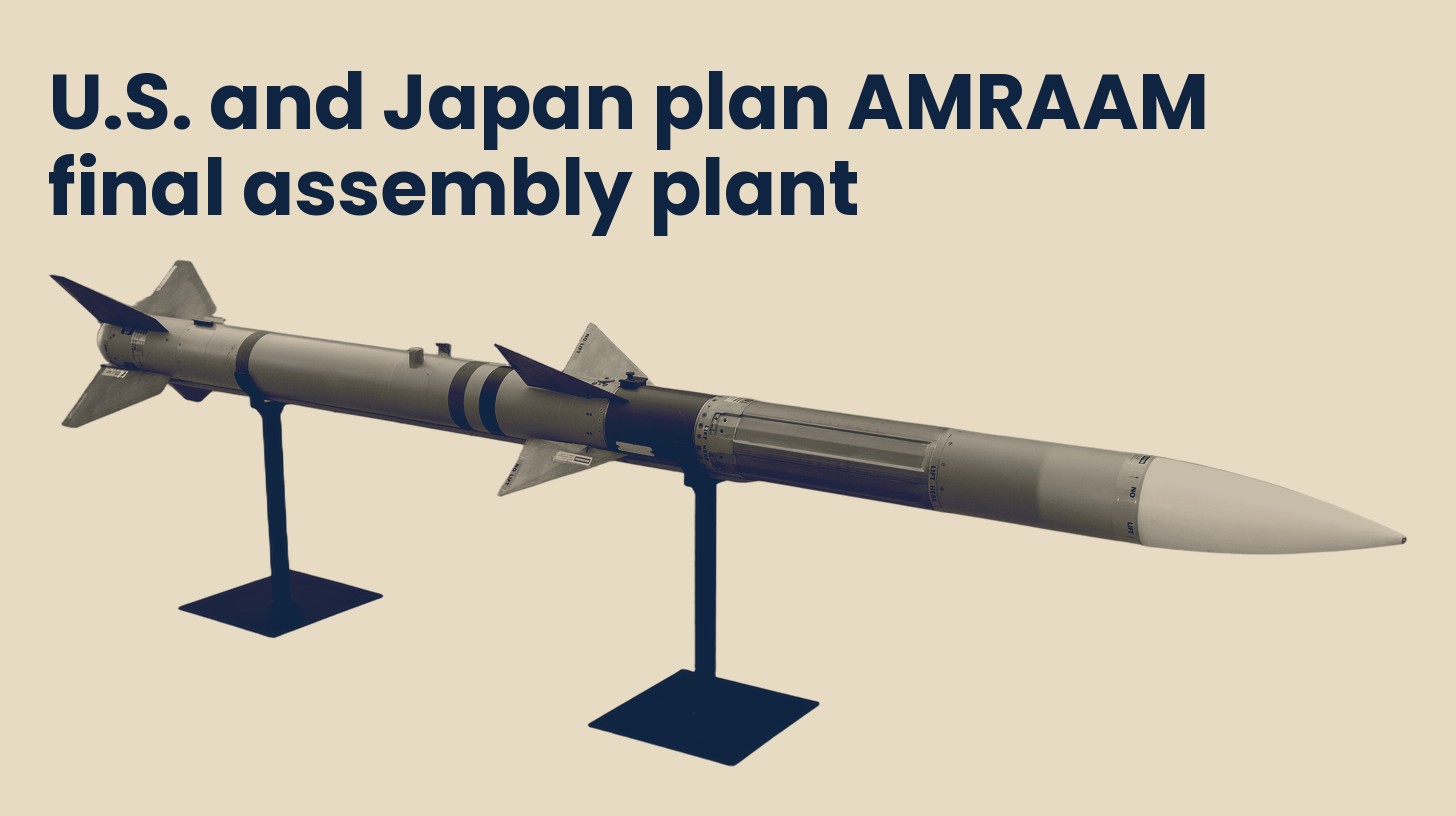
The U.S. and Japan agreed Oct. 28 to establish a final assembly and checkout plant for AIM-120 AMRAAM air-to-air missiles in Japan and to share technical information accelerating SM-3 Block IIA ship-launched interceptor production.
What's happening
- Japan will host a final assembly and checkout (FACO) plant where Raytheon AMRAAM components are assembled, integrated and tested before delivery.
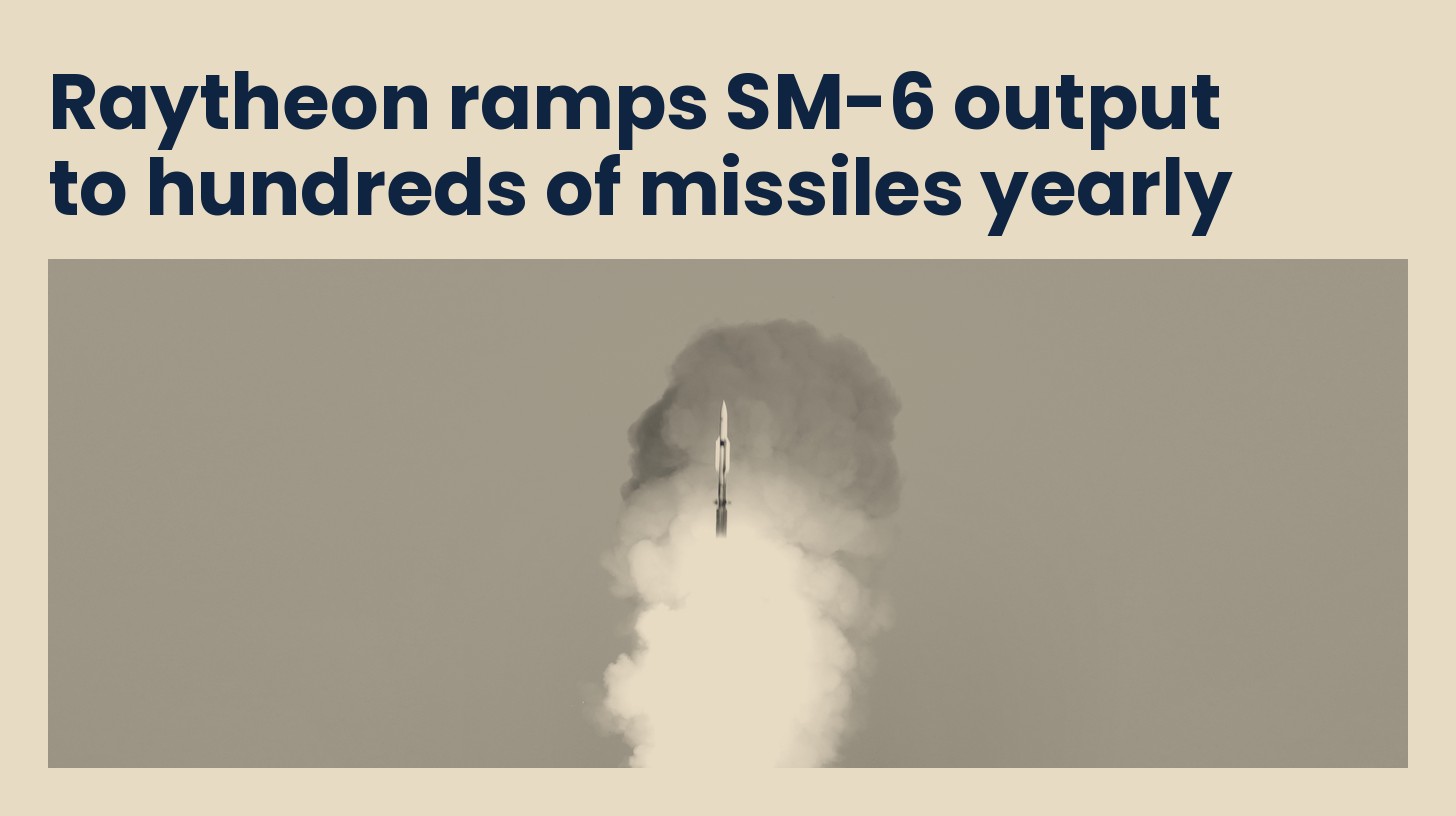
- The two nations agreed to share technical data to expand production of the SM-3 Block IIA ballistic-missile interceptor, which Japan's Mitsubishi Heavy Industries co-developed with Raytheon.
- Japan identified circuit card assembly, the production of AMRAAM electronic boards, as its production share during an April 2026 feasibility study with Mitsubishi Electric and Raytheon.
- Raytheon agreed in February 2026 to raise annual U.S. AMRAAM production to at least 1,900 units.
Why it matters
- Establishes a dedicated allied production base for a missile arming F-15, F-16, F/A-18, F-22 and F-35 fighters across the U.S. and allied air forces, reducing supply chain risk.
- Japan approved purchase of up to 1,200 AMRAAM missiles valued at $3.64 billion in January 2025, making Japan a major customer whose domestic assembly reduces lead times.
- SM-3 Block IIA quadrupled Japanese production under an agreement signed in March 2026, with Japan now funding nearly half of a $745 million summer 2026 contract for the interceptor.
- Distributed production protects the industrial base against single-point manufacturing failure and increases surge capacity across the Pacific alliance.
Going deeper
- The U.S. and Japan first agreed in July 2024 to explore joint AMRAAM and PAC-3 MSE Patriot interceptor production, with the feasibility study completed in April 2026.
- SM-3 Block IIA entered full-rate production in 2024 after Raytheon and Mitsubishi Heavy Industries jointly developed the interceptor over years of collaboration.
- Japan is also strengthening denial defense capabilities through a three-year revision of its main national security documents due by end of 2026.
Financial impact
- Raytheon's backlog expands through Japan's $3.64 billion January 2025 AMRAAM missile purchase and Japan's share of SM-3 Block IIA production orders, recognized over the manufacturing timeline.
- Japan's funding of nearly half of the $745 million summer 2026 SM-3 contract reduces U.S. government program cost, shifting cash outflow timing to allied defense budgets.
- AMRAAM and SM-3 production at Japanese facilities generates revenue recognition for Raytheon and Mitsubishi Heavy Industries as components are assembled and delivered, timing not disclosed.
The fine print
- The FACO facility represents a years-long effort after the feasibility study; no construction timeline or operational date was disclosed.
- The agreement does not specify production volumes, facility location, capital investment, or when assembly operations begin.
- Japan noted that Defense Secretary Hegseth did not press for a specific defense budget increase and the talks were not held with any particular amount in mind.
Source: defence-blog.com · Oct 28, 2026 · Drafted with Claude, reviewed by Industrial Base Alpha.