Mentioned:KestrelXA2G InternationalFleet Adversary Support and Training$5.4B · Contract Award
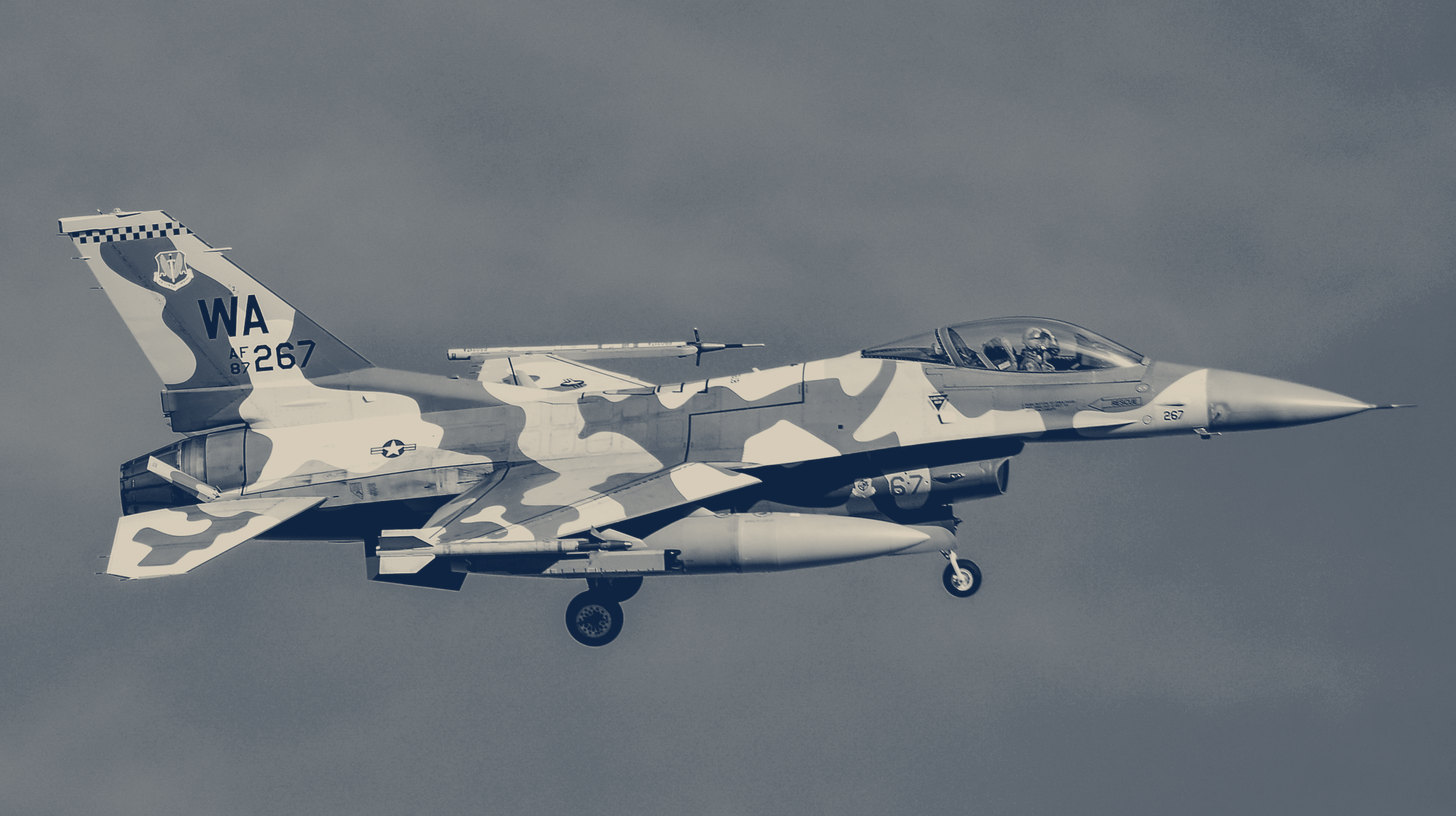
The U.S. Air Force awarded KestrelX, A2G International and Fleet Adversary Support and Training positions on a $5.4 billion adversary air contract on October 15, 2026. The three companies will compete for task orders through October 2029 to supply Red Air training and close air support sorties across the continental United States.
What's happening
- Air Force added KestrelX of Driggs, Idaho, A2G International of Melbourne, Florida, and Fleet Adversary Support and Training of St. Augustine, Florida to the Combat Air Force Contracted Air Support indefinite-delivery/indefinite-quantity contract.
- The contract ceiling is $5.4 billion with work running through October 8, 2029, following a three-offer competition.
- Only $3,000 was obligated at award, with remaining funding to flow through individual task orders issued throughout the period of performance.
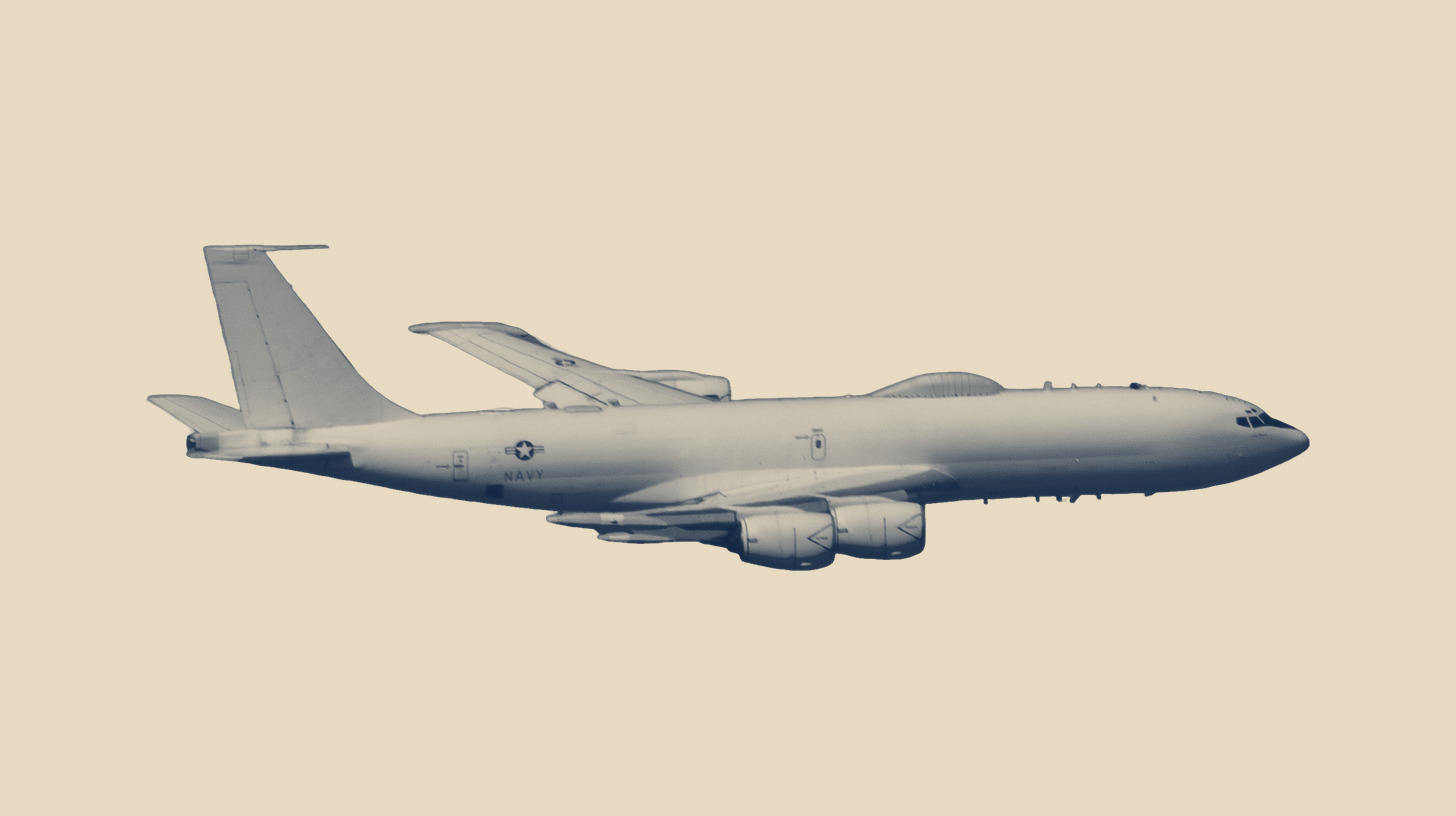
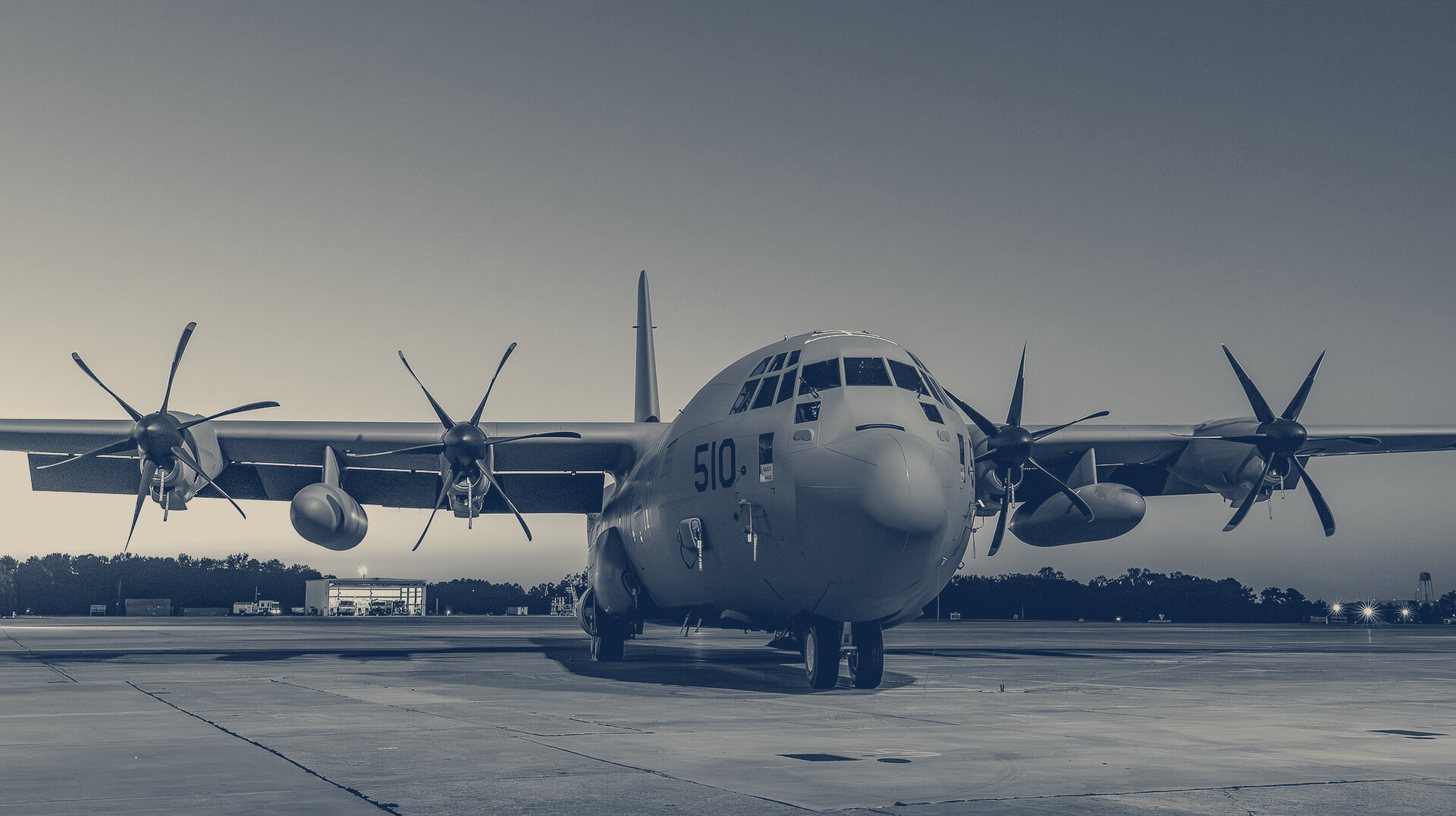
- KestrelX operates small jets and propeller aircraft modified to replicate drones and cruise missiles for adversary training exercises.
Why it matters
- Air Force contracted Red Air fills a capacity gap created by shortage of its own aggressor aircraft and reluctance to use front-line fighters like F-35s for training.
- Three new vendors expand the competitive pool beyond the eight established adversary air companies added in September 2024, creating task-order competition that can lower unit costs.
- KestrelX brings unique capability to replicate unmanned threats, addressing training requirement for adversary air that mimics emerging drone and cruise missile tactics.
- Program architecture with low initial obligation and task-order funding provides Air Force flexibility to adjust spending based on training demand through 2029.
Going deeper
- A2G International operates manned and unmanned aircraft providing intelligence, surveillance and reconnaissance services to U.S. and foreign government customers.
- KestrelX founder Don Moseley is a former U.S. Navy fighter pilot and test pilot who has flown drone-mimicking aircraft in training exercises including Northern Strike 2024.
- The original Combat Air Force Contracted Air Support contract awarded in 2019 had a $6.4 billion ceiling, while the second version awarded September 2024 to eight contractors carries the same $5.4 billion ceiling as this award.
- A 2021 Government Accountability Office report projected adversary air contracts would phase out around 2030 as Air Force stands up its own aggressor squadrons and develops new crewed and uncrewed platforms.
Financial impact
- Contract ceiling of $5.4 billion is indefinite-delivery/indefinite-quantity with only $3,000 in obligated funds at award on October 15, 2026, timing revenue recognition contingent on future task orders.
- Revenue for each of three contractors will be recognized upon issuance and completion of individual task orders throughout the October 2029 contract end date.
- Task-order competition among three new awardees and eight prior awardees establishes downward pricing pressure on per-flight-hour rates and support costs through the contract period.
The intrigue
- KestrelX recently won a separate U.S. Navy contract worth up to $9.99 million for low-observable target aircraft and engineering support, suggesting military appetite for its drone-mimicking capability across service branches.
- Air Force's 2030 target for phasing out contracted Red Air creates uncertainty about task order demand levels after 2029, which could affect contractor capacity planning and profitability.
The fine print
- Work restricted to continental United States through October 8, 2029, with no option years mentioned in the award announcement.
- Ceiling value of $5.4 billion is shared among three new awardees plus eight prior awardees under the September 2024 award, meaning individual contractor upside is constrained by competitive task-order allocation.
Source: defence-blog.com · Oct 15, 2026 · Drafted with Claude, reviewed by Industrial Base Alpha.