Mentioned:Sikorsky$1.5B · Contract Award
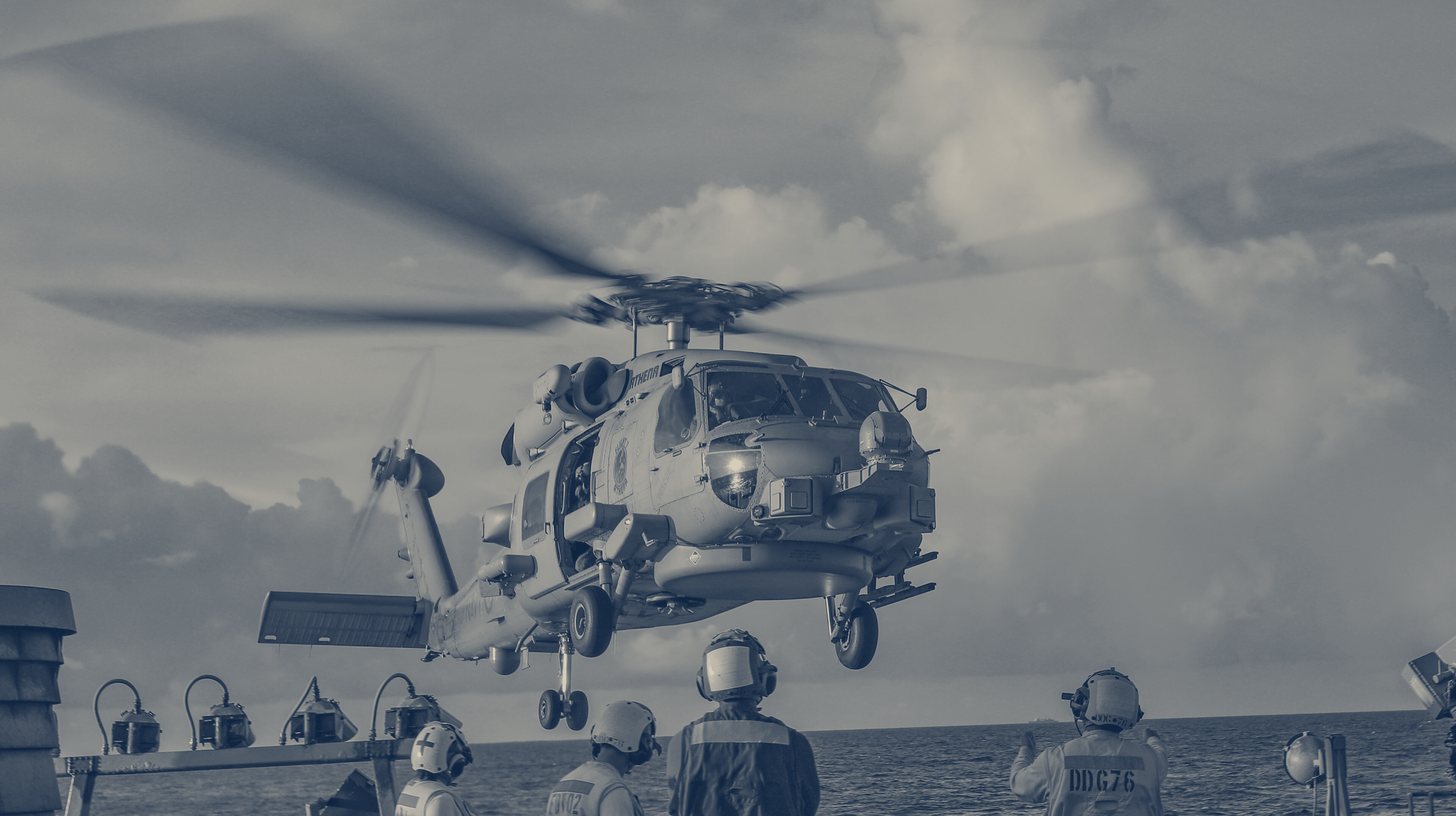
New Zealand signed a $1.5 billion foreign military sale agreement for five Sikorsky MH-60R Seahawk maritime helicopters on October 16, 2026. Deliveries begin in 2030, replacing eight older Kaman SH-2G(I) Super Seasprites currently operating with the Royal New Zealand Navy.
What's happening
- Five MH-60R Seahawks will equip Anzac-class frigates HMNZS Te Kaha and HMNZS Te Mana with anti-submarine and surface strike capabilities starting 2030.
- Armament includes AGM-114R Hellfire missiles, Mk 54 Mod 0 lightweight torpedoes, AN/AQS-22 dipping sonars, and AN/APS-153(V) radars for submarine detection and targeting.
- Capital expenditure totals NZ$1.648 billion ($927.1 million) with NZ$110 million ($61.9 million) in average annual operating funding over ten years.
- An additional $69 million package covers 20 lightweight torpedoes, sonobuoys, and training equipment, equipping each helicopter with four rounds.
Why it matters
- New Zealand's two Anzac-class frigates currently lack dedicated ship-launched anti-ship strike missiles, making helicopter-based Hellfire and torpedo capability a critical gap filler.
- Despite reducing helicopter fleet size by 37.5 percent, the MH-60R introduces modern multi-role capability combining anti-submarine functions with maritime surveillance and surface warfare.
- Link 16 terminals and GPS/inertial navigation with anti-spoofing modules integrate New Zealand's naval sensors into coalition tactical networks for Indo-Pacific operations.
- Dipping sonar and magnetic anomaly detectors provide active and passive acoustic search to counter submarine threats in regional waters.
Going deeper
- The MH-60R combines the anti-submarine role of the SH-60F with the maritime surveillance and surface warfare capabilities of the SH-60B in a single airframe.
- New Zealand selected the MH-60R on August 21, 2025; Washington approved the potential sale on June 5, 2026 before the October 16, 2026 agreement signing.
- Aircraft specifications include 19.76 m overall length, 333 km/h maximum speed, 963 km range, and two General Engine T700-GE-401D turboshaft engines with folding rotors for shipboard storage.
Financial impact
- Sikorsky records $1.5 billion in helicopter sales and $69 million in weapons and sensors as foreign military sale contract value; revenue recognition timing depends on milestone performance through 2030 delivery.
- New Zealand capital expenditure of NZ$1.648 billion ($927.1 million) flows through fiscal years 2026 through 2030; operating costs of NZ$110 million ($61.9 million) annually sustain the program through at least 2036.
- U.S. government foreign military case dollars support defense contractor production rates and sustain allied interoperability with NATO and Five Eyes partners.
The fine print
- Initial deliveries begin in 2030; full fleet will not enter service until years following first delivery, extending capability transition period.
- The deal comprises helicopter airframes, weapons, sensor packages, spare components and training, but total procurement quantities for sonobuoys remain unspecified in the agreement text.
- Link 16 terminals include five installed units and two spares; GPS/inertial navigation systems comprise ten installed units and four spares, suggesting serviceability planning through the fleet life cycle.
Source: armyrecognition.com · Oct 16, 2026 · Drafted with Claude, reviewed by Industrial Base Alpha.