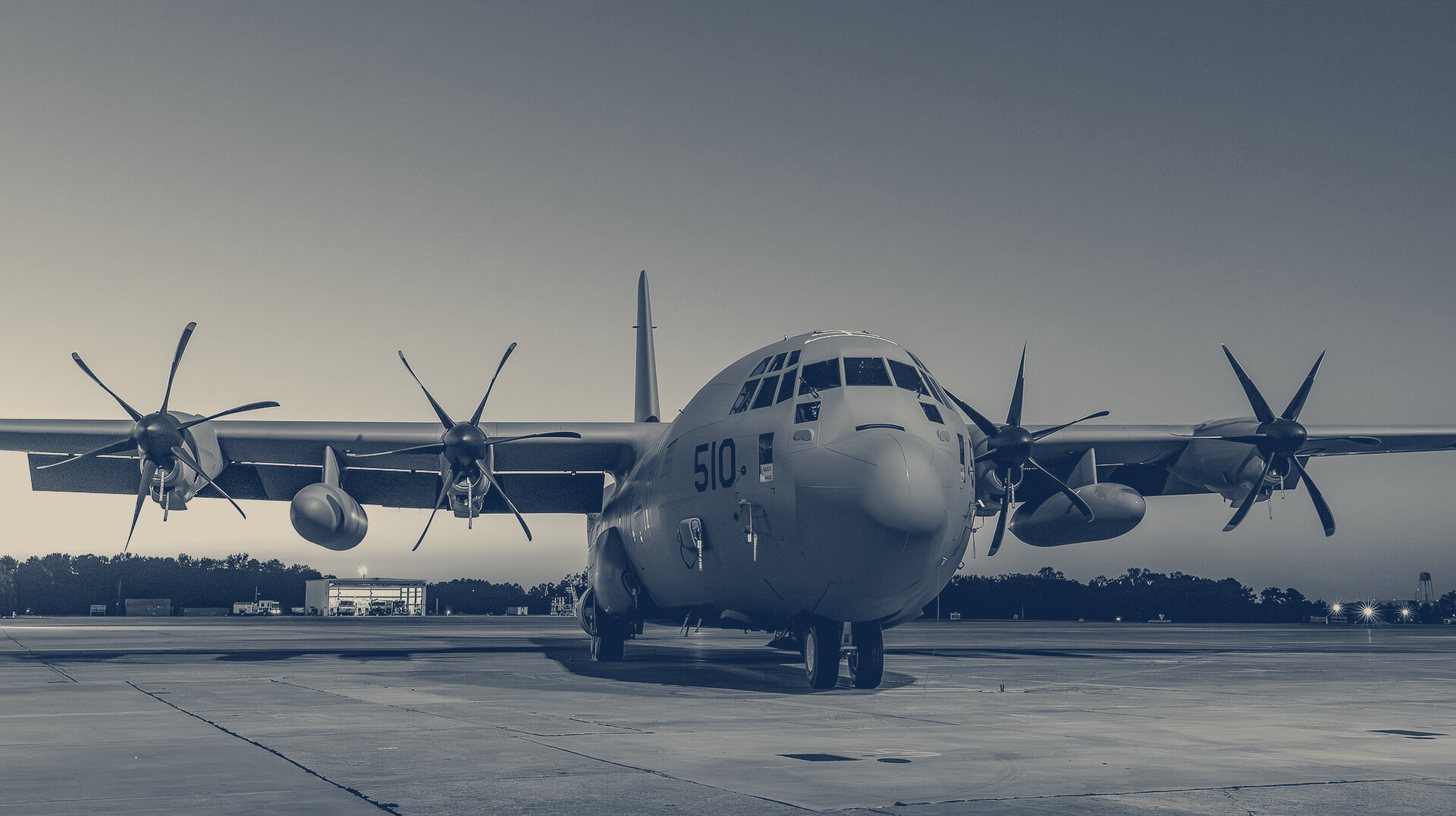
The U.S. Navy accepted delivery of the first C-130J-30 Super Hercules on October 15, 2026, at Lockheed Martin's Marietta facility for conversion to E-130J Phoenix II. The TACAMO recapitalization program will procure 31 aircraft total, doubling current strategic communications capacity for submarine command and control.
What's happening
- Lockheed Martin delivered the first C-130J-30 airframe in Marietta, Georgia on October 15, 2026 for the Navy's E-130J Phoenix II TACAMO program.
- Northrop Grumman will integrate TACAMO mission systems and Collins Aerospace will provide Very Low Frequency communications subsystems into the airframe.
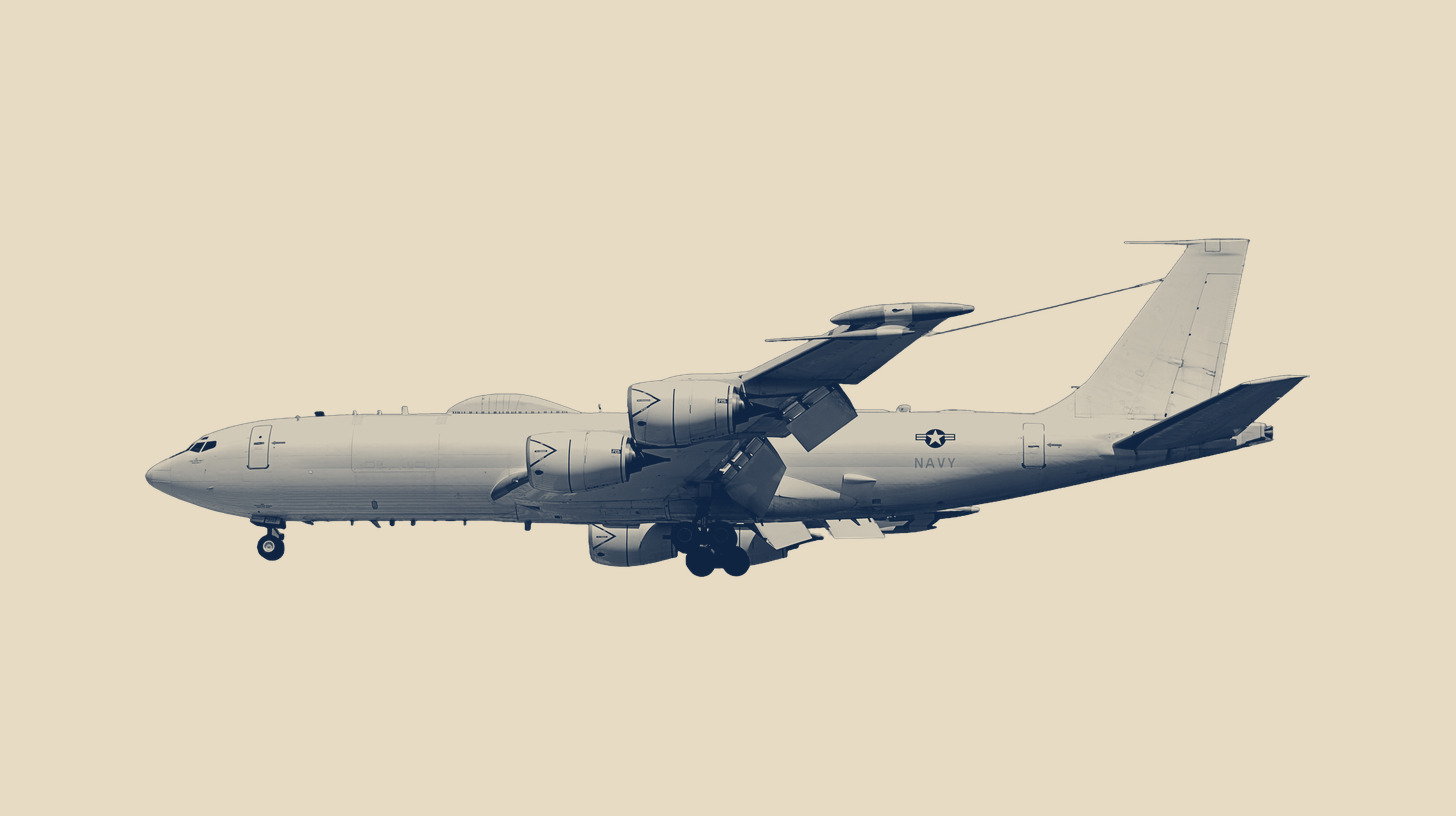
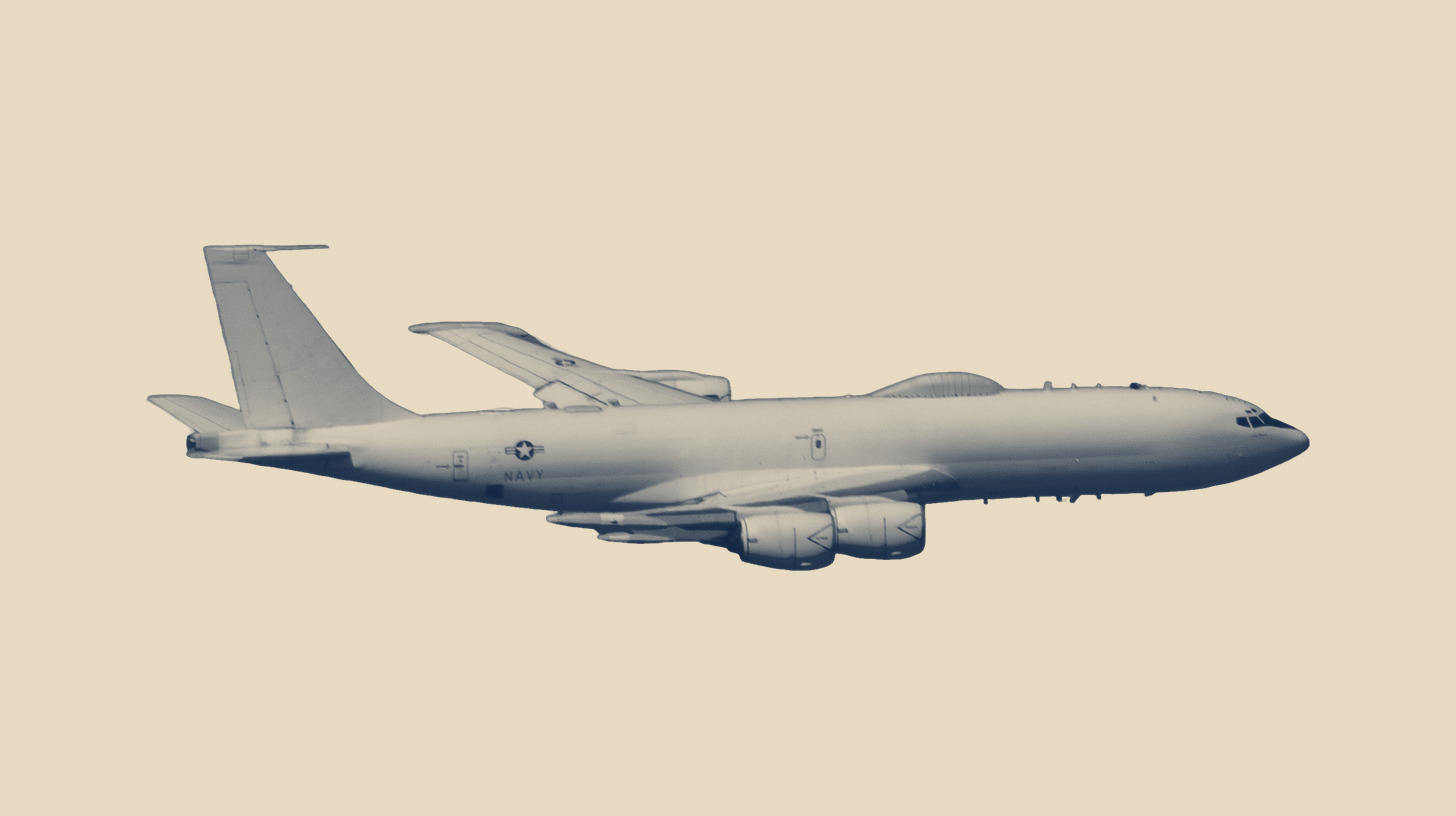
- The Navy plans to procure 31 total aircraft: 6 pre-production and 25 production models, replacing the current fleet of 16 E-6B Mercury platforms.
- The E-6B fleet, based on Boeing 707 airframes, is more than 30 years old and provides Very Low Frequency communications to submerged ballistic missile submarines.
Why it matters
- E-130J fielding doubles strategic nuclear communications capacity, strengthening the nation's nuclear command and control architecture resilience and operational reach.
- The replacement addresses critical aging of the E-6B platform, reducing operational risk to submarine force command links and strategic deterrence messaging.
- C-130J-30 offers enhanced endurance and capacity compared to the legacy E-6B, enabling more persistent coverage of ballistic missile submarine operations.
- Mission systems integration challenges around space, weight, power and cooling constraints pose program risk and drove back the low-rate initial production decision by one year.
Going deeper
- The E-130J Phoenix II will not inherit the Air Force Airborne Command Post capability for nuclear bomber and ICBM communications, prompting congressional concerns.
- The Air Force's new E-4C Survivable Airborne Operations Centre may assume nuclear bomber communications, but acquisition strategy details remain unconfirmed.
- Mission systems contractors have modified existing TACAMO equipment to reduce weight and meet C-130J-30 integration constraints, addressing Government Accountability Office program risk findings.
- The C-130J platform replaces the previous Hercules variant EC-130Q, continuing a legacy of Hercules-based strategic communications aircraft for naval operations.
Financial impact
- Lockheed Martin will recognize revenue from airframe production and delivery as each C-130J-30 unit is accepted by the Navy across the pre-production and production phases.
- Northrop Grumman and Collins Aerospace will record revenue for mission systems integration and Very Low Frequency subsystem work during aircraft conversion and fielding periods.
- The 31-aircraft total represents sustained production and integration work spanning multiple fiscal years; detailed obligated funds and ceiling value were not disclosed.
- Timing of production aircraft revenue recognition depends on the Navy's pace of low-rate initial production, which was delayed approximately one year from prior plans.
The intrigue
- Congressional concerns about loss of Airborne Command Post capability for nuclear bombers and ICBMs remain unresolved despite FY2026 NDAA requests for Air Force acquisition strategy.
- Operational availability requirements and mission systems integration challenges created tangible program risks that may affect production ramp and total program cost.
- The Navy's decision to procure 25 production aircraft (up from earlier lower estimates) suggests confidence in the design, but low-rate initial production timing and maturity remain sensitive.
The fine print
- The contract amount is undisclosed; obligated funds and ceiling value for the full 31-aircraft program have not been released.
- Mission systems integration is led by Northrop Grumman with Collins Aerospace as a key subcontractor; final cost and schedule remain subject to SWaP-C constraint resolution.
- The low-rate initial production decision was delayed approximately one year, indicating technical maturity and integration risk management remain ongoing.
Source: theaviationist.com · Oct 16, 2026 · Drafted with Claude, reviewed by Industrial Base Alpha.