Mentioned:CHAOS Industries
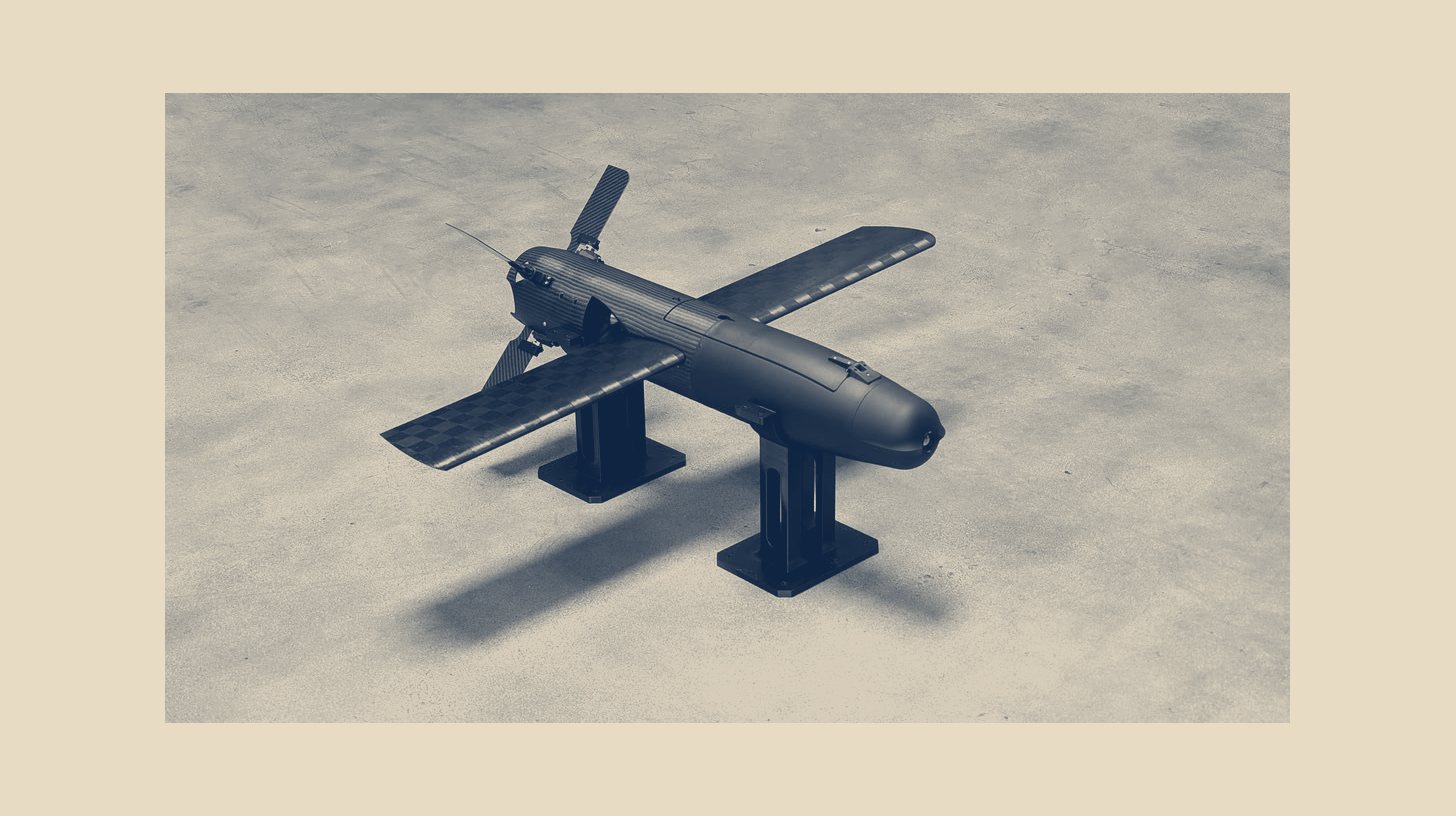
CHAOS Industries unveiled VESPID, a family of autonomous counter-drone interceptors designed to manufacture 12,000 units annually at costs 90% lower than conventional solid-rocket and turbojet systems. The electric-powered interceptor integrates commercial drone electronics and AI-enabled targeting to address DoD requirements for affordable, high-volume counter-UAS capability.
What's happening
- CHAOS Industries announced VESPID, comprising the man-portable Mk 0 and faster Mk 1 multitube variant, both designed for Groups 1-3 unmanned aircraft defense.
- The interceptor weighs under 12 pounds, launches in under 5 seconds, engages targets to 10 kilometers in under 100 seconds, and destroys targets through direct impact without explosive warheads.
- VESPID uses electric ducted fan propulsion, commercial off-the-shelf drone electronics, and AI-enabled long-wave infrared targeting with direct-to-radar datalink guidance.
- CHAOS plans initial production of 12,000 interceptors annually with manufacturing architecture designed to scale to 50,000 units as demand grows.
Why it matters
- The 90% cost reduction compared to conventional systems addresses DoD need for affordable counter-UAS capable of sustaining protection against repeated drone attacks at scale.
- High-volume production capacity of 12,000-50,000 units annually enables broad fielding and replacement of interceptors consumed in operations rather than requiring years-long development cycles.
- Integration with existing sensors, command systems, launch platforms and CHAOS NEXUS coordination system allows rapid deployment across allied force structures without platform redesign.
- Simplified assembly requiring no special tools and reliance on commercial components reduce supply chain complexity and manufacturing bottlenecks for sustained production.
Going deeper
- The Mk 0 assembles in under 1 minute and launches vertically from ground or truck bed after removing battery and wings for transport, enabling rapid deployment.
- The Mk 1 uses pyrotechnic launch cartridge from tubular launcher with 10-round trainable configuration providing 150 meters-per-second engagement velocity or over 300 miles per hour.
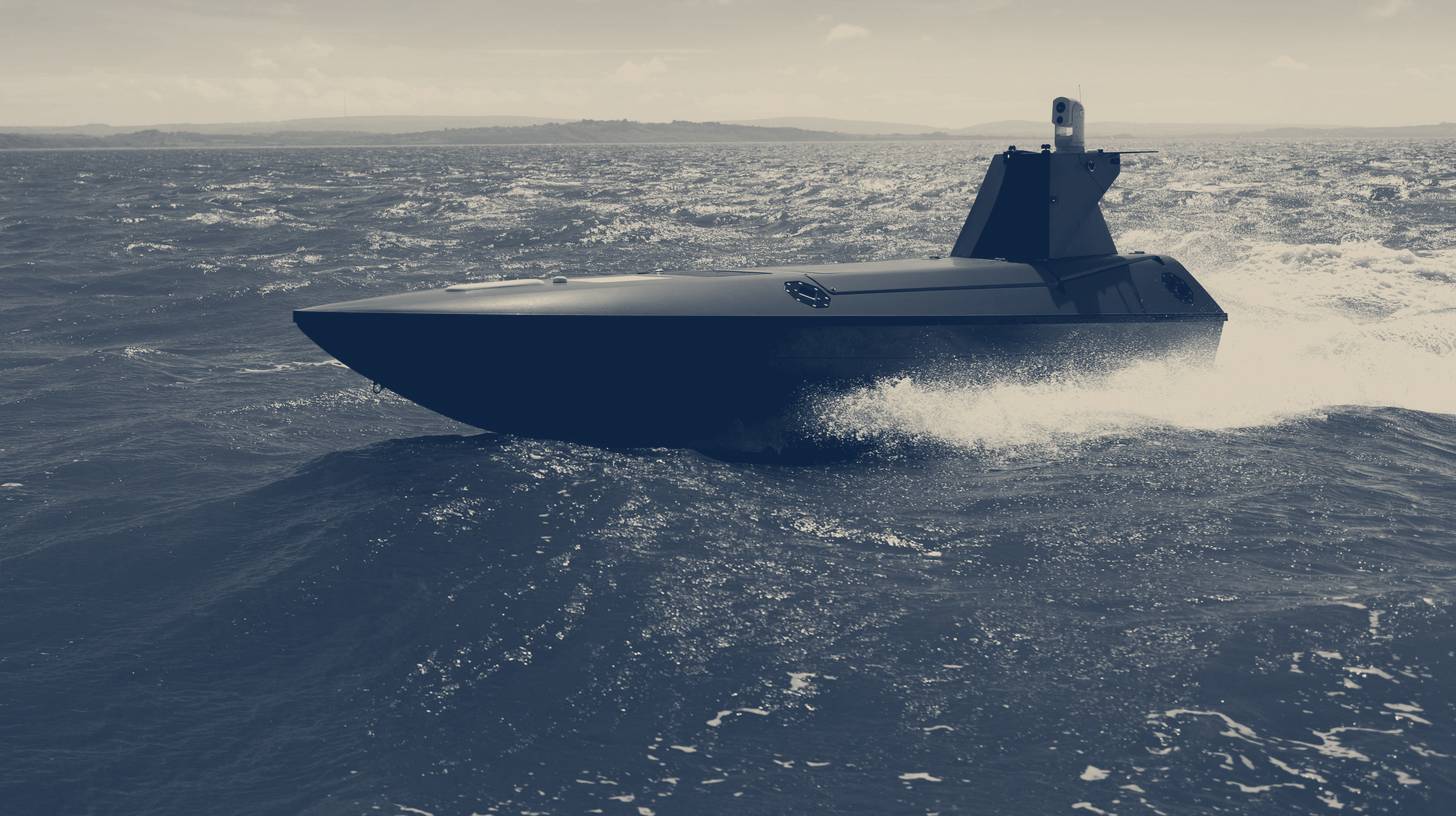
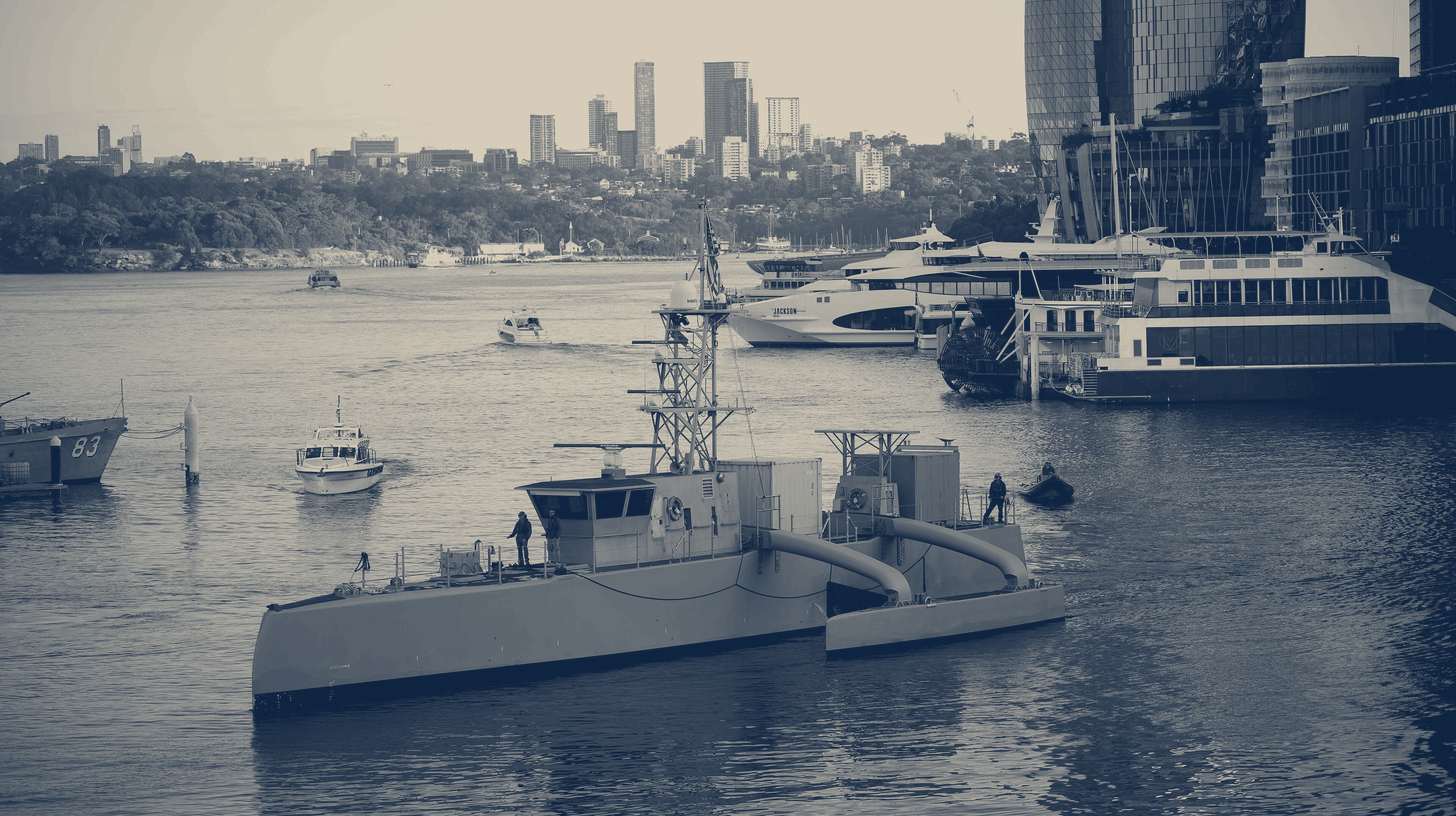
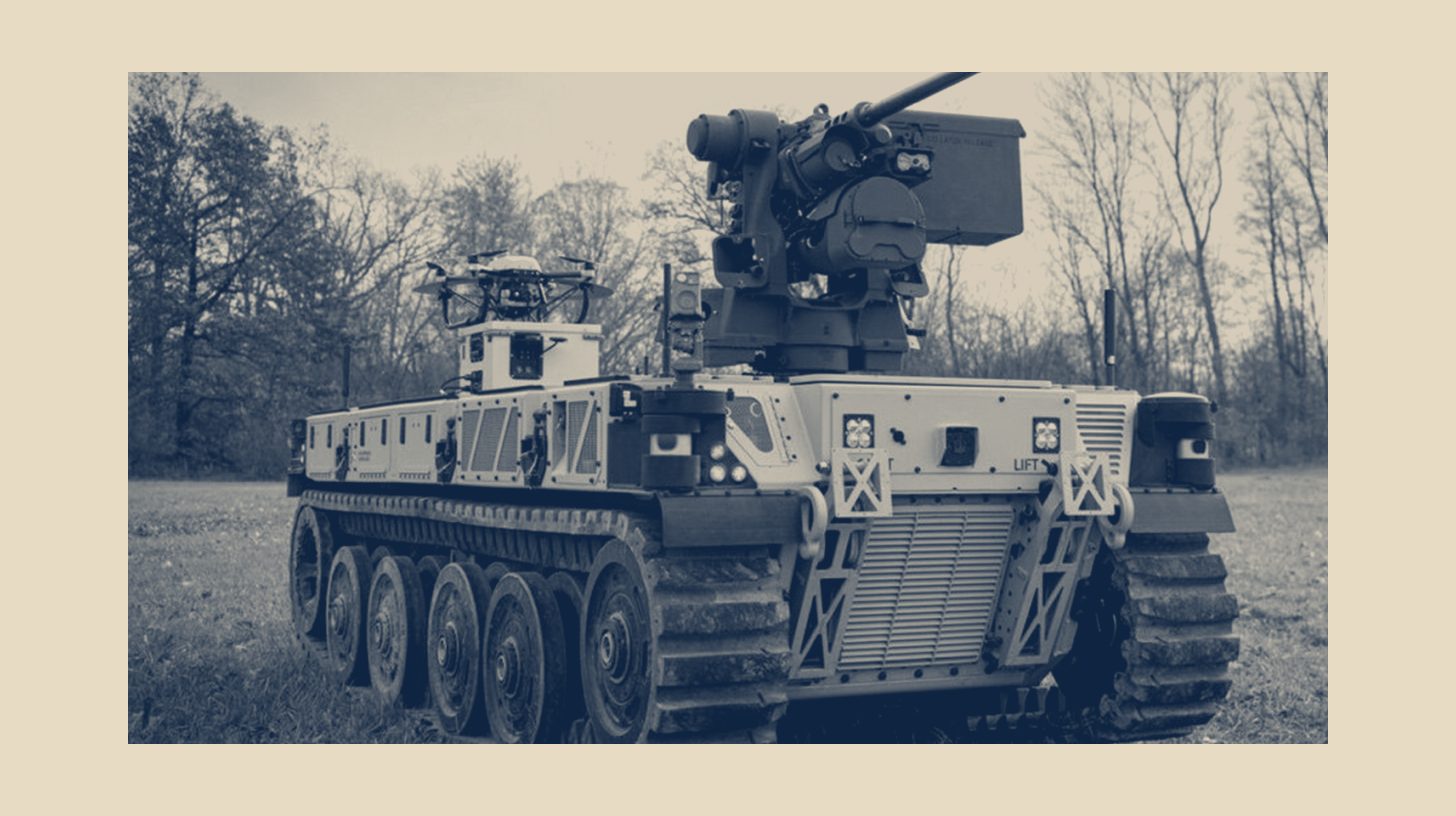
- A planned container-based variant carrying over 100 interceptors in a 20-foot ISO container integrates with uncrewed ground or surface vehicles for organic counter-UAS platforms.
- Engagement requires no operator input after launch and does not depend on GPS, reducing dependence on contested communications and navigation infrastructure.
Financial impact
- CHAOS has not disclosed unit pricing but emphasized affordability as operational advantage to sustain protection against repeated drone attacks with replaceable interceptors.
- The manufacturing architecture supports expansion from 12,000 to 50,000 units annually, creating scaling path for revenue growth contingent on customer adoption and program awards.
- Founded in 2022, CHAOS raised $1 billion from investors including 8VC, Accel and Valor Equity Partners with timing not disclosed.
The intrigue
- CHAOS announced VESPID on October 12, 2026 and scheduled Mk 1's first public display at AUSA 2026, suggesting timing between announcement and major defense conference may influence early customer engagement.
- Unit price remains undisclosed despite 90% cost reduction claim, leaving ambiguity around actual affordability and total program cost compared to conventional systems.
The fine print
- Production target of 12,000 annually represents initial planned rate, not committed DoD order or contractual obligation.
- Scaling to 50,000 units depends on customer demand growth and market adoption, with no disclosed agreements securing that volume.
- VESPID performance specifications including range, speed and weight are company-stated figures pending independent validation and operational testing.
Source: defence-industry.eu · Oct 16, 2026 · Drafted with Claude, reviewed by Industrial Base Alpha.