Mentioned:Georgia Tech Research Institute$33M · Contract Award
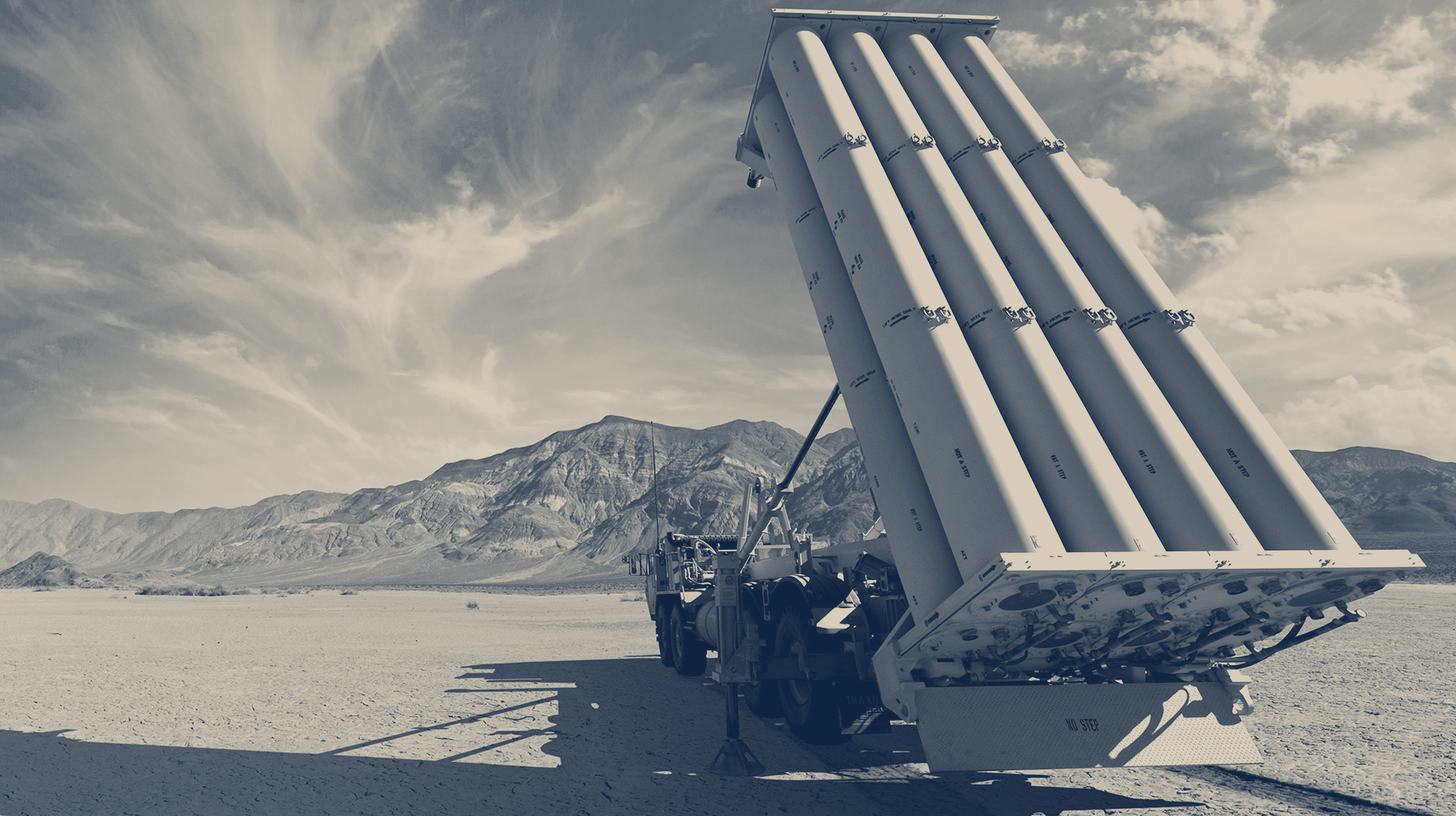
The Army awarded Georgia Tech Research Institute up to $33.4 million to serve as weapons systems integrator for the medium variant of the Common Autonomous Multi-Domain Launcher (CAML), a next-generation autonomous cross-domain launcher designed to replace the oversized Typhon system.
What's happening
- Georgia Tech Research Institute received $33.4 million as the weapons systems integrator for CAML medium variant in an Other Transaction Agreement awarded in August 2026.
- The Army is adding a light variant in partnership with Australia, with industry selections expected in March-April 2026 and potential live-fire demonstrations in June or July.
- Munitions palette provider and autonomous platform provider for the medium program should receive awards within 30 days of announcement.
- The Army plans to develop a heavy variant beginning in 2028-2029, targeting a portfolio of no more than 3 distinct launcher variants across all capability requirements.
Why it matters
- CAML addresses a critical gap in Army fires capability by replacing Typhon, which proved too large for battlefield deployment, directly affecting mid-range strike capacity.
- The multi-variant strategy with multiple vendors per variant prevents sole-source manufacturing constraints and reduces supply chain vulnerability across the Fires portfolio.
- Autonomous, optionally crewed design enables high mobility and air transportability, expanding deployment flexibility beyond current launcher platforms.
- Australian partnership extends allied interoperability and industrial participation, potentially securing transatlantic munitions production capacity.
Going deeper
- Georgia Tech serves as prime integrator for medium variant while the Army separately selects munitions suppliers and autonomous platform providers, creating a multi-prime structure.
- The light variant sprint responds to specific Australian military capability gaps, suggesting tailored requirements outside the Army's original medium-heavy roadmap.
- The 2028-2029 timeline for heavy variant reflects a phased portfolio approach, allowing operational learning from medium variant prototypes before scaling upward.
Financial impact
- Georgia Tech recognizes $33.4 million obligated value as revenue under the Other Transaction Agreement awarded August 2026, with performance period tied to weapons system integration milestones.
- Contract structure as Other Transaction Agreement allows non-traditional vendor participation and potential cost-plus or fixed-price variant pricing not yet disclosed.
- Timing not disclosed for when munitions palette and autonomous platform awards convert to revenue recognition or obligated funds.
The intrigue
- The addition of a light variant after the Army previously committed only to medium and heavy variants suggests allied pressure or emerging operational requirements not fully explained in public statements.
- The explicit emphasis on avoiding sole-source vendors implies past manufacturing constraint experiences with Typhon or other launcher programs that are driving procurement strategy change.
The fine print
- Georgia Tech's $33.4 million is a ceiling value; actual obligated funds and down-select criteria are not disclosed.
- Munitions supplier and autonomous platform provider awards are expected within 30 days but have not been announced; final vendor selection remains pending.
- Australian role in light variant partnership and cost-sharing arrangement are not disclosed.
- Live-fire demonstration timing for light variant (June-July 2026) is described as potential, contingent on RFI response and early selections.
Source: Breaking Defense · Oct 15, 2026 · Drafted with Claude, reviewed by Industrial Base Alpha.