Mentioned:Zipline$20B · Public Markets
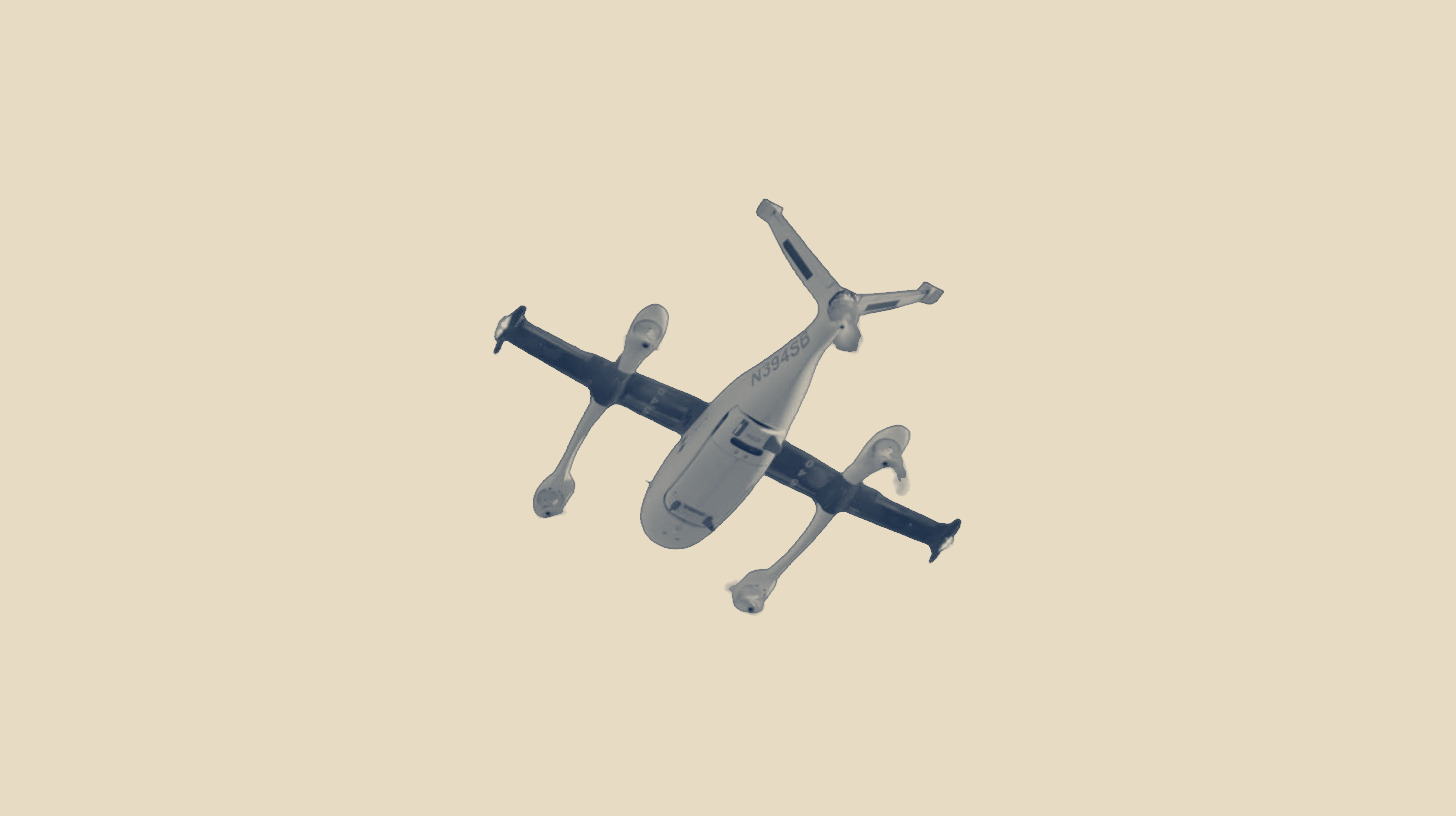
Zipline is seeking a $20 billion valuation while expanding its autonomous drone delivery network across Africa. The company has completed more than 3 million deliveries in Rwanda over 10 years and secured an 8-year partnership with Côte d'Ivoire's health ministry covering 10 hubs serving 12 million people.
What's happening
- Zipline completed its first delivery in Rwanda on October 16, 2016, and now operates the world's first national drone delivery system with 3M+ completed flights.
- The company secured an 8-year public-private partnership with Côte d'Ivoire's health ministry to establish 10 hubs serving 12 million people across the country.
- US State Department funding of up to $150 million across five African nations is supporting hub construction, with Côte d'Ivoire's government funding operating costs.
Why it matters
- Peer-reviewed research documents a 51% reduction in hospital deaths from postpartum hemorrhage at Zipline-served facilities in Rwanda, demonstrating supply-chain impact on critical medical outcomes.
- The Côte d'Ivoire deal represents Zipline's model shift from project-based aid to long-term logistics contracts with sovereign health ministries, establishing sustainable revenue pathways.
- Autonomous drone delivery addresses last-mile medical logistics in regions where traditional supply chains cannot reliably reach remote hospitals within hours.
Going deeper
- Rwanda's health system cut red blood cell inventory by 63% at Zipline-served hospitals because resupply now arrives by drone within 40 minutes instead of over 2 hours.
- A peer-reviewed study in Manufacturing and Service Operations Management also documented a 30% reduction in in-hospital deaths among trauma patients at drone-served hospitals.
Financial impact
- Zipline is seeking $20 billion valuation, timing not disclosed, with the company positioned to recognize recurring revenue from the 8-year Côte d'Ivoire contract beginning upon hub operational activation.
- US State Department grants of up to $150 million offset initial infrastructure capex across five African nations, reducing Zipline's upfront capital requirement for expansion.
The intrigue
- CEO Keller Rinaudo Cliffton stated Zipline currently serves fewer than 1 percent of the global population, yet the company is seeking a $20 billion valuation based on ambitions to reach 1 billion people within the next decade.
- The company's marketing materials initially cited an 88 percent reduction in maternal mortality in Rwanda, but the published peer-reviewed study documents 51 percent reduction in in-hospital deaths from postpartum hemorrhage specifically.
The fine print
- The 51 percent mortality reduction applies to in-hospital deaths from postpartum hemorrhage at Zipline-serviced hospitals in Rwanda, not broader maternal mortality across the country.
- The $150 million US State Department award is stated as funding available across five African nations, not a single allocation to Côte d'Ivoire.
- Zipline's valuation target of $20 billion is what the company is seeking; completion of funding and terms remain undisclosed.
Source: dronexl.co · Oct 16, 2026 · Drafted with Claude, reviewed by Industrial Base Alpha.